

The Story Behind Every Sweet Craving
When I first learned I was prediabetic, the diagnosis felt like a plot twist I hadn’t rehearsed for. Instead of seeing it as a medical label, I began to ask what story my body was trying to tell each time I reached for a cookie or a soda. Each craving carries a sub‑text—stress from a demanding project, a memory of comfort food after a tough day, or even a subconscious response to a social cue. By listening to these narratives rather than merely counting carbs, I discovered a richer map of triggers that numbers alone could never reveal. This perspective turned the abstract risk of prediabetes into a tangible conversation with myself, allowing me to rewrite the script one bite at a time.
Why Narrative Beats Numbers in Blood‑Sugar Management
Most health advice floods us with charts, percentages, and target ranges, which are essential but can feel cold and impersonal. I found that weaving personal anecdotes into my daily routine made the data stick. When I paired a glucose reading with a short journal entry about my mood, setting, and what I ate, patterns emerged that raw data missed. For example, a spike that coincided with a heated Zoom call signaled emotional spillover, not just carbohydrate load. This narrative‑first approach empowers you to see your body as a co‑author, not a passive recipient of medical directives, and encourages proactive adjustments that feel meaningful rather than punitive.
Creating a Community Narrative Circle
Stories thrive in groups, and I quickly realized that sharing my sugar‑related anecdotes with a small, supportive circle amplified accountability. I invited three friends—each with their own health goals—to meet weekly for a “story swap” over tea. We each recounted a moment when a craving led us astray, then brainstormed a collective alternative narrative. The group dynamic turned solitary struggles into shared victories, and the laughter that followed softened the seriousness of prediabetes. Over time, the circle became a living repository of strategies, from swapping a midday donut for a walk in the park to using humor to defuse stress‑induced snacking. This communal storytelling not only reduced isolation but also built a reservoir of real‑world solutions you can draw from whenever you feel vulnerable.
Embedding Storytelling Into Everyday Routines
Integrating narrative reflection into daily habits doesn’t require a journal on the nightstand; it can happen in the moments you’re already living. I set a simple cue: whenever I poured a glass of water, I whispered a brief line about what I hoped to feel after my next meal—calm, satisfied, energized. This tiny verbal promise anchored my intention and made the upcoming food choice feel purposeful. Another trick is to rename a habit; instead of “snacking on chips,” I call it “fueling my creative brainstorm.” By reframing the language, the brain registers a shift in purpose, often reducing the impulse. These micro‑adjustments, repeated consistently, accumulate into a powerful narrative that guides behavior without the heaviness of strict dieting.
Nature, Breath, and the Story of Balance
One of the most unexpected allies in my storytelling journey has been the outdoors. A regular forest bathing walk provides a quiet backdrop where I can replay the day’s food‑related stories and edit them with fresh perspective. The rustling leaves become a metaphor for letting go of old cravings, while the steady rhythm of my steps mirrors the cadence I aim for in my blood‑sugar levels. Pairing this with mindful breathwork for balanced blood sugar deepens the effect; each inhalation invites calm, each exhalation releases the tension that often fuels sugary urges. Together, nature and breath act as narrative editors, helping you rewrite the script toward steadier glucose and greater peace.
Simple Breathwork Exercise to Reset Cravings
Try the “4‑7‑8 reset” when a craving spikes: inhale through the nose for four counts, hold for seven, then exhale slowly for eight. While you breathe, visualize the craving as a cloud passing overhead, noting its shape and color before letting it drift away. This brief pause creates a mental gap where you can choose a healthier response, turning a reactive impulse into a conscious decision. Practicing this during a midday break or before dinner can become a ritual that strengthens your narrative control over food.
Measuring Progress With Stories, Not Just Scales
Traditional metrics—weight, HbA1c, fasting glucose—remain important, but they can feel discouraging when progress stalls. I supplement them with story milestones: “I navigated a stressful meeting without reaching for a candy bar” or “I turned a family dinner into a shared cooking adventure.” These qualitative wins reinforce the belief that change is happening, even if the numbers lag temporarily. Over weeks, I compile a “story log” that charts these moments alongside lab results, creating a dual‑track record that honors both physiological and psychological growth.
Turning Setbacks Into Plot Twists
Even the best‑written narratives contain conflict, and prediabetes is no exception. When a slip‑up occurs—perhaps a late‑night pizza—I treat it as a plot twist rather than a failure. I ask myself what led to that scene: was I exhausted, overwhelmed, or simply bored? By identifying the underlying cause, I can rewrite the next chapter with a better plan—like prepping a veggie‑laden snack for future late hours. This approach removes shame and replaces it with curiosity, keeping the momentum alive and the story moving forward.
Sustaining the Narrative for Long‑Term Health
As the story of my prediabetes evolves, I keep it fresh by introducing new characters and settings. I invite my partner to join a weekend farmers’ market adventure, turning grocery shopping into a collaborative quest for colorful, low‑glycemic foods. I also experiment with themed cooking nights—Mediterranean, plant‑forward, spice‑rich—so meals become chapters rather than chores. By continuously expanding the plot, I maintain excitement and avoid the stagnation that often leads to relapse. The key is to view health as an ever‑unfolding story, one where you hold the pen and can always add a surprising, empowering twist.

Deb Roberts is a freelancer who writes on various subjects, bringing versatility and depth to her work. Alongside her broad writing expertise, she has a special passion for horses.
Related Posts
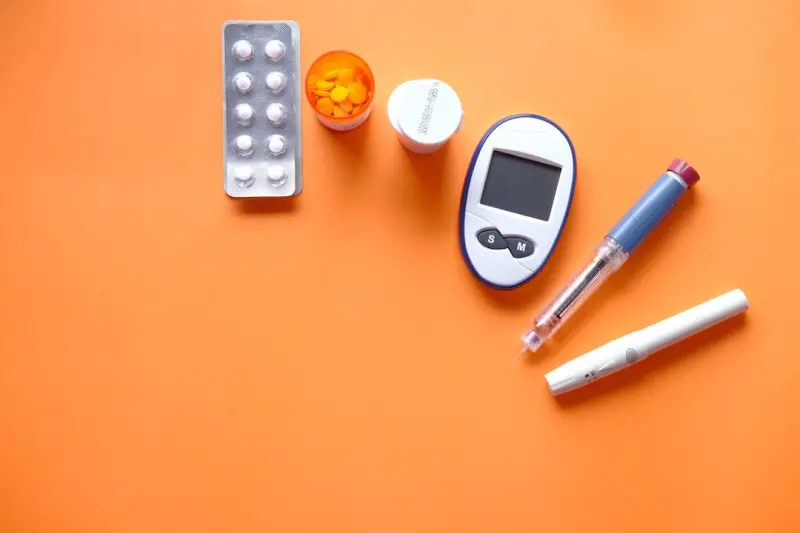
Why Small Lifestyle Tweaks Can Stop Prediabetes in Its Tracks
Prediabetes feels inevitable, but tiny adjustments to diet, movement, and daily routines can flip th... Read More

How Community Rituals Can Turn the Tide on Prediabetes
Learn how everyday community rituals—from group walks to shared meal planning—can dramatically i... Read More
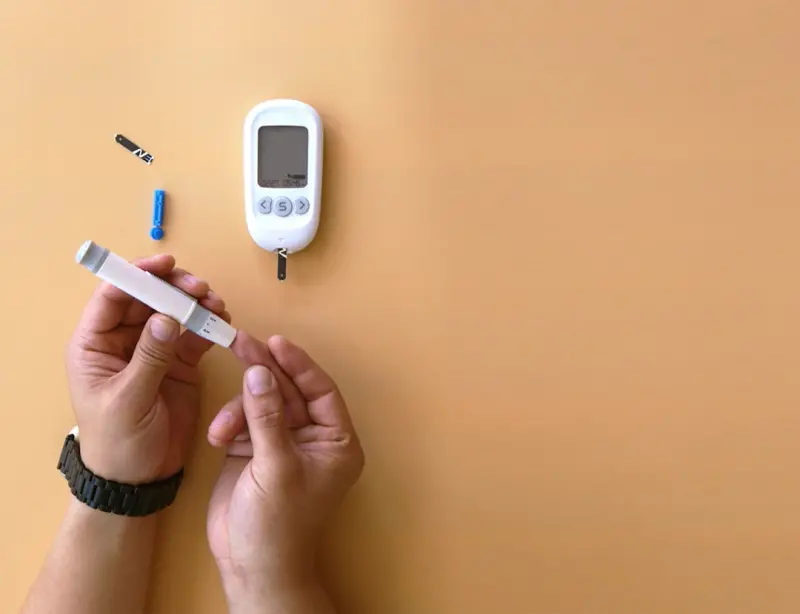
Prediabetes: Turning Early Signals into Personal Growth
A practical guide shows how prediabetes can be a catalyst for personal health growth, leveraging dat... Read More
Top Posts

The Hidden Power of Lymphatic Flow: A New Frontier in Body Detox
A deep dive into the lymphatic system reveals simple, evidence‑backed practices—like rebounding, diaphragmatic breathing, and fermented foods—that turn yo...Read More
Unlocking the Liver’s Hidden Potential: A Practical Guide for High‑Performers
A deep dive into liver health that blends nutrition, fasting, movement, stress reduction, and tech‑driven tracking, offering busy professionals a roadmap to s...Read More

Reimagining Health Insurance as a Proactive Wellness Partner
Health insurance can be more than a safety net. By rewarding preventive care, leveraging data, and offering flexible options for gig workers, insurers and emplo...Read More

Whole‑Self Wellness: My 2026 Blueprint for Vibrant Health
A personal 2026 guide to Whole‑Self Wellness, blending detox, brain health, stable blood sugar, movement, sleep, and community for lasting vitality....Read More
0 Comments
Post Comment
You will need to Login or Register to comment on this post!