
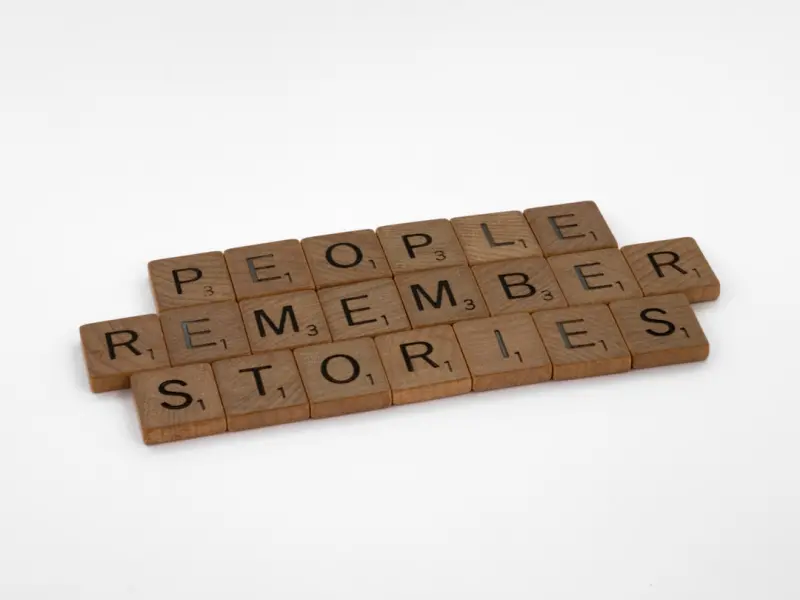
Why a Personal Narrative Can Be Your Secret Weapon Against Prediabetes
When I first learned I was walking the fine line between normal glucose levels and full‑blown diabetes, the flood of medical jargon felt like a script written in a language I didn’t speak. Lab reports, A1C numbers, carbohydrate counts – they all painted a picture of risk, but none of them answered the most human question: how does this fit into my life?
That’s where storytelling steps in. Not the bedtime tales we shared as kids, but a deliberate, data‑driven narrative that we author ourselves. By weaving numbers, emotions, and everyday moments into a coherent story, we transform abstract risk into a tangible adventure we can influence.
The Science of Narrative Medicine
Researchers have shown that when patients frame their health journey as a story, they engage the brain’s default mode network, a region involved in self‑reflection and future planning. This activation improves adherence to lifestyle changes because the brain treats the story like a personal mission rather than a set of external commands.
In practice, this means moving beyond “eat less carbs” and asking: What does “less carbs” look like in the chapters of my day? Who are the supporting characters? Which scenes are the plot twists that keep you on your toes?
Step 1: Map Your Baseline as the Opening Scene
Every good novel begins with a clear setting. For a prediabetes narrative, the setting is your current metabolic landscape. Start by gathering three core data points:
- Fasting glucose – your baseline blood sugar after an overnight fast.
- Post‑meal spikes – the peaks you see 1–2 hours after eating.
- Physical activity log – not just “gym days” but walks, stairs, and even the minutes you spend shifting in a chair.
Instead of logging these in a sterile spreadsheet, plot them on a simple timeline graphic. Use colors that mean something to you: red for spikes, green for steady zones, blue for active periods. This visual becomes the “cover page” of your story, giving you an immediate sense of where the plot begins.
Step 2: Identify Your Protagonist (That’s You)
In any narrative, the hero has strengths, flaws, and a unique voice. Write a brief “character sketch” that answers:
- What are my favorite foods, and why do they matter to me?
- Which daily routines give me energy, and which drain it?
- What emotional triggers tend to push me toward comfort eating?
This self‑portrait helps you anticipate the “villains” (stress, late‑night snacking) and enlist “allies” (a supportive coworker, a favorite walking trail).
Step 3: Draft the Plot – Small Acts, Big Arcs
Stories thrive on conflict and resolution. For prediabetes, the conflict is the push‑pull between glucose spikes and your desire for stability. Design micro‑goals that serve as plot points. Examples:
- Swap one sugary beverage for sparkling water each week.
- Introduce a 10‑minute “movement break” after lunch on three days.
- Replace a processed snack with a handful of nuts and a piece of fruit.
Each micro‑goal should be specific, measurable, and time‑bound – the classic SMART framework – but also framed as a narrative beat: “Chapter 3: The Sweet Swap.” As you achieve these beats, you’ll naturally feel a sense of progression.
Step 4: Bring in Supporting Characters
Even the most solitary heroes need allies. Reach out to friends, family, or coworkers who can act as accountability partners. Share your story in a group chat or a private forum where each member posts weekly “story updates.” The communal aspect adds a layer of social storytelling that research shows boosts long‑term adherence.
If you work from home, consider turning your home office into a stage for movement‑rich interludes. A quick set of stretches between meetings becomes a scene where your character demonstrates resilience.
Step 5: Use Sensory Details – Make the Story Feel Real
Great fiction is vivid. Apply that to your health journey by noting not just what you ate, but how it tasted, smelled, and felt. Did a crunchy apple give you a satisfying snap that lingered beyond the bite? Did a leafy salad make you feel lighter? These sensory anchors create emotional memory, making healthier choices more rewarding.
Similarly, record how you felt after a walk – the breeze on your skin, the rhythm of your breath. Over time, these details become positive associations that outweigh the fleeting comfort of a sugary snack.
Step 6: Introduce the “Twist” – Unexpected Experiments
Every compelling story includes a twist that forces the hero to adapt. In the context of prediabetes, a twist could be a new cooking method, an unexpected community event, or a technology tool that reframes data.
For instance, you might experiment with a “color‑coded plate” system where half the plate is green (non‑starchy veg), a quarter is protein (lean meat or beans), and the remaining quarter is a carefully measured carb. The visual cue acts as a narrative device that reshapes how you view each meal.
Or, consider turning your glucose data into a simple game: each day you aim to keep your post‑meal spike under a chosen threshold, earning “points” you can redeem for a non‑food reward (a new book, a movie night).
Step 7: Reflect and Revise – The Editing Process
Just as authors revise drafts, you’ll need to revisit your story regularly. Schedule a monthly “editing session” where you:
- Review your timeline graphics for trends.
- Assess which micro‑goals felt natural and which felt forced.
- Adjust the narrative arc – perhaps adding a new ally or redefining a villain.
Reflection is not a critique; it’s a creative act that keeps the story alive and evolving.
Step 8: Celebrate the Chapter Ends
Milestones deserve applause. When you hit a three‑month streak of stable glucose, treat yourself with a non‑food celebration: a day trip, a new hobby, or even a “story‑telling night” where you share your journey with friends.
These celebrations reinforce the narrative loop: effort leads to achievement, which fuels motivation for the next chapter.
Integrating Nutrition Storytelling
Food is the most tangible element of your prediabetes narrative. By approaching meals as scenes rather than obligations, you can make nutrition both educational and enjoyable.
Check out Playful Nutrition for a deeper dive into turning meals into learning experiences. The idea is to design dishes that teach your body how to respond—think of a “fiber‑rich cameo” that slows glucose absorption, or a “protein pivot” that stabilizes energy levels.
When you think of a plate as a storyboard, you naturally gravitate toward balance. The narrative approach also helps you anticipate cravings as “plot devices” that can be redirected.
Technology as a Narrative Tool (Not a Distraction)
While many articles focus on the pitfalls of digital overload, technology can be a powerful narrative ally when used intentionally. A simple spreadsheet or a free app can serve as a “story log,” capturing data points that you later weave into your timeline graphic.
For those who enjoy visual storytelling, consider a photo diary of meals. Snap a picture, add a caption describing taste, mood, and glucose response. Over weeks, you’ll have a visual novel of your dietary evolution.
Community Storytelling Platforms
Online forums and private groups provide a stage for sharing chapters of your journey. By posting updates, you not only receive feedback but also inspire others. This reciprocal storytelling creates a culture of collective accountability, turning individual health into a shared narrative.
Final Thoughts: Your Story, Your Power
Prediabetes isn’t a static label; it’s a dynamic storyline waiting for you to author the next chapters. By framing your health journey as a narrative, you give yourself agency, context, and emotional resonance that data alone can’t provide. The tools are simple: a timeline, a character sketch, micro‑goals, allies, and a willingness to edit.
Start today by drawing the first page of your glucose timeline. Sketch the hero (you). Add the first micro‑goal as a plot point. And remember – every great story includes setbacks, but it’s the resilient rewrite that defines the ending.
When you view each glucose reading, each meal, and each movement as part of an unfolding story, you’ll find yourself not just managing prediabetes, but actively rewriting its narrative toward health and vitality.

Tom Ferguson is a Canadian freelance writer with a passion for storytelling, current events, and thoughtful commentary. Drawing on years of writing experience, he shares engaging insights on a wide range of topics, bringing a uniquely Canadian perspective to his work.
Related Posts
Prediabetes as a Strategic KPI: Turning Early Risk into Competitive Advantage
Treating prediabetes as a strategic KPI transforms it from a health warning into an actionable perfo... Read More

Rethinking Prediabetes: From Warning Sign to Lifestyle Pivot
Prediabetes isn’t a permanent label but a dynamic signal. This post offers a holistic, adaptive li... Read More

Micro‑Habits & AI: A Fresh Playbook to Outsmart Prediabetes
Learn how to build a digital habit stack that turns real‑time glucose data into automatic micro‑... Read More
Top Posts

Seasonal Body Detox: Reset with Nature’s Rhythm
A fresh take on detox that aligns with the seasons, using nature’s cues, whole foods, and simple rituals to support lasting body renewal....Read More
Managing Blood Sugar Levels: A Holistic Approach to Wellness
Learn how to manage blood sugar levels through a holistic approach, incorporating nutrition, physical activity, stress management, and mind-body therapies for o...Read More
How Skin-to-Skin Contact Shapes Your Baby’s Immune System
Skin‑to‑skin contact, often called kangaroo care, does more than soothe; it transfers beneficial microbes, supports the gut‑liver axis, and strengthens a ...Read More

How a Resilient Liver Fuels Modern Professional Stamina
A strong liver is the hidden powerhouse behind steady energy and mental clarity. Learn practical nutrition, fasting, and lifestyle strategies to support liver f...Read More
0 Comments
Post Comment
You will need to Login or Register to comment on this post!