
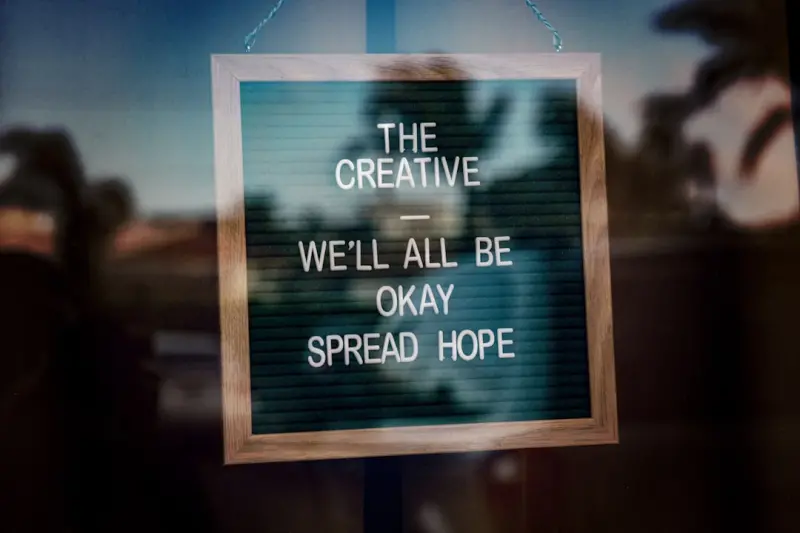
Why Creativity Can Be a Secret Weapon in Autoimmune Wellness
Living with an autoimmune condition often feels like being caught in a relentless tug‑of‑war between your body’s defenses and its own tissues. Medications, diet tweaks, and medical appointments quickly become the headline of daily life. Yet, tucked away in the margins of conventional treatment plans is a surprisingly powerful ally: creative expression.
When I first learned that my own immune system could be “tricked” into attacking healthy cells, I threw myself into the science—research papers, labs, and clinical guidelines. Over time, I realized that the narrative around autoimmunity was missing a human element that I’d been practicing for years: the act of creating something new, whether it’s a painting, a poem, or a melody. This isn’t a fluffy “feel‑good” add‑on; it’s a neuro‑immunological bridge that can modulate inflammation, improve mood, and even reshape the way the brain talks to the immune system.
Neuro‑Immunology 101: How the Brain Talks to Your Immune System
Before diving into the how‑to, let’s unpack a bit of the science. The nervous system and the immune system are in constant dialogue, exchanging signals through hormones, cytokines, and even direct nerve pathways. When stress spikes, the hypothalamic‑pituitary‑adrenal (HPA) axis releases cortisol—a hormone that, in short bursts, can dampen inflammation. Prolonged stress, however, dysregulates this axis, leading to chronic inflammation, which is a hallmark of many autoimmune diseases.
Creative activities tap directly into this conversation. Engaging in art, music, or writing triggers the release of dopamine and endorphins, which not only boost mood but also have downstream effects on immune cells, nudging them toward a more regulated state. In fact, studies have shown that participants in regular art‑therapy programs exhibit reduced levels of the pro‑inflammatory cytokine IL‑6, a key player in rheumatoid arthritis, lupus, and multiple sclerosis flare‑ups.
From Canvas to Clinic: Practical Ways to Weave Creativity into Autoimmune Care
Integrating creativity doesn’t mean you need an art degree or a home studio. Below are actionable strategies that can fit into even the busiest schedules.
- Micro‑Sketch Sessions: Keep a small sketchbook beside your bed. Spend 5‑10 minutes each morning doodling whatever comes to mind. This simple ritual can shift the brain’s default mode network, reducing rumination and cortisol spikes.
- Lyric Journaling: Write short verses about your day’s experience—no need for perfect rhyme. Turning emotions into rhythm helps process pain and anxiety, lowering sympathetic nervous system activity.
- DIY Soundscapes: Use free apps to layer ambient sounds—rain, forest, city hum—while you work on a craft. The auditory backdrop can enhance parasympathetic activation, the body’s “rest‑and‑digest” mode.
- Collaborative Projects: Join a community art class, virtual songwriting circle, or a pottery group. Social connection, paired with creative output, multiplies the anti‑inflammatory benefits.
These practices are not stand‑alone cures, but they act as “soft medicine” that complements pharmacological treatments and lifestyle interventions.
Creative Flow and the Gut–Brain Axis
While we’re often told to focus on diet for autoimmune health, the gut–brain axis is a two‑way street. The microbes living in our intestines produce neurotransmitters—serotonin, GABA, and short‑chain fatty acids—that directly influence mood and immune regulation. Creative activities have been shown to alter gut microbiota composition indirectly by reducing stress‑induced dysbiosis.
One easy way to amplify this synergy is to pair creative sessions with gut‑friendly foods. For instance, sipping a warm kefir latte while you paint can support a thriving microbiome. If you’re curious about the role of specific foods, check out this deep dive on fermented foods and their impact on gut health. The calming ritual of preparing a probiotic‑rich snack can become a meditative prelude to your art practice.
Measuring the Impact: Biofeedback Meets Art Therapy
Quantifying the benefits of creativity might feel like chasing a phantom, but modern biofeedback tools make it tangible. Wearable heart‑rate variability (HRV) monitors can track autonomic nervous system balance before, during, and after a creative session. An increase in HRV typically signals reduced stress and improved parasympathetic tone.
If you’re new to biofeedback, start with a simple biofeedback blueprint that guides you through setting baseline measurements and interpreting trends. Over weeks, you’ll see how consistent creative practice can shift your physiological baseline toward a calmer, more resilient state—potentially translating into fewer flare‑ups.
Case Snapshots: Real‑World Stories of Creative Healing
Below are three anonymized snapshots from patients who integrated creative practices into their autoimmune management plans.
- Maria, 38, with Hashimoto’s Thyroiditis—She began a nightly habit of watercolor painting for 20 minutes before bed. Within three months, her thyroid‑stimulating hormone (TSH) levels dropped by 15%, and she reported a noticeable decline in brain fog.
- James, 45, living with Psoriasis—James joined a local drum circle. The rhythmic drumming lowered his perceived stress scores and, after six months, the psoriasis plaques on his elbows reduced in size and redness.
- Lena, 29, diagnosed with Multiple Sclerosis—Lena incorporated lyric writing into her physiotherapy routine. The expressive outlet helped her maintain a positive outlook, and her relapse rate decreased during the year she kept the practice.
These anecdotes are not meant to replace medical advice, but they illustrate a pattern: sustained creative engagement can be a catalyst for physiological improvement.
Designing a Personal Creative Wellness Plan
Creating a sustainable plan is about aligning your interests, schedule, and therapeutic goals. Follow these steps:
- Identify Your Creative “Love Language.” Do you gravitate toward visual art, music, writing, or movement? Choose the medium that feels most natural.
- Set Micro‑Goals. Begin with 5‑minute sessions, three times a week. Consistency trumps duration.
- Pair with a Health Metric. Use an HRV app, a sleep tracker, or a symptom diary to monitor changes.
- Schedule Check‑Ins. Every 4‑6 weeks, review your data. Adjust session length, time of day, or creative medium based on what yields the most benefit.
- Integrate Community. Share your work with a supportive group—online forums, local clubs, or a therapist‑guided art group. Social reinforcement enhances the anti‑inflammatory cascade.
Remember, the goal isn’t perfection; it’s intentional, regular activation of brain pathways that soothe the immune system.
Potential Pitfalls and How to Navigate Them
While creativity is broadly beneficial, there are nuances to consider:
- Performance Pressure. If you feel judged by your own standards, the activity can become stressful, negating its benefits. Keep the focus on process, not product.
- Physical Limitations. Joint pain or fatigue may limit certain activities. Opt for low‑impact options like digital illustration or spoken word.
- Over‑Stimulation. For conditions like migraine‑prone lupus, bright colors or loud music might trigger symptoms. Choose soothing palettes and gentle sounds.
Adapting the practice to your body’s signals is essential. If you notice an increase in flare‑ups after a session, pause, reflect, and perhaps switch the medium or environment.
Looking Ahead: The Future of Creative Immunology
Researchers are now exploring “creative immunotherapy” as an adjunct to conventional treatments. Pilot studies are investigating how structured art programs influence epigenetic markers linked to inflammation. While the field is nascent, the early data suggest that a systematic, evidence‑based approach to creativity could become a standard component of holistic autoimmune care.
Imagine a future where your rheumatologist not only prescribes medication but also recommends a personalized “creative prescription”—perhaps a weekly songwriting session calibrated to your HRV scores. The integration of art, technology, and immunology may soon blur the lines between clinic and studio.
Take the First Step Today
If you’ve read this far, you’re already primed for change. Pick up a pen, a paintbrush, a drumstick, or even a simple notebook. Set a timer for five minutes. Begin. The science is on your side, the body is responsive, and the canvas—whether literal or metaphorical—is waiting.
As you embark on this creative journey, remember that every stroke, lyric, or rhythm is not just an expression of self, but a conversation with your immune system, inviting it to listen, calm, and heal.

Kelly Reynolds is a dynamic freelance writer hailing from the picturesque landscapes of Alberta. A master of the written word, she juggles her passion for storytelling with the exhilarating chaos of being a mother to five spirited children. With an impressive portfolio that spans various genres, Kelly captivates readers through her engaging blog posts and thought-provoking articles.
Related Posts
Living with Autoimmune Disease: Turning Chaos into Data‑Driven Narrative
A practical guide that blends personal narrative, data tracking, digital health tools, and community... Read More
Conducting Your Autoimmune Health: The Power of Everyday Choices
A deep dive into how everyday habits—nutrition, sleep, stress handling, community, and technologyâ... Read More
Living Holistically with Autoimmune Disease: My Personal Roadmap
Tammy French shares her personal, holistic roadmap for managing autoimmune disease, from nutrition a... Read More
Top Posts

Pregnancy as the Ultimate Performance Upgrade: Data, Movement, and Mindset
This post explores treating pregnancy as a performance upgrade, using wearables, variable movement patterns, and data‑driven nutrition and mindset tools to bo...Read More

Silent Toxins in the Office: A Proactive Detox Blueprint for High‑Achievers
Discover a science‑backed detox framework that tackles indoor air pollutants, heavy metals, EMF, and stress‑induced toxin retention, giving high‑achievers...Read More
The Healing Power of Companionship: How Pets and Community Boost Senior Health
Companionship—through pets, community gardens, and intergenerational programs—offers powerful health benefits for seniors, from stronger immunity to enhance...Read More

The Unspoken Truth About Muscle Gain and Mental Health
Muscle gain and mental health are closely linked. Learn how to prioritize your mental wellbeing while working towards your fitness goals, and achieve a healthie...Read More
0 Comments
Post Comment
You will need to Login or Register to comment on this post!