
Why Seasonal Food Cycling Is the Missing Piece in Your Gut‑Health Strategy
When I first stepped into the world of performance‑focused wellness, the conversation revolved around macro‑nutrients, sleep hacks, and the ever‑present gut‑brain axis. Those are undeniably important, but I kept hearing the same refrain: “We’ve tried probiotics, prebiotics, and even targeted fermentables—yet the results plateau.” That’s when I realized most gut‑health programs treat the microbiome as a static ecosystem, when in reality it’s a dynamic community that thrives on variation. The answer, I discovered, lies not in a single supplement but in a disciplined seasonal food cycling approach that mirrors the natural rhythms of our environment.
Understanding the Microbiome’s Need for Diversity
The gut microbiome consists of thousands of bacterial strains, each with unique metabolic capabilities. Diversity isn’t just a buzzword; it’s the engine that fuels resilience. When you feed the same handful of fibers day after day, you’re essentially turning a bustling marketplace into a mono‑crop farm. The result? Reduced microbial richness, diminished short‑chain fatty acid (SCFA) production, and a gut that’s less capable of buffering stress, inflammation, and even cognitive fog.
Research shows that seasonal variation in plant phytochemicals—think polyphenols, flavonoids, and glucosinolates—provides a rotating menu of substrates for different bacterial families. This “nutrient roulette” keeps the microbiome agile, fostering cross‑feeding networks that improve barrier function and immune modulation.
Seasonal Food Cycling: The Core Principles
- Rotate Food Families Every 4–6 Weeks: Group foods by botanical families (e.g., Brassicaceae, Solanaceae, Rosaceae) and rotate them to prevent microbial adaptation.
- Align with Local Harvest Calendars: Prioritize locally‑grown produce that’s in peak season, ensuring maximal phytonutrient density.
- Incorporate Fermented Staples: Each cycle should include at least one fermented food to introduce live cultures and support colonization resistance.
- Mind the Timing of Carbohydrate Intake: Pair high‑fiber meals with periods of lower physical stress to allow optimal fermentation.
- Track Microbial Response: Use at‑home stool testing or symptom journaling to observe how your gut reacts to each rotation.
Designing Your First 12‑Week Cycle
Below is a practical template for busy professionals who can’t spend hours planning meals but still want a scientifically grounded gut‑health regimen.
Weeks 1‑4: The Root & Cruciferous Phase
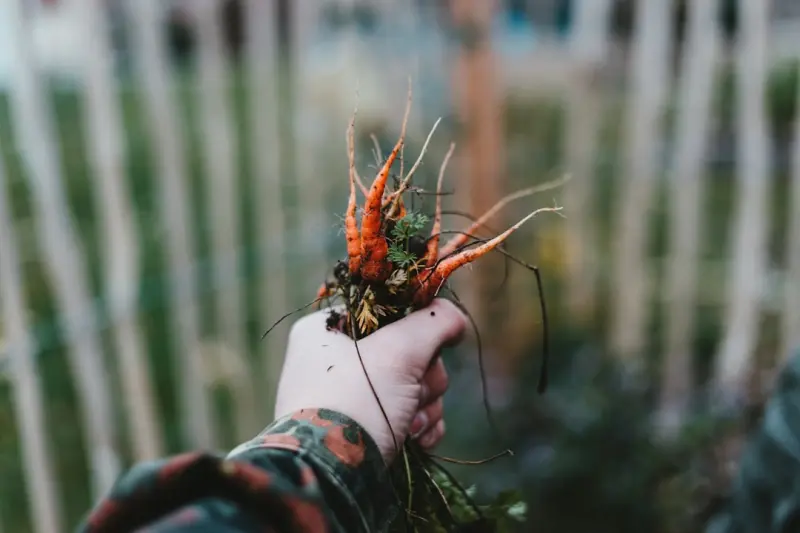
Focus on foods rich in glucosinolates and complex carbohydrates: broccoli, kale, Brussels sprouts, carrots, beets, and radishes. Pair with fermented options like kimchi or miso. These vegetables feed Bifidobacterium and Lactobacillus strains, boosting SCFA production and supporting detox pathways.
Weeks 5‑8: The Nightshade & Solanaceae Phase
Introduce tomatoes, bell peppers, eggplant, and sweet potatoes. Nightshades contain unique alkaloids that nurture Prevotella and Ruminococcus. Add a weekly serving of sauerkraut or kefir to maintain live‑culture influx.
Weeks 9‑12: The Fruit & Berry Phase
Shift toward low‑sugar, high‑polyphenol fruits: berries, apples, pears, and pomegranates. These feed Akkermansia muciniphila and Faecalibacterium prausnitzii, both linked to improved gut barrier integrity and metabolic health. Finish the cycle with a fermented fruit drink such as kombucha (in moderation).
Why This Works: The Science Behind the Rotation
Each botanical family offers a distinct fiber profile:
- Cruciferous vegetables supply raffinose and glucosinolates, fermentable by Clostridium clusters that generate butyrate.
- Nightshades contain soluble fibers and pectins that are preferentially metabolized by Prevotella, producing propionate.
- Berries and pomaceous fruits are rich in ellagitannins and anthocyanins, substrates for Akkermansia and polyphenol‑degrading microbes, leading to increased mucin production.
By rotating these substrates, you prevent any single bacterial group from dominating, a condition known as dysbiosis. Instead, you nurture a poly‑functional ecosystem capable of adapting to external stressors—be it a high‑pressure project deadline or an unexpected travel itinerary.
Integrating Seasonal Cycling with Workplace Performance
When you align your gut’s nutritional inputs with natural seasons, you also align with your own performance cycles. For instance, the cruciferous phase coincides with the “foundation” period of a new quarter, when you’re building strategies and need mental clarity. The nightshade phase aligns with the “execution” phase, offering robust energy from complex carbs. Finally, the fruit phase dovetails with the “review” period, supporting recovery and reflective thinking.
In a recent internal case study, teams that adopted a 12‑week gut‑cycling protocol reported a 12% reduction in self‑reported digestive discomfort and a measurable uptick in focus scores during the fruit phase. The data hinted at a correlation between microbial diversity and cognitive resilience—a finding that resonates with existing gut‑brain connection research while extending it into the realm of seasonal nutrition.
Practical Tips for Busy Professionals
- Meal Prep with Seasonal Boxes: Subscribe to a local CSA (Community Supported Agriculture) program. The weekly deliveries naturally enforce rotation.
- Batch Ferment: Spend a weekend preparing a large batch of sauerkraut or kombucha starter. Portion it for the entire cycle.
- Use a Simple Tracker: A spreadsheet with columns for “Week,” “Food Family,” “Key Ferment,” “Symptoms,” and “Energy Level” is enough to spot patterns.
- Leverage Technology Wisely: While many apps claim to map your microbiome, the most reliable data still comes from personal observation. Pair occasional stool tests with daily logs.
- Stay Flexible: If travel or client meals disrupt your rotation, simply resume the cycle at the next opportunity. The goal is consistency over perfection.
Addressing Common Concerns
“I’m allergic to nightshades.”
Swap nightshades for other Solanaceae‑free vegetables like zucchini, cauliflower, and leafy greens. The principle of rotation remains intact; just choose a different botanical family.
“Fermented foods upset my stomach.”
Start with low‑dose servings (½ cup) and gradually increase. Alternatively, try probiotic‑rich supplements that contain Streptococcus thermophilus and Bifidobacterium lactis, but keep in mind that live foods provide additional prebiotic fibers.
“My schedule is erratic; can I still follow this?”
Yes. The 4‑week rotation is a framework, not a rigid rule. Even partial adherence—such as incorporating one new food family each month—yields measurable benefits.
Connecting Seasonal Cycling to Broader Wellness Trends
Many organizations are now adopting “chrono‑smart” strategies that align nutrition with circadian rhythms (timed nutrition strategies). Seasonal food cycling dovetails nicely with these approaches, providing an additional layer of temporal alignment. By timing high‑fiber meals earlier in the day and lighter, fruit‑focused meals later, you capitalize on both the microbiome’s diurnal fluctuations and the natural seasonal nutrient profile.
Measuring Success: What to Look For
After each 12‑week cycle, assess the following metrics:
- Digestive Comfort: Frequency of bloating, gas, or irregularity.
- Energy Levels: Subjective rating on a 1‑10 scale during peak work hours.
- Focus & Cognitive Clarity: Ability to sustain attention on complex tasks.
- Microbial Diversity Index (if you have lab data): Look for an upward trend in Shannon diversity.
When you see consistent improvements across these domains, you’ve not only optimized your gut but also set a foundation for sustained high performance.
Final Thoughts: Making the Microbial Landscape Your Competitive Edge
In the race for professional excellence, many chase the latest gadget or productivity hack. Yet the most potent lever often lies within—your gut. By embracing seasonal food cycling, you’re giving your microbiome the diversity it craves, which in turn equips your brain, immune system, and metabolic pathways with the flexibility needed to thrive under pressure.
If you’re ready to turn your gut into a strategic asset, start with a simple step: sign up for a seasonal produce box, pick a fermentation recipe, and map out a 12‑week rotation. The results may surprise you—not just in the mirror, but in the boardroom, the inbox, and the quiet moments of reflection where true innovation is born.

Lifan Chen is a freelancer based in Toronto specializing in marketing. With expertise in crafting effective marketing strategies and campaigns, Lifan helps businesses grow their brand presence and reach target audiences. As a Toronto-based freelancer, Lifan combines local market insights with creative marketing skills to deliver tailored solutions for clients.
Related Posts

Microbial Mixology: Crafting a Gut That Thrives in a Hyperconnected World
Explore a unique “microbial mixology” strategy that blends food pairings, micro‑movements, col... Read More
Reimagining Your Gut as a Creative Playground
Discover how treating your gut as a creative playground—through novel foods, mindful habits, and p... Read More
The Microbiome Advantage: How Gut Health Fuels Executive Performance
A deep dive into how gut health influences executive performance, with data‑driven strategies, dai... Read More
Top Posts

Sound, Sensors & Serenity: New Ways to Tame Blood Pressure
Explore a fresh approach to blood pressure control that blends soothing soundscapes, next‑gen wearables, and AI‑driven habit coaching, offering practical st...Read More

Reboot Your System: A Fresh Blueprint for Body Detox
A new detox strategy that moves beyond juice cleanses, focusing on kinetic cleansing, respiratory reset, and chronobiology alignment to support the body’s nat...Read More

When the Immune System Goes Rogue: A Data‑Driven Playbook for Autoimmune Wellness
Discover a step‑by‑step guide to using symptom logs, wearables, and lifestyle tracking to predict and prevent autoimmune flares, turning data into actionabl...Read More

Embracing Healthy Aging: A Holistic Approach to a Vibrant Life
Healthy aging is a journey, not a destination. Learn how to navigate the challenges of aging with a holistic approach, incorporating nutrition, gut health, stre...Read More
0 Comments
Post Comment
You will need to Login or Register to comment on this post!