
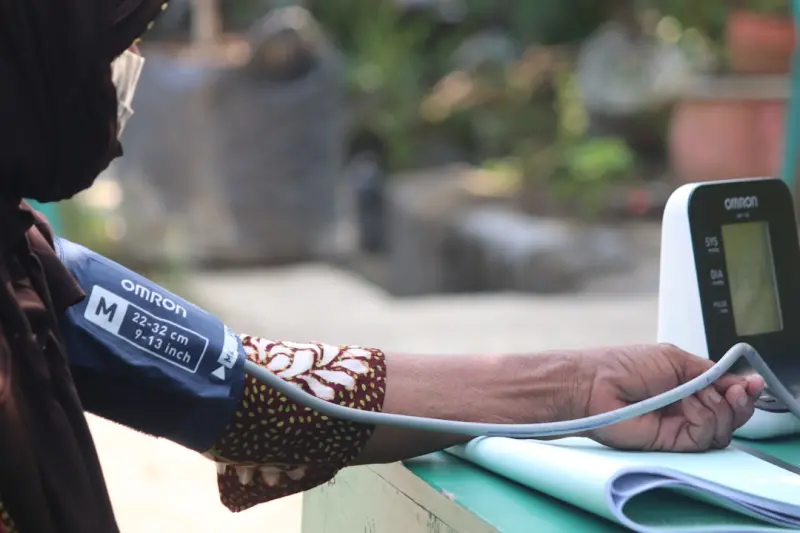
Why Traditional Blood‑Pressure Management Often Falls Short
When I first started tracking my own systolic numbers, I treated the process like a quarterly financial report: weigh the numbers, compare to the target, and adjust the “budget” accordingly. The reality, however, is that blood pressure behaves more like a living, breathing ecosystem than a static ledger. A single reading in the morning can feel like a snapshot of a bustling city—traffic lights, pedestrians, weather, even the mood of the crowd all influencing the flow. Most conventional advice—take a pill, cut salt, exercise twice a week—addresses only the big, obvious streets. It neglects the alleyways, the footpaths, the subtle vibrations that keep the whole system humming.
That’s why I’ve begun to think beyond the classic “diet‑and‑exercise” mantra. It’s time to incorporate micro‑movements, continuous biofeedback, and the data‑rich environment we live in. By doing so, we can nudge our vascular tone in real time, creating a resilient, adaptable circulatory system that doesn’t rely solely on medication or occasional doctor visits.
The Quiet Power of Micro‑Movements
Think about the difference between a marathon runner who jogs for an hour and someone who stands up, stretches, and walks around their kitchen every 30 minutes. Both are moving, but the latter’s body receives a constant series of tiny pressure adjustments, which can translate into better endothelial function—the inner lining of our blood vessels. Research is increasingly showing that tiny, frequent motions can improve nitric oxide production, a key molecule that dilates arteries and reduces arterial stiffness.
In practice, micro‑movements can be as simple as:
- Standing up to stretch every 20‑30 minutes.
- Doing a set of shoulder rolls while waiting for the coffee to brew.
- Practicing seated leg lifts during conference calls.
These actions may seem negligible, but when you compound them over a day, the cumulative effect mirrors a low‑intensity cardio session—without the need for a gym membership. The real magic happens when you pair these movements with quiet motion insights that show how even the smallest gestures can rewrite your health narrative.
Wearables: Turning Real‑Time Data into Immediate Action
Wearable tech has matured from step counters to sophisticated health hubs that monitor heart rate variability (HRV), oxygen saturation, and even arterial stiffness. The moment your watch detects a spike in systolic pressure, it can trigger a gentle reminder: “Take five deep breaths,” or “Stand and stretch.” This is the essence of biofeedback loops—the body tells you what it needs, and you respond instantly.
What sets modern wearables apart is the ability to aggregate data over weeks and months, identifying patterns that a single clinic visit would miss. For example, you might discover that your pressure consistently rises after a high‑caffeine lunch or during late‑night screen time. With that insight, you can tweak your daily routine before the numbers become a problem.
It’s not just about alerts. Many devices now offer guided micro‑movement sessions built directly into the wristband. A quick 60‑second “pulse reset” routine—alternating between light arm swings and ankle pumps—can stimulate venous return and lower peripheral resistance in under a minute.
Neuro‑Fitness: Training the Brain to Regulate Blood Pressure
Our nervous system is the command center for vascular tone. Stress triggers the sympathetic branch, tightening vessels and nudging pressure upward. Conversely, the parasympathetic branch relaxes the system. Neuro‑Fitness harnesses adaptive learning loops to train the brain in real time, improving its ability to toggle between these states with ease.
Imagine a platform that presents you with a series of breathing exercises, each calibrated to your current HRV. As you improve, the system subtly raises the difficulty, encouraging deeper diaphragmatic breaths that activate the vagus nerve—a primary parasympathetic conduit. Over weeks, this training can lower baseline sympathetic drive, translating into a measurable dip in resting blood pressure.
Integrating neuro‑fitness into your daily routine doesn’t require an hour of meditation. Even a 2‑minute “reset” before a stressful meeting can recalibrate your autonomic balance, making the difference between a spike and a steady reading.
Mind‑Body Practices: Beyond the Conventional “Relaxation” Buzz
When most people think of stress reduction, they envision yoga or a walk in the park. While those are valuable, a more targeted approach involves interoceptive awareness—the ability to sense internal bodily cues like heartbeat, breath, and subtle shifts in tension. Training this awareness through practices such as slow‑pacing breathwork or body scanning can help you detect early signs of vascular constriction and intervene before pressure climbs.
One technique I’ve adopted is the “5‑4‑3‑2‑1 Vascular Scan.” While seated, close your eyes and count:
- Five slow breaths, feeling the rise and fall of your chest.
- Four gentle shoulder rolls, noticing any tightness.
- Three ankle pumps, encouraging blood flow to the lower limbs.
- Two minutes of mindful observation of your pulse, noting rhythm and strength.
- One affirmation: “My vessels flow freely and calmly.”
This simple ritual, repeated three times a day, sharpens the mind‑body connection, turning you into an active participant in your own hemodynamics.
Designing Your Personal Blood‑Pressure Dashboard
Data is only as good as the story it tells. To make sense of the myriad inputs—wearable metrics, micro‑movement logs, stress scores—you need a personalized dashboard. Here’s a minimal yet powerful setup:
- Core Metrics: Systolic/diastolic averages, HRV, resting heart rate.
- Behavioral Triggers: Caffeine intake, screen time, sleep quality.
- Movement Log: Count of micro‑movement breaks per day, total active minutes.
- Neuro‑Fitness Score: Weekly progress on breathwork and brain training modules.
Platforms like Google Data Studio or Notion can pull data via APIs from your wearables and habit‑tracking apps, visualizing trends in a single glance. When you see a correlation—say, “pressure spikes after >2 hours of continuous screen exposure”—you can act immediately, perhaps by scheduling a micro‑movement break or a short mindfulness session.
Putting It All Together: A Sample Day in the Life
6:30 am – Wake‑up “Pulse Reset”: Your smartwatch detects a higher than usual morning systolic pressure. It prompts a 60‑second micro‑movement flow—arm circles, ankle pumps, and a deep‑breath sequence. You feel the immediate drop in tension.
8:00 am – Commute Mindfulness: While on the train, you engage in a 3‑minute guided breathwork from your neuro‑fitness app, calibrated to your HRV. This primes your parasympathetic system for the day ahead.
10:30 am – Micro‑Movement Break: An on‑screen reminder nudges you to stand, stretch, and perform a set of shoulder rolls. Your dashboard logs the break, noting a slight dip in systolic pressure.
12:45 pm – Lunch Check‑In: You record your meal (low‑sodium quinoa bowl) and note a cup of coffee. The dashboard flags a potential caffeine‑related pressure rise, suggesting a post‑meal walk.
3:00 pm – Quiet Motion Review: Using insights from Quiet Motion, you evaluate the cumulative impact of your micro‑movements, seeing a 3 mmHg average reduction compared to the previous week.
6:00 pm – Evening Neuro‑Fitness Session: A 5‑minute adaptive breathing exercise, guided by your neuro‑fitness platform, targets a lingering sympathetic tone from the day’s stressors.
9:30 pm – Bedtime Wind‑Down: You perform the “5‑4‑3‑2‑1 Vascular Scan,” reinforcing interoceptive awareness and setting a calm baseline for overnight recovery.
Over weeks, this integrated approach transforms blood pressure from a passive measurement into an active feedback loop you control.
Addressing Common Skepticism
Many readers wonder, “Will these tiny habits actually replace medication?” The answer is nuanced. For individuals with borderline hypertension, these strategies can serve as a powerful adjunct, often allowing for dose reduction under physician supervision. For those with established hypertension, they are not a cure‑all but a vital component of a comprehensive care plan.
Clinical trials are beginning to quantify the impact of micro‑movements and real‑time biofeedback on arterial stiffness and endothelial health. Early data suggests reductions of 3‑5 mmHg in systolic pressure after 12 weeks of consistent practice—a clinically meaningful shift that can reduce cardiovascular risk by roughly 10 %.
In short, think of these techniques as the “software updates” for your circulatory system, complementing the “hardware” of medication, diet, and major exercise.
Getting Started: Your First 30‑Day Blueprint
Below is a simple, evidence‑backed roadmap you can begin today:
- Day 1‑3: Install a wearable that tracks BP, HRV, and movement. Set up hourly micro‑movement reminders.
- Day 4‑10: Add a 2‑minute neuro‑fitness breathing session each morning.
- Day 11‑20: Begin logging meals and caffeine; use the dashboard to spot patterns.
- Day 21‑30: Incorporate the “5‑4‑3‑2‑1 Vascular Scan” before bed and evaluate the first week’s data trends.
At the end of the month, review your dashboard. Celebrate any downward pressure trend, even if modest. Remember, the goal is sustainable, incremental change, not a dramatic overnight overhaul.
Conclusion: From Reactive to Proactive Blood‑Pressure Management
Blood pressure isn’t a static number; it’s a dynamic conversation between your heart, vessels, nervous system, and daily habits. By weaving micro‑movements, real‑time data, and neuro‑fitness into the fabric of your day, you shift from a reactive stance—waiting for a doctor’s call—to a proactive stance, where you are the primary regulator of your own vascular health.
Give yourself permission to experiment. Try a new micro‑movement, tweak a breathwork routine, or adjust the timing of that afternoon coffee. The body is remarkably adaptable, and with the right feedback loops, you can guide it toward a calmer, healthier rhythm—one tiny step at a time.

Related Posts
Ambient Rhythm: Harnessing Sound, Light, and Simple Movements to Manage Blood Pressure
Discover a practical, everyday approach to blood pressure management by tuning your environment—so... Read More
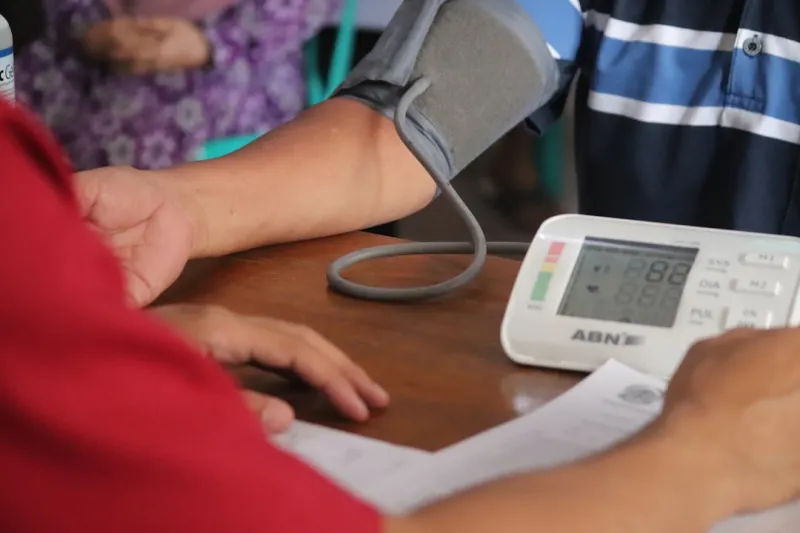
Managing Blood Pressure through Lifestyle Changes
Maintaining healthy blood pressure is essential for overall well-being. Learn how to manage blood pr... Read More
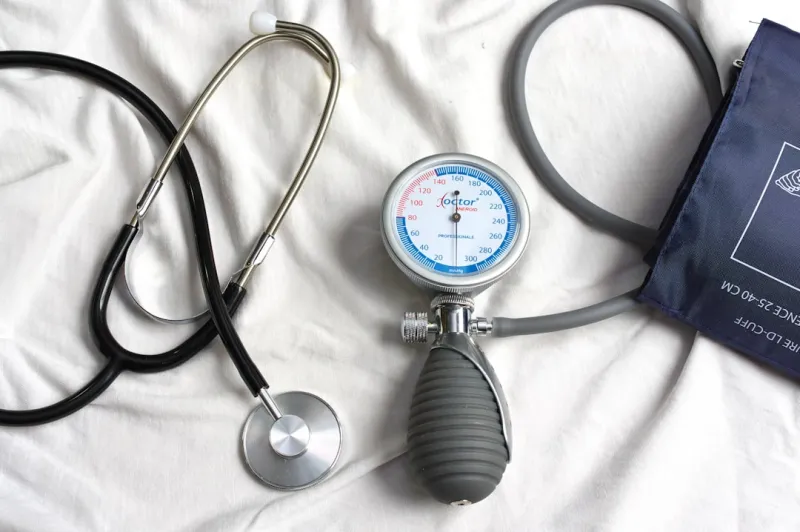
Balancing Blood Pressure Naturally: A Holistic Guide
A comprehensive, holistic approach to managing blood pressure—integrating diet, exercise, stress c... Read More
Top Posts

Navigating Sleep Terrors: A Practical Guide to Calm Nights
Sleep terrors can feel overwhelming, but understanding their triggers and applying practical habits can restore calm. This guide offers actionable tips for a pe...Read More

Cognitive Gym: How Learning and Community Keep Your Brain Young
Explore the power of neuroplasticity, purposeful learning, and rich social ties as the ultimate strategy for healthy aging, with practical tips to turn everyday...Read More

Sleep Terrors Decoded: Why Your Nightmares Might Be a Secret Superpower
A deep dive into the mysterious world of sleep terrors, uncovering their hidden messages and offering actionable steps to turn night‑time fear into daytime st...Read More
Rethinking Narcolepsy in the Remote‑Work Era
A deep dive into how remote‑work flexibility, purposeful workspace design, and open communication can turn narcolepsy from a hurdle into a catalyst for innova...Read More
0 Comments
Post Comment
You will need to Login or Register to comment on this post!