
Why Temperature Isn’t Just About Comfort
When you walk into a climate‑controlled office or set up a home workstation, the first thing you notice is the temperature. Most of us adjust the thermostat to stay comfortable, but few consider how subtle shifts in ambient heat or cold can send ripples through our liver’s metabolic machinery. The liver is a thermally sensitive organ; its enzymes, blood flow, and detox pathways respond to the body’s core temperature. In high‑performance environments where focus and stamina are non‑negotiable, ignoring the thermal dimension can undermine the very cellular resilience you’re trying to build.
The Liver’s Thermoregulatory Role
While the hypothalamus is the brain’s thermostat, the liver acts as a metabolic thermostat. It modulates glucose output, processes fats, and clears toxins—all processes that generate heat. When external temperatures rise, the liver works harder to dissipate excess heat, diverting blood flow away from the gut and other organs. This redistribution can impair digestion, reduce the efficiency of nutrient absorption, and, over time, strain hepatic cells. Conversely, in overly cool environments, the liver slows its enzymatic reactions, leading to sluggish detoxification and a buildup of metabolic by‑products.
Heat Stress and Oxidative Load
Prolonged exposure to high ambient temperatures elevates core body heat, which in turn accelerates the production of reactive oxygen species (ROS) within hepatic mitochondria. ROS are natural by‑products of energy production, but when they accumulate faster than the liver’s antioxidant defenses can neutralize them, oxidative stress takes hold. This stress can damage mitochondrial DNA, impair fatty acid oxidation, and set the stage for early signs of non‑alcoholic fatty liver disease (NAFLD). Simple workplace heat spikes—think a conference room packed with laptops and a malfunctioning HVAC system—can be enough to tip the balance.
Cold Environments and Metabolic Drag
Cold isn’t a free pass either. When the surrounding air temperature drops, the body conserves heat by narrowing peripheral blood vessels. The liver, receiving less blood flow, receives fewer nutrients and oxygen, slowing its metabolic turnover. This “metabolic drag” can lead to a temporary rise in circulating lipids and glucose, placing additional processing demands on hepatic cells once the temperature normalizes. Over weeks of chronic under‑heating—common in under‑insulated home offices—these fluctuations can contribute to insulin resistance and subtle fat accumulation in the liver.
Practical Climate‑Control Strategies for Liver Longevity
1. Zone Your Workspace. If possible, create micro‑climates: a cooler zone for focused, analytical tasks and a slightly warmer area for creative brainstorming. This mimics the body’s natural temperature oscillations and prevents prolonged exposure to a single thermal extreme.
2. Schedule Thermal Breaks. Every 90 minutes, step away from the desk and expose yourself to a different temperature. A brief walk outside on a crisp morning or a quick stretch in a sun‑lit break room can recalibrate blood flow and stimulate hepatic circulation.
3. Invest in Smart Thermostats. Modern thermostats can learn your daily rhythm and adjust temperature in 15‑minute increments, avoiding the shock of sudden temperature changes that can stress the liver.
Hydration, Electrolytes, and Temperature
Temperature regulation is inseparable from fluid balance. In hot environments, you lose electrolytes through sweat, which can impair the liver’s ability to process ammonia—a by‑product of protein metabolism. Dehydration reduces plasma volume, limiting the liver’s capacity to transport nutrients and waste. Conversely, over‑hydration in cold settings can dilute electrolytes, leading to cellular edema that hampers hepatic function. Aim for a balanced electrolyte intake: a pinch of sea salt, a squeeze of citrus, and occasional magnesium‑rich foods like pumpkin seeds.
Nutrition Tweaks That Buffer Thermal Stress
While we’ve covered macro‑level climate controls, the foods you eat can act as internal thermostats. Anti‑oxidant‑rich berries, cruciferous vegetables, and omega‑3 fatty acids bolster the liver’s ROS‑scavenging systems, providing a buffer against heat‑induced oxidative stress. On cooler days, warm soups with bone broth deliver glycine and proline—amino acids that support collagen synthesis in hepatic tissue, aiding repair. Pairing these meals with a modest amount of healthy fats improves the liver’s capacity to absorb fat‑soluble vitamins that are essential for detox pathways.
The Hidden Link Between Air Quality and Liver Health
Temperature often co‑exists with indoor air quality challenges. Hot, stagnant air can increase concentrations of volatile organic compounds (VOCs) from office furniture, cleaning agents, and electronic devices. These VOCs travel through the bloodstream to the liver, demanding additional detox work. On colder days, windows stay shut, trapping pollutants inside. Investing in a HEPA filter or a plant‑based air purifier not only improves respiratory comfort but also reduces the hepatic load.
Mind‑Body Practices That Complement Climate Management
Breathing techniques, such as controlled diaphragmatic breathing, help regulate core temperature by influencing autonomic nervous system balance. When you intentionally lower your breathing rate, you reduce metabolic heat production, giving the liver a reprieve during a hot work session. Similarly, gentle movement like tai chi or yoga promotes peripheral circulation, ensuring the liver receives a steady supply of oxygenated blood regardless of ambient temperature.
Leveraging Intermittent Fasting for Thermal Resilience
Intermittent fasting (IF) is often praised for its impact on insulin sensitivity, but it also primes the liver for thermal challenges. During fasting windows, the liver shifts from glucose production to ketone generation, a process that produces less heat than glycolysis. This metabolic shift can lower core temperature slightly, reducing the strain of external heat. Moreover, fasting triggers autophagy—a cellular “clean‑up” mechanism—allowing liver cells to discard damaged mitochondria that might otherwise amplify oxidative stress in hot environments.
Technology‑Enabled Monitoring
Wearable devices now track skin temperature, heart rate variability (HRV), and sweat composition in real time. By correlating these metrics with work periods, you can identify patterns where temperature spikes coincide with dips in HRV—a sign of physiological stress. Use this data to adjust your thermostat, schedule breaks, or hydrate strategically. The feedback loop turns abstract temperature concerns into actionable data points that protect your liver.
When to Seek Professional Guidance
If you notice persistent fatigue, unexplained abdominal discomfort, or changes in digestion after prolonged exposure to extreme temperatures, it may be time to consult a hepatology specialist. Blood tests that assess liver enzymes (ALT, AST) and inflammatory markers can reveal whether thermal stress has translated into cellular strain. Early detection allows for targeted interventions—ranging from dietary adjustments to prescription antioxidants—that can safeguard long‑term liver function.
Connecting the Dots: From Gut to Liver
The gut‑liver axis is a two‑way street; what happens in your intestines reverberates in your hepatic cells. A resilient gut, fortified by prebiotic fibers and fermented foods, produces short‑chain fatty acids that support liver metabolism. For deeper insights, explore gut resilience tactics and see how a balanced microbiome can act as a thermal buffer, moderating the liver’s response to temperature fluctuations.
Future Trends: Adaptive Workspaces
Forward‑thinking companies are already piloting adaptive workspaces that adjust lighting, temperature, and humidity based on biometric feedback. These “bio‑responsive” environments aim to keep employees in an optimal physiological zone, minimizing stress on vital organs—including the liver. As this technology becomes mainstream, the conversation about liver health will shift from reactive measures to proactive, environment‑driven strategies.
Takeaway: Your Liver Deserves a Climate Plan
In the race for peak performance, the liver often sits in the background while you fine‑tune your diet, sleep, and exercise. Yet the temperature of your environment is a silent variable that can either amplify or diminish the benefits of those habits. By recognizing the liver’s thermoregulatory role, implementing climate‑smart workspace habits, staying hydrated with balanced electrolytes, and leveraging technology for real‑time feedback, you give your liver the conditions it needs to thrive. A healthier liver, in turn, fuels sharper cognition, steadier energy, and a longer, more resilient career.
For a broader perspective on how liver health intersects with metabolic performance, you might also find the liver reprogramming insights article an informative companion.

William Roy is a freelance writer originally from Montreal who moved to Ottawa with his wife of 50 years to be closer to their grandkids. Alongside his writing, William has a passion for fishing.
Related Posts

Revitalize Your Liver: A Personal Blueprint
I share my step‑by‑step journey from sluggish afternoons to vibrant energy, revealing the simple... Read More

Seasonal Eating: A Fresh Blueprint for Vibrant Liver Health
Learn a simple, season‑aligned approach to liver wellness that combines micro‑habits, mindful co... Read More
The Quiet Powerhouse: Rethinking Liver Care in Everyday Life
Explore a fresh perspective on liver health that blends mindful nutrition, regular movement, stress ... Read More
Top Posts

Your Gut as a Cognitive Powerhouse: Unlocking Mental Edge Through Microbiome Mastery
A deep dive into the gut‑brain axis reveals how nurturing microbial diversity, seasonal liver support, and rhythmic mindfulness can turn your gut into a strat...Read More
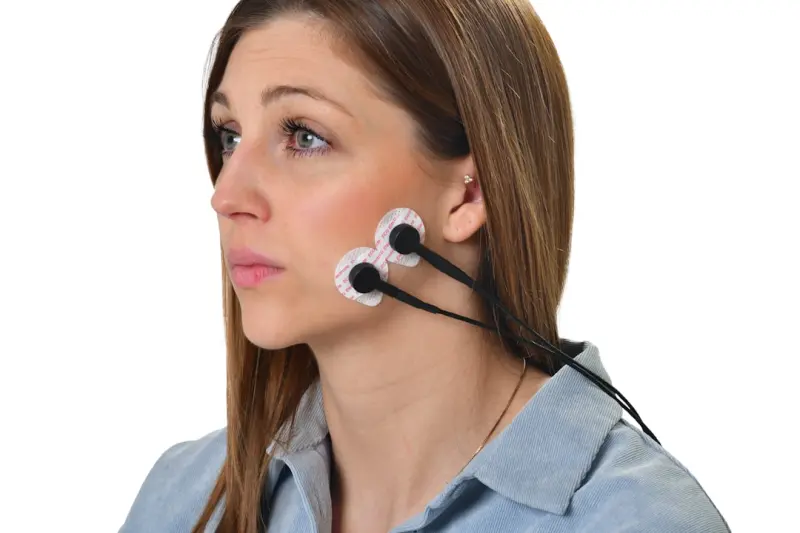
Biofeedback Meets Physiotherapy: Data‑Driven Movement for Modern Executives
Biofeedback bridges the gap between traditional physiotherapy and real‑time data, enabling executives to correct posture, prevent injury, and enhance performa...Read More

Finding Freedom Within: A Story‑Driven Path to Living Well with Autoimmune Disease
Discover how storytelling, micro‑journaling, and intentional lifestyle tweaks can empower you to thrive despite autoimmune challenges....Read More

Unlocking the Secret of Food Pairing: How Strategic Combos Supercharge Nutrition
Explore the science behind food pairing, learn which combos maximize vitamins and minerals, and get practical tips to transform everyday meals into nutrient pow...Read More
0 Comments
Post Comment
You will need to Login or Register to comment on this post!