

Why Flavor Matters More Than You Think
When most people think about blood‑sugar control they picture counting carbs, timing insulin, or avoiding sugary drinks. What they often overlook is the profound influence that taste and texture have on the body’s glycemic response. Flavor isn’t just a pleasant side effect of food—it’s a signaling system that can either calm or ignite glucose spikes.
The Science Behind Taste‑Triggered Metabolic Shifts
Every bite activates a cascade of neural pathways. Sweet, salty, sour, bitter, and umami receptors send rapid messages to the brain, which in turn adjusts hormone release, gastric emptying speed, and even the sensitivity of insulin receptors. For instance, the presence of a strong bitter component can slow gastric transit, giving the pancreas more time to modulate insulin output before glucose floods the bloodstream.
Recent research shows that the mouth‑to‑brain axis can account for up to 30 % of post‑meal glucose variability, independent of the actual carbohydrate load. This means that two meals with identical macro‑nutrient profiles can produce wildly different glycemic curves solely because of their flavor composition.
Strategic Flavor Pairings to Smooth Glucose Peaks
Below are three proven flavor strategies that help flatten the glycemic curve without sacrificing enjoyment:
- Bitter‑Balanced Meals: Incorporate a pinch of natural bitter greens (like kale, arugula, or dandelion) alongside starchy carbs. The bitter signal delays gastric emptying, allowing a steadier glucose absorption.
- Umami‑Rich Proteins: Pair proteins with umami‑rich ingredients—mushrooms, seaweed, or fermented soy. Umami triggers satiety hormones (like leptin) that blunt post‑meal insulin spikes.
- Acidic Finish: A splash of citrus or a dollop of vinegar at the end of a meal can lower the glycemic index of the dish by slowing carbohydrate breakdown.
Texture as a Hidden Modulator
Texture isn’t just about mouthfeel; it directly impacts chewing duration and salivary enzyme production. Longer chewing increases saliva, which contains amylase that begins carbohydrate digestion in the mouth. Paradoxically, this can lead to a more gradual rise in blood sugar because the carbs are broken down earlier and absorbed more evenly.
To leverage texture, aim for:
- Crunchy Vegetables: Raw carrots, bell peppers, or snap peas add a satisfying snap that forces you to chew longer.
- Coarse Grains: Opt for steel‑cut oats or barley over instant varieties; the larger particle size prolongs the digestion timeline.
- Layered Meals: Combine soft components (like mashed sweet potato) with fibrous, fibrous items (like roasted chickpeas) to create a varied chew pattern.
Integrating Technology Without Overcomplicating
If you’re already using a continuous glucose monitor (CGM), you have a powerful feedback loop at your fingertips. Instead of merely tracking spikes, use the data to identify which flavor combos produce the smoothest curves. For example, you might notice that a lunch featuring lemon‑marinated grilled chicken with roasted Brussels sprouts yields a flatter curve than an identical macronutrient meal without the citrus.
For those who prefer a less data‑intensive approach, biofeedback tools can still be valuable. Simple heart‑rate variability (HRV) apps give a proxy for stress, which is a major driver of glucose volatility. By aligning low‑stress periods with meals that contain potent bitter or umami elements, you double‑down on the stabilizing effect.
Case Study: From Roller‑Coaster to Calm
Meet Jenna, a senior project manager who struggled with unpredictable glucose spikes despite a disciplined carb‑counting regimen. Over six weeks, Jenna experimented with flavor‑first meals:
- Breakfast: Greek yogurt topped with a handful of fresh blueberries, a drizzle of apple cider vinegar, and a sprinkle of ground flaxseed.
- Lunch: Quinoa bowl with roasted salmon, sautéed kale (lightly tossed in olive oil and sea salt), and a miso‑ginger dressing.
- Dinner: Slow‑cooked lamb stew enriched with rosemary, black olives, and a splash of red wine vinegar.
By the end of the trial, Jenna’s CGM data showed a 22 % reduction in peak glucose levels and a 15 % increase in time‑in‑range. She also reported feeling more satiated and experienced fewer afternoon cravings.
Jenna’s success underscores that the qualitative aspects of food—taste, aroma, texture—can be just as potent as the quantitative ones (calories, carbs).
Practical Tips for Everyday Implementation
Transitioning to flavor‑centric glucose management doesn’t require a kitchen overhaul. Start with these simple steps:
- Audit Your Plate: Identify one flavor dimension that’s missing—bitter, umami, or acidic—and add a natural source.
- Mindful Chewing: Aim for 20–30 chews per bite. Set a timer if needed.
- Season Strategically: Replace a pinch of sugar with a dash of citrus zest or a splash of fermented sauce.
- Leverage Existing Resources: Pair these tweaks with your current wellness routine to amplify overall metabolic health.
Beyond the Plate: Lifestyle Synergy
Flavor management works best when paired with complementary habits. Regular movement, adequate sleep, and stress‑reduction practices all reinforce the body’s ability to process glucose efficiently. While this article focuses on taste, remember that the body is a system—each piece influences the whole.
Conclusion: Reframe Your Relationship with Food
Instead of viewing flavor as a decorative afterthought, treat it as an active ingredient in blood‑sugar stability. By consciously selecting bitter greens, umami proteins, and acidic finishes, and by paying attention to texture, you create a built‑in safety net against spikes. Combine these culinary choices with the feedback you get from modern monitoring tools, and you’ll move from reactive management to proactive mastery.

Related Posts

Mastering Blood Sugar Through Meal Timing and Rhythm
Discover a fresh approach to blood‑sugar control by syncing meals with your body’s circadian rhy... Read More

Rhythm‑Based Strategies to Stabilize Blood Sugar Naturally
Learn a rhythm‑based approach to blood sugar management that syncs eating, exercise, and evening c... Read More

Steady Energy: A Practical Blueprint for Day‑Long Blood Sugar Balance
Discover practical strategies—from optimal meal windows and fiber pairings to cooler workspaces an... Read More
Top Posts
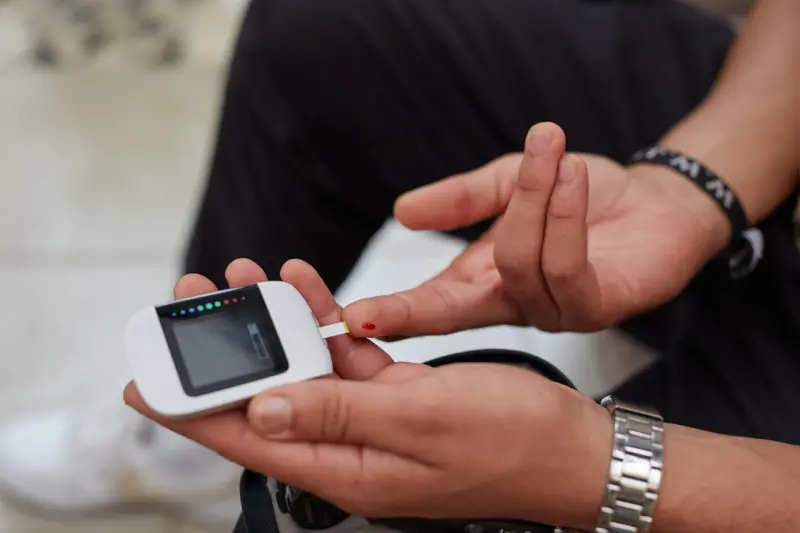
Gamify Your Glucose: A Playful Path to Steady Blood Sugar for High‑Performance Professionals
Discover a data‑driven, gamified approach to blood sugar management that uses real‑time scoring, micro‑habits, and team leaderboards to boost focus, resil...Read More

Listening to the Night: Turning Insomnia Into a Body’s Conversation
Insomnia isn’t just a problem—it’s a conversation. Learn practical tools like body scans, scent cues, gentle movement, and storytelling journaling to hear...Read More

When the Office Thermostat Betrays Your Liver: Climate‑Driven Strategies for Cellular Wellness
Explore the hidden impact of ambient temperature on liver health and get actionable strategies—like thermal breaks, smart thermostats, and hydration tweaks—...Read More
Microbial Reset: A Science‑Backed Path to Whole‑Body Detox
A fresh take on detox focuses on resetting the gut and skin microbiome through diverse foods, targeted fermentation, and mindful environmental hygiene, offering...Read More
0 Comments
Post Comment
You will need to Login or Register to comment on this post!