
Why Stress Resilience Is the New Frontier in Women’s Health
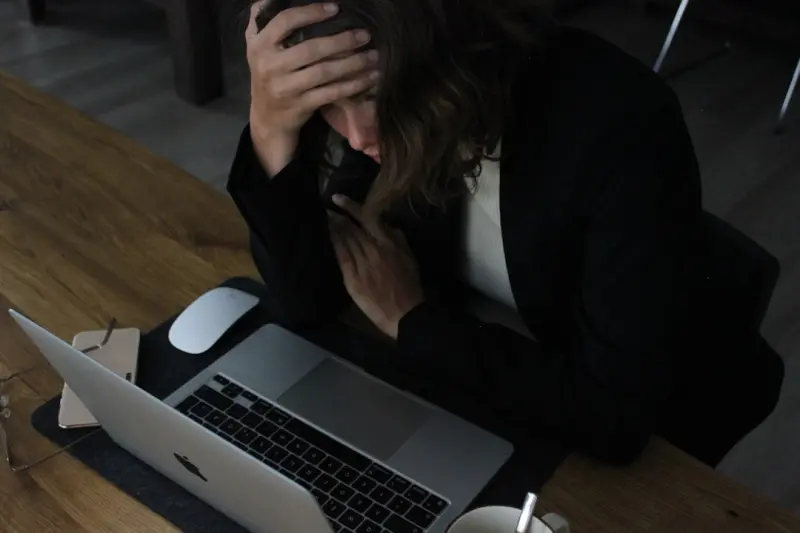
When I first started writing about wellness, I was drawn to the flashier topics—glowing skin, the perfect workout, the latest supplement. Over time I realized that the real game‑changer for women isn’t a new product; it’s the invisible capacity to bounce back when life gets chaotic. Stress resilience, the ability to recover quickly from mental, emotional, or physical strain, sits at the intersection of hormones, brain chemistry, and everyday habits. It’s the silent architect behind everything from mood stability to sleep quality, from metabolic balance to immune strength. For women, who often juggle multiple roles—career, caregiving, community leadership—building that resilience is not a luxury; it’s essential survival.
The Hormonal Symphony Behind Resilience
Women’s bodies are governed by a dynamic hormonal orchestra. Cortisol, the classic “stress hormone,” is only one instrument. Estrogen, progesterone, and even oxytocin play crucial roles in how we process stress. When cortisol spikes, estrogen can help buffer its impact on the brain, but only if estrogen levels are balanced. During perimenopause, for example, fluctuating estrogen can leave the cortisol response feeling amplified, making everyday pressures feel overwhelming.
Understanding this interplay shifts the conversation from “just relax” to “let’s fine‑tune the biology.” Simple lifestyle tweaks—like timing meals around your natural hormone cycles or integrating breathwork during low‑estrogen phases—can dramatically dampen the cortisol surge and preserve mental clarity.
Micro‑Movement: Tiny Actions, Massive Hormonal Benefits
We’ve all heard the hype about “high‑intensity interval training” (HIIT) and marathon training, but for stress resilience, micro‑movement is the unsung hero. Think of short, intentional bouts of activity that fit seamlessly into a busy day: a five‑minute desk stretch, a quick walk to the water cooler, or a 60‑second wall sit while waiting for a Zoom call to load.
- Why it works: Brief, low‑impact movement stimulates the release of endorphins and oxytocin, both natural mood elevators.
- Hormonal boost: Even a minute of gentle movement can lower cortisol by up to 15% within 30 minutes, according to recent research.
- Practical tip: Set a timer on your phone for “movement breaks” every 90 minutes. Stand, roll your shoulders, or do a quick calf raise. The habit builds a physiological buffer against stress spikes.
Nutrition as a Stress‑Modulating Tool
What we eat directly influences our stress response. Foods rich in magnesium (spinach, pumpkin seeds) and omega‑3 fatty acids (salmon, chia) support the nervous system, making it less reactive to stressors. Conversely, high‑sugar spikes can amplify cortisol release, creating a vicious cycle of cravings and anxiety.
One strategy I love is the seasonal food swaps approach—substituting out‑of‑season produce for locally grown options. Not only does this reduce inflammation, but the fresh, nutrient‑dense foods provide the vitamins that help synthesize neurotransmitters like serotonin. When your brain has the building blocks it needs, it’s less likely to over‑produce stress chemicals.
Digital Tools: Tracking, Learning, Adapting
Technology isn’t just for fitness trackers; it’s becoming a cornerstone of personalized stress management. Apps that monitor heart‑rate variability (HRV) can alert you when your nervous system is out of balance, prompting a breathwork session before a meeting. Wearables now integrate skin‑conductance sensors that detect subtle sweat changes—a proxy for cortisol spikes.
For women who thrive on data, integrating these insights with digital physiotherapy tools can create a holistic picture of both physical and mental strain. Imagine a platform that flags a rising HRV trend and suggests a quick 5‑minute yoga flow targeting the pelvic floor—addressing both stress and a common source of discomfort for many women.
Pelvic Floor Health: The Hidden Stress Reliever
Most conversations about women’s health overlook the pelvic floor, yet its condition can dramatically affect stress levels. A tense pelvic floor sends signals to the brain that the body is in a fight‑or‑flight state, even when there’s no external threat. Regular gentle activation—think of slow, diaphragmatic breathing paired with pelvic floor relaxation—helps the nervous system interpret “all is safe.”
Incorporate a simple exercise: lie on your back with knees bent, inhale deeply, and as you exhale, imagine releasing tension from the area between your hips. Do this for three breaths, three times a day. Over weeks, you’ll notice a subtle easing of overall anxiety, because the body’s primary stress “alarm” is being dialed down.
Community Connection: The Social Buffer
Science shows that strong social bonds act as a natural cortisol dampener. Women often shoulder invisible emotional labor—checking in on relatives, coordinating family logistics, supporting friends. When this labor is shared, the hormonal burden lessens. Building a “stress‑resilience circle” of 3–5 trusted peers can provide a quick outlet for venting, celebrating wins, or simply sharing a laugh.
Make it intentional: schedule a monthly brunch, a virtual coffee chat, or a walking group. The key is consistency. Over time, this community becomes a physiological safety net, reducing the baseline cortisol level and improving overall mood.
Sleep Hygiene Reimagined (Without the “Quiet Reset”)
While the “quiet reset” concept is popular, there’s a fresh angle: aligning sleep patterns with hormonal phases. During the luteal phase (post‑ovulation), body temperature naturally rises, making it harder to fall asleep. Adjusting bedtime by 30 minutes earlier and dimming lights can counteract this shift. Additionally, a magnesium‑rich snack before bed—like a banana with a handful of almonds—supports GABA production, the neurotransmitter that promotes calm.
For night‑shifters or women juggling irregular schedules, the trick is to maintain a consistent pre‑sleep ritual that signals the brain it’s time to unwind, regardless of clock time. Consistency beats perfection.
Mind‑Body Practices Tailored for Women
Traditional meditation works, but women often crave a more embodied experience. Practices that combine movement, breath, and mental focus—such as slow flow yoga, tai chi, or even dance‑based meditation—activate the parasympathetic nervous system more robustly than static sitting.
Try this 5‑minute “grounding dance”:
- Play a song with a steady beat that lifts your mood.
- Move gently—swaying hips, rolling shoulders, small steps.
- Focus on the sensation of your feet contacting the floor and the rhythm of your breath.
- End with three deep inhales, visualizing stress exiting with each exhale.
Such embodied practices not only lower cortisol but also boost estrogen’s mood‑stabilizing effects.
Putting It All Together: A 7‑Day Resilience Blueprint
Below is a simple, research‑backed roadmap you can start today. Each day targets a different lever—movement, nutrition, community, tech, sleep, pelvic health, and mind‑body practice. Feel free to shuffle the order based on your schedule.
- Day 1 – Micro‑Movement: Set three 5‑minute movement alarms. Include a desk stretch, a hallway walk, and a quick stair climb.
- Day 2 – Nutrient Swap: Replace one processed snack with a magnesium‑rich option (e.g., pumpkin seeds).
- Day 3 – Digital Insight: Install an HRV app and log your baseline reading. Perform a 2‑minute breathing exercise when HRV drops.
- Day 4 – Pelvic Floor Release: Practice the diaphragmatic pelvic relaxation exercise three times.
- Day 5 – Community Reach‑Out: Send a quick “check‑in” text to a friend or schedule a 15‑minute coffee chat.
- Day 6 – Sleep Alignment: Adjust bedtime by 30 minutes earlier if you’re in the luteal phase; add a magnesium snack.
- Day 7 – Mind‑Body Flow: Finish the week with a 10‑minute slow flow yoga session or the grounding dance.
Repeat this cycle, tweaking each component based on what your body and mind tell you. Over a few weeks, you’ll notice a lower baseline stress level, steadier mood, and a greater sense of control over the inevitable pressures of daily life.
Final Thoughts: Resilience Is a Lifestyle, Not a One‑Off Fix
Building stress resilience isn’t about a single meditation session or a weekend detox; it’s about weaving micro‑habits into the fabric of everyday life. When women honor their hormonal rhythms, move intentionally, nourish wisely, leverage technology, and lean on community, they create a multi‑layered defense against stress. That defense translates into better heart health, stronger immune function, clearer thinking, and a brighter, more vibrant life.
So, let’s shift the narrative: from “manage stress” to “cultivate resilience.” It’s a subtle change in wording, but it signals a profound shift—from reacting to stress, to proactively fortifying the body and mind for whatever comes next.

Tammy French is a Montessori Teaching Assistant and freelance writer passionate about education, creativity, and inspiring lifelong learning through engaging content.
Related Posts
Rethinking Menopause: A Data‑Driven Path to Personal Empowerment
Learn how to transform menopause from a vague health challenge into a data‑empowered journey, usin... Read More

Breath as Your Quiet Ally: Harnessing Breathwork for Women’s Hormonal Harmony
Learn how diaphragmatic, box, and alternate nostril breathing can stabilize hormones, reduce stress,... Read More

Micro‑Movement Mastery: A New Frontier for Women’s Pelvic Vitality
A practical guide to micro‑movement practices that support pelvic health, hormonal harmony, and ov... Read More
Top Posts
The Unexpected Productivity Boost of a Growing Bump
Pregnancy isn’t a career slowdown; it can sharpen focus, enhance learning, and boost productivity. Learn how to harness hormonal changes, gut health, and stra...Read More

Rewriting the Cancer Narrative: From Statistics to Human Stories
This article shifts the focus from cancer survival stats to the lived stories of patients, highlighting narrative medicine, community‑driven data, nutrition, ...Read More

The Sleep Epidemic: Unraveling the Mysteries of Insomnia
Insomnia affects millions of people worldwide, causing fatigue, mood disturbances, and increased risk of chronic diseases. Learn how to manage insomnia through ...Read More

When Breath Becomes a Bottleneck: How Sleep Apnea Sabotages Executive Decision‑Making
Untreated sleep apnea silently undermines the brain’s executive functions, affecting focus, risk assessment, and strategic choices. Learn how modern diagnosti...Read More
0 Comments
Post Comment
You will need to Login or Register to comment on this post!