
Why Blood Sugar Deserves a Seat at Your Strategy Table
When most leaders talk about performance metrics, the conversation circles around KPIs, conversion rates, and employee engagement scores. I’ve been there, juggling dashboards and trying to squeeze every ounce of productivity from my team. What I didn’t realize until a few months ago was that the most powerful metric we’re ignoring lives inside our own bodies: blood‑glucose levels. Not just a health statistic, but a real‑time indicator of mental clarity, emotional resilience, and physical stamina.
The Science That Connects Glucose to Brain Power
Glucose is the brain’s primary fuel. When you eat a carbohydrate‑rich meal, your bloodstream spikes, delivering a surge of energy to neurons. Within minutes, the brain’s reward centers light up, and you feel sharp. The flip side is just as important: a dip—often called a “crash”—can leave you foggy, irritable, and prone to mistakes.
Research shows that even modest fluctuations (as little as 20 mg/dL) can alter attention, working memory, and decision‑making speed. For knowledge workers, those micro‑variations translate into missed emails, sloppy code, or a meeting that drifts off‑track.
My Personal Wake‑Up Call
Last winter, I noticed a pattern: after the usual post‑lunch slump, I’d spend an hour scrolling aimlessly before regaining focus. I blamed the weather, then the workload, and finally the coffee. The truth? My lunch was a carb‑heavy sandwich that sent my glucose soaring, followed by a rapid drop that left my brain running on empty.
Instead of reaching for another caffeine hit, I decided to treat my glucose like any other business metric: measure it, analyze the trends, and adjust the inputs. The result? A measurable boost in concentration, fewer email typos, and a calmer mindset during high‑stakes negotiations.
Step 1: Capture the Data Without Breaking Your Flow
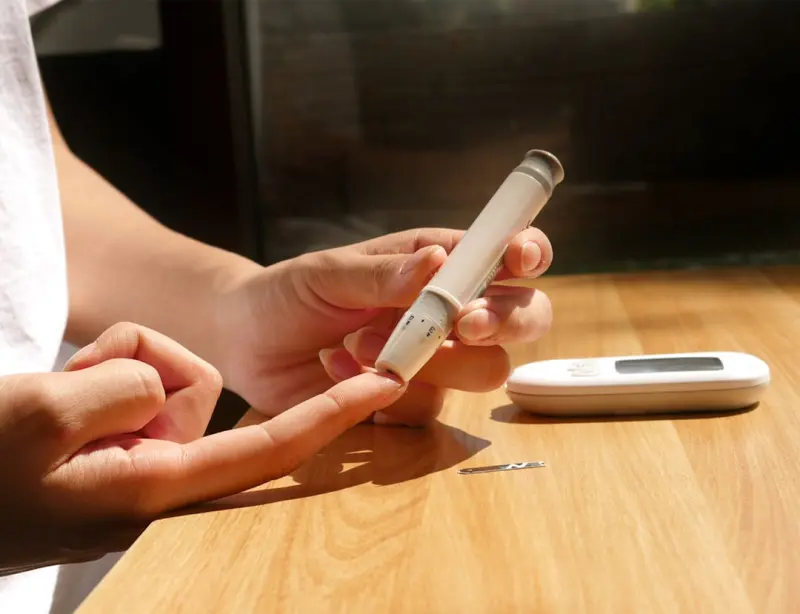
Modern wearables now offer continuous glucose monitoring (CGM) for non‑diabetic users. While a full‑blown CGM may be overkill for some, a simple finger‑stick test before critical meetings can reveal hidden dips.
- Pick a baseline. Test fasting glucose first thing in the morning; a typical range is 70‑100 mg/dL.
- Log the context. Note what you ate, your stress level, and the task you’re about to start.
- Spot the patterns. Do you consistently dip after a certain type of lunch? Does a morning coffee push your levels up?
Once you have a few weeks of data, you’ll start seeing the same kind of trends that we chase in quarterly sales reports.
Step 2: Align Your Work Calendar With Your Glucose Rhythm
Just as you would schedule high‑impact work when your team’s energy is highest, you can schedule your own high‑cognition tasks when your glucose is stable.
- Morning window (8 am‑11 am). For most people, fasting glucose is steady, and the first meal’s digestion is still underway. Use this time for deep work: writing, coding, strategic planning.
- Mid‑day buffer (12 pm‑2 pm). Expect a natural dip after lunch. Reserve this slot for meetings, admin, or collaborative brainstorming that benefits from a relaxed brain state.
- Afternoon surge (3 pm‑5 pm). A light snack with protein and healthy fats can create a second, modest glucose rise. Tackle any lingering tasks that need precision.
By matching task type to glucose rhythm, you turn a physiological challenge into a strategic advantage.
Step 3: Food Choices That Keep the Engine Running Smoothly
It’s not about eliminating carbs; it’s about choosing the right carbs and pairing them with proteins or fats to slow absorption.
- Low‑GI carbs. Whole grains, legumes, and most fruits raise glucose more gradually than white bread or sugary drinks.
- Protein‑fat pairing. Adding avocado, nuts, or a scoop of Greek yogurt to a carbohydrate meal can flatten the spike.
- Timing matters. A small, balanced snack (e.g., an apple with almond butter) 30 minutes before a high‑stakes call can prevent a sudden dip.
These tweaks feel like tiny experiments, but the cumulative effect on focus is profound.
Step 4: Optimize Your Environment to Support Glucose Stability
Our surroundings influence eating habits, stress levels, and consequently glucose. I recently read an article about Smart Spaces that highlighted how lighting and temperature affect neuro‑chemical balance. The same principles apply to blood‑sugar management.
- Lighting. Bright, natural light in the morning helps regulate cortisol, which in turn stabilizes glucose.
- Temperature. A comfortably cool office (around 68 °F) reduces metabolic stress, limiting unnecessary glucose spikes.
- Micro‑movement. Short walks or standing breaks every hour improve insulin sensitivity. Think of them as Micro‑Escapes for your metabolism.
When you design a workspace that respects these cues, you’re essentially building a physical “glucose‑friendly” zone.
Step 5: Leverage Hormonal Synergy
Glucose doesn’t exist in a vacuum. Hormones like cortisol, thyroid, and even estrogen modulate its impact on cognition. The piece on Hormonal Rhythms reminded me that aligning tasks with natural hormonal peaks amplifies results.
For example, cortisol peaks shortly after waking, supporting alertness. Pair this with a balanced breakfast to keep glucose stable and you get a double‑boost. Conversely, late‑afternoon cortisol dips can make you more prone to glucose crashes; that’s why a light, protein‑rich snack works wonders then.
Step 6: Build a Personal Glucose Playbook
Every body is unique, so treat your data like a living document. Here’s a template you can adapt:
Date | Time | Glucose (mg/dL) | Food | Task | Mood | Insight
-----|------|----------------|------|------|------|--------
After a month, review the sheet. Look for recurring “low‑performance” windows and test one variable at a time—swap a snack, shift a meeting, adjust lighting. Small wins accumulate into a resilient workflow.
Turning Insight Into Organizational Value
While the steps above focus on personal productivity, the same framework scales to teams:
- Team workshops. Share glucose‑aware scheduling tips and let members experiment with snack timing during sprints.
- Company wellness challenges. Offer optional CGM trials or a “Balanced Lunch” day, tracking collective focus scores.
- Data‑driven policy. Use aggregated (anonymous) glucose trends to inform break policies, cafeteria menus, and office design.
When employees feel that their physiological needs are respected, engagement and retention rise—no surprise there, but often overlooked.
Conclusion: From Crisis to Competitive Edge
Blood‑sugar management isn’t a fad diet; it’s a performance optimization tool. By treating glucose as a live KPI, you unlock a new layer of self‑awareness that translates directly into sharper decisions, smoother collaborations, and higher output.
So the next time you schedule that all‑hands presentation, ask yourself: Is my glucose ready to support it? If the answer is no, make a quick adjustment—grab a protein snack, step into natural light, or simply pause for a five‑minute stretch. Small, intentional actions become the secret sauce that keeps you operating at peak level, day after day.
Remember, the most valuable data you’ll ever collect isn’t on a spreadsheet; it’s flowing through your veins. Harness it, and watch your productivity chart climb.

Tom Ferguson is a Canadian freelance writer with a passion for storytelling, current events, and thoughtful commentary. Drawing on years of writing experience, he shares engaging insights on a wide range of topics, bringing a uniquely Canadian perspective to his work.
Related Posts
Seasonal Strategies to Naturally Manage Blood Sugar
Brandy Miller shares a fresh, season‑based approach to blood sugar management, blending local prod... Read More

Glucose Whispering: Tiny Daily Shifts That Keep Blood Sugar Calm
Learn how tiny daily tweaks—like syncing meals to your circadian rhythm, using strategic nutrient ... Read More

Gut Microbiome Mastery: A Fresh Path to Stable Blood Sugar
Explore the hidden link between gut health and glucose control, and learn actionable strategies—fi... Read More
Top Posts
Why Health Insurance Needs a Data-First Makeover
The post argues that health insurance must shift from opaque, one-size-fits-all contracts to a data‑first, personalized system. By using transparent dashboard...Read More

Smart Spaces: Crafting a Narcolepsy‑Friendly Home for Safety and Serenity
Learn how to transform your living space into a safe, supportive environment for narcolepsy, with tips on layout, lighting, furniture, tech tools, and daily rou...Read More

Designing Your Gut Landscape: A Fresh Guide to Microbial Mastery
Discover a city‑planning metaphor for gut health, with practical design principles, seasonal food strategies, and narrative‑based habits that cultivate a th...Read More

Resetting Your Body: Unconventional Paths to Natural Detox
Discover practical, evidence‑based techniques to support your body’s natural detox systems, including breathwork, mindful hydration, lymphatic flow, and sea...Read More
0 Comments
Post Comment
You will need to Login or Register to comment on this post!