
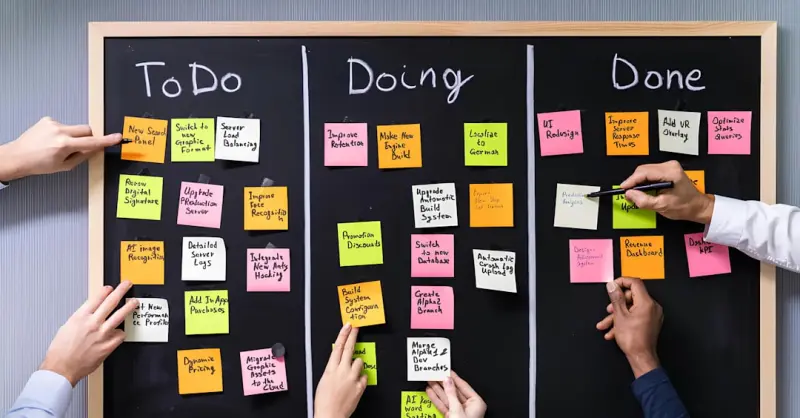
Why Treat Prediabetes Like a Design Sprint, Not a Diagnosis
When my doctor mentioned “prediabetes,” my first reaction was the usual—fear, a mental checklist of “no more carbs,” and a vague promise to try to be healthier. I’ve since realized that framing prediabetes as a static label does a disservice to the dynamic, problem‑solving mind I bring to every project at work. What if we approached those slightly elevated glucose levels the way we approach a product prototype: with curiosity, data, rapid iteration, and a clear endpoint?
In this post I’ll share how I turned a medical warning into a personal innovation sprint. By borrowing tools from design thinking, habit engineering, and a dash of bio‑feedback, I’ve been able to move the needle on my glucose numbers while preserving the creativity and energy that fuel my career.
The “Problem Statement” – Defining the Real Challenge
Traditional health advice often says: “Lower your sugar intake, exercise more, lose weight.” Those directives are valuable, but they’re also vague. In design, a problem statement is crystal‑clear, bounded, and user‑focused. So I asked myself:
- What specific outcomes do I want to see in the next 12 weeks?
- Which daily actions currently push my glucose the highest?
- How can I test changes quickly without overhauling my entire lifestyle?
My answer: Drop fasting glucose by at least 5 mg/dL while maintaining my weekly creative output. That gave me a measurable target, a timeline, and a non‑negotiable performance metric (my work output) that kept the project realistic.
Gathering the Data – Your Personal Glucose Dashboard
Just as a designer needs user research, I needed real numbers. I invested in a reliable continuous glucose monitor (CGM) that streamed data to my phone. Instead of letting the raw numbers overwhelm me, I built a simple dashboard using a spreadsheet that captured:
- Time of day
- Meal composition (carbs, protein, fat)
- Post‑meal glucose peak (5‑minute intervals)
- Activity performed (type, duration, intensity)
- Stress score (self‑rated 1‑10)
This “health‑UX” map revealed patterns that a yearly lab test would have missed. For example, a 30‑minute mid‑morning coffee break with a sugary latte spiked my glucose more than my evening dinner, and a 10‑minute breathing session after a sprint retro reduced the post‑lunch spike by roughly 7 mg/dL. Such insights are the goldmine that turns vague advice into actionable experiments.
Ideation: Generating Low‑Fidelity Experiments
With the data in hand, I entered the ideation phase—brainstorming a list of “quick wins” that required minimal friction. I used the classic How Might We… format to keep the ideas user‑centric (myself, the user):
- How might we replace the sugary latte with a cinnamon‑spiced almond milk latte that still feels indulgent?
- How might we integrate a 5‑minute movement micro‑break after every 90‑minute sitting block?
- How might we use visual cues (color‑coded plates) to remind us of macro ratios?
These “low‑fidelity prototypes” were deliberately simple—each could be implemented within a day and measured the next.
Prototyping & Testing – The Habit‑Stack Approach
To avoid the overwhelm of “big‑bang” lifestyle changes, I leveraged habit‑stacking principles. The idea: pair a new, health‑forward action with an existing, automatic cue.
For instance, after I logged into my project management tool (a daily habit), I would:
- Open the CGM app to glance at my current glucose.
- Choose a pre‑selected “glucose‑friendly” snack (a handful of walnuts) if the reading was above 95 mg/dL.
- Log the snack in my spreadsheet, completing the loop.
Within two weeks, I could see the cumulative effect: snack choices shifted from chips (average carb load 15 g) to nuts (average carb load 4 g), and fasting glucose dipped by 3 mg/dL.
Iterating Based on Real‑World Feedback
After a month of prototypes, I reviewed my dashboard. Some ideas didn’t move the needle, so I either refined or discarded them. A notable example:
- Failed Prototype: Replacing lunch with a “salad‑only” meal. Result: Mid‑day cravings spiked, leading to a 12‑hour glucose surge after an evening dessert.
- Successful Iteration: Adding a modest protein portion (grilled chicken) to the salad. Result: Smoother glucose curve and maintained satiety.
This rapid, data‑driven feedback loop mirrors the sprint cycles we use in product development—test, learn, adjust, repeat.
Scaling the Wins – From Micro to Macro Changes
When a micro‑change consistently shows benefit, it’s time to scale. The biggest levers I discovered were:
- Morning Routine Optimization – Swapping a sugary cereal for a protein‑rich Greek yogurt bowl, supplemented with cinnamon (a natural glucose‑modulating spice). This cut the post‑breakfast spike by ~9 mg/dL.
- Movement Integration – Implementing a 5‑minute dynamic stretching sequence every hour, not a separate workout. Studies show that even brief bouts of activity improve insulin sensitivity, and I experienced a measurable flattening of my glucose curves during work‑days.
- Stress Management Mini‑Rituals – A 3‑minute box‑breathing exercise before high‑stakes meetings shaved ~6 mg/dL off the stress‑induced glucose rise.
These macro adjustments didn’t feel like a diet or a workout regimen—they were small, measurable upgrades to my existing workflow, each with an immediate feedback signal from the CGM.
The Role of Nutrition: Not Just Counting Carbs
Many guides focus on “low‑carb” as the sole strategy, but my data taught me the importance of macro balance and timing. I incorporated principles of stable blood sugar that go beyond “less carbs”:
- Protein First – Including a protein source in every meal blunted glucose spikes.
- Fiber Boost – Adding soluble fiber (e.g., chia seeds, oats) slowed carbohydrate absorption.
- Healthy Fats – Avocado, nuts, and olive oil provided satiety and helped smooth post‑prandial peaks.
By treating meals as “performance meals”—fuel for cognitive work rather than mere sustenance—I kept my energy levels consistent while supporting glucose health.
Designing an Accountability System That Feels Like a Community
Design sprints rarely succeed in isolation; they need a supportive crew. I formed a small “health design circle” with two colleagues who also wanted to improve their metabolic health. Our weekly “check‑in” meetings mimicked sprint reviews:
- Share one data insight (e.g., a surprising glucose spike after a certain snack).
- Present a prototype that worked or didn’t.
- Vote on which idea to prioritize next week.
The shared accountability transformed a solitary health goal into a collaborative project, making the process both fun and socially reinforced.
Measuring Success: Beyond the Numbers
While the primary KPI was fasting glucose, I added secondary metrics to capture the holistic impact:
- Energy Stability Index – My self‑rated focus score (1‑10) measured at 9 am, noon, and 5 pm.
- Creative Output – Number of published articles and client deliverables per week.
- Sleep Quality – Hours of deep sleep logged by my wearable.
After 12 weeks, the results looked like this:
| Metric | Start | End | Change |
|---|---|---|---|
| Fasting Glucose (mg/dL) | 108 | 99 | -9 |
| Energy Stability (avg.) | 6.2 | 8.1 | +1.9 |
| Creative Articles Published | 3/mo | 5/mo | +2 |
| Deep Sleep (hours) | 5.8 | 6.7 | +0.9 |
All indicators moved in the right direction, reinforcing that the design sprint approach did not sacrifice performance—it enhanced it.
Future Directions – Scaling the Sprint to a Larger Audience
Having validated the prototype on myself, the next step is to package the process into a reusable framework for other professionals—especially those juggling demanding schedules. I envision a digital workbook that includes:
- Guided data‑capture templates.
- Idea‑generation prompts tailored to different work contexts.
- Pre‑built habit‑stack recipes.
- Community forum integration for peer reviews.
Think of it as a design‑thinking toolkit for metabolic health, ready to be deployed in corporate wellness programs, startups, or solo entrepreneurs.
Key Takeaways – Your Personal Pre‑diabetes Sprint Checklist
- Define a concrete, measurable goal. Numbers give direction.
- Collect granular data. CGM, food logs, activity trackers—let the data be your user research.
- Brainstorm low‑friction prototypes. Use “how might we” to keep ideas user‑centric.
- Apply habit‑stacking. Tie new health actions to existing daily cues.
- Iterate weekly. Review, refine, or discard based on real outcomes.
- Scale proven wins. Turn micro‑changes into macro lifestyle shifts.
- Build a community. Accountability groups turn a personal sprint into a shared mission.
When you treat prediabetes as a problem to solve rather than a sentence to endure, the journey becomes an arena for creativity, data‑driven decision‑making, and sustained performance.

Sarah Gray is a proud Canadian who calls Brampton home, where she lives with her husband, Paul. A passionate home cook and gifted storyteller, Sarah loves creating delicious recipes and sharing stories inspired by everyday life, family, and cherished experiences. When she isn't experimenting in the kitchen, she's busy crafting engaging content that reflects her warmth, creativity, and love of connection. Above all, Sarah treasures time spent with her grandchildren, embracing every opportunity to create lasting memories with the people she loves most.
Related Posts

Turning Prediabetes Into a Team Sport: Gamify Your Path to Health
Discover a fresh, game‑based approach to prediabetes that leverages social competition, smart envi... Read More
Reimagining Everyday Choices: A Fresh Take on Prediabetes Prevention
A practical guide that blends mindset shifts, culinary creativity, smart movement, and subtle data u... Read More

Reclaiming Heritage: How Cultural Cooking Can Transform Prediabetes
A fresh take on prediabetes: use your cultural dishes as a foundation for metabolic health by swappi... Read More
Top Posts

Chrono‑Smart Living: Light, Food, and Breath as Longevity Levers
A practical guide to chrono‑smart living: using sunrise light, timed nutrition, and breathwork to harmonize your circadian rhythm and boost longevity....Read More
Rewiring Evening Cues: A Personal Blueprint to Calm Insomnia
A fresh, hands‑on guide shows how adjusting light, temperature, scent, sound, and nightly storytelling can transform restless nights into restorative sleep....Read More

Beyond Cleanse: Harnessing Everyday Habits for Deep Cellular Detox
This post redefines detox by focusing on consistent, low‑stress habits—micro‑movement, breathwork, purposeful hydration, gut‑friendly foods, and light t...Read More

Social Sync: How Shared Habits Can Quiet Your Blood Pressure
Learn to manage blood pressure through community support, habit stacking, gamified tracking, and intentional food pairings, turning everyday moments into powerf...Read More
0 Comments
Post Comment
You will need to Login or Register to comment on this post!