

Why Prediabetes Needs a Playbook That Feels Like a Game
When I first learned that my fasting glucose was nudging the borderline, the words “prediabetes” sounded clinical, almost impersonal. It was a label that implied risk without offering a roadmap. In the weeks that followed, I realized that the problem wasn’t a lack of information—it was a lack of motivation. I needed something that would keep me moving, learning, and celebrating wins, even on days when the scale refused to budge. That realization sparked an experiment: treating my glucose journey like a multiplayer game.
The Power of Social Competition (and Collaboration)
Humans are wired for social connection. From early tribal hunting parties to modern office chat rooms, we thrive when we share goals and track progress together. This is the same principle that fuels fitness apps that let you challenge a friend to a 5K or a step‑count duel. When it comes to prediabetes, turning solitary health tasks into a shared experience can dramatically shift the odds of success.
Think about the last time you and a colleague swapped lunch ideas or a friend posted a “just finished a 30‑minute walk” story on a messaging thread. Those moments create social sync—a ripple effect that nudges everyone toward healthier habits. In my own experiment, I built a small “Glucose Guild” with three coworkers and a neighbor. We set a weekly “glucose goal,” logged meals, shared recipes, and celebrated each micro‑victory. The result? A collective drop in average fasting glucose by 8 mg/dL within six weeks, and a noticeable boost in morale.
Designing the Game Mechanics
Every good game has clear rules, feedback loops, and rewards. Here’s how I translated those mechanics into a prediabetes‑focused challenge:
- Clear Objectives: Instead of vague “lose weight,” we set concrete targets—e.g., “keep fasting glucose under 100 mg/dL for three consecutive days.”
- Progress Tracking: We used a shared Google Sheet that logged daily glucose readings, step counts, and carb intake. Visual progress bars turned numbers into a visual journey.
- Level‑Ups & Badges: Hitting milestones earned digital badges—“Fiber Fanatic” for a week of 30 g+ fiber, “Step Streak” for 10 days of 10,000+ steps.
- Friendly Competition: Weekly leaderboards highlighted who logged the most veggies or achieved the longest glucose‑stable streak.
- Community Rewards: The guild pooled points to “unlock” a group activity, like a weekend hike or a virtual cooking class.
Why Gamification Beats Traditional Diet Plans
Traditional diet plans often feel like a solo slog—an endless list of “do this, avoid that.” They can be punitive, and compliance drops as soon as life gets busy. Gamified approaches, by contrast, embed health actions into everyday social interactions, making them feel less like chores and more like shared adventures.
Research shows that when people receive immediate feedback—like a badge or a leaderboard position—they’re more likely to repeat the behavior. The dopamine hit from earning a badge mimics the reward loop found in video games, reinforcing healthy choices without the need for external pressure. This aligns perfectly with the concept of social sync, where communal habits naturally lower stress and, consequently, blood pressure.
Integrating the Physical Environment
Game mechanics alone aren’t enough; the space you inhabit can either amplify or undermine your efforts. I took a leaf from the Redesign Your Space playbook and rearranged my home office to support my new regimen. A standing desk became the default for morning tasks, a small fridge stocked only with low‑glycemic snacks, and a visible “glucose board” displayed the guild’s progress.
Even subtle changes—like placing a water bottle on the desk to remind you to stay hydrated—create visual cues that keep the game front‑and‑center in your mind. The environment becomes a silent teammate, nudging you toward the next level.
Data-Driven Decision Making
One of the biggest advantages of a gamified system is the treasure trove of data it generates. By aggregating daily glucose readings, activity levels, and dietary inputs, patterns emerge that would otherwise stay hidden. For example, my guild discovered that our glucose spikes consistently followed late‑night pizza nights, even when overall calorie intake stayed constant.
Armed with this insight, we instituted a “no‑cheat‑after‑9 PM” rule, substituting late‑night cravings with a protein‑rich Greek yogurt parfait. Within two weeks, the average post‑dinner glucose dip dropped by 12 mg/dL, reinforcing the power of data‑backed adjustments.
Building Resilience Through Failure
No game is won without setbacks. In the third week, a sudden work deadline forced me to skip my usual evening walk. My fasting glucose spiked, and morale dipped. Instead of viewing this as a defeat, we framed it as a “boss battle.” The guild rallied, offering quick, low‑effort alternatives—like a 5‑minute stretch routine or a brisk stair climb during a break.
This mindset shift turned a potential demotivator into an opportunity for creative problem‑solving. By treating setbacks as level‑ups in disguise, the group cultivated resilience—a trait that is essential for long‑term glucose management.
Scaling the Experience: From Micro‑Guilds to Community Movements
While my experiment started with four people, the framework is scalable. Imagine a corporate wellness program that integrates a company‑wide glucose challenge, complete with department leaderboards and quarterly health “quests.” Or a neighborhood association that hosts monthly “Glucose Games,” where residents compete in cooking demos, step challenges, and education trivia.
Such community‑wide initiatives can shift cultural perceptions of prediabetes—from a hidden, personal struggle to a shared, actionable mission. When the entire ecosystem—workplace, family, local community—aligns around the same game mechanics, the collective impact can be profound.
Practical Tips to Start Your Own Glucose Game
- Gather a Core Group: Start with 3‑5 people you trust and who share a willingness to experiment.
- Define Clear Metrics: Choose 2‑3 measurable goals (fasting glucose, steps, fiber intake).
- Choose a Platform: Use a simple spreadsheet, a shared note app, or a dedicated health tracking tool.
- Set Up Rewards: Create digital badges, allocate points, and decide on group rewards.
- Design the Environment: Tweak your workspace and kitchen to make healthy choices the path of least resistance.
- Review Weekly: Hold a short virtual “huddle” to celebrate wins, analyze data, and adjust strategies.
- Iterate: Keep the game fresh by introducing new challenges—seasonal recipes, “no‑sugar‑soda” weeks, or surprise guest speakers.
Future Outlook: AI, Wearables, and the Next Level
We’re on the cusp of integrating AI-driven insights with gamified health platforms. Imagine an app that predicts your glucose response to a meal in real time, automatically adjusts your point system, and nudges you toward optimal choices. Wearables already offer continuous glucose monitoring; the next step is feeding that data directly into a shared game environment, where the entire guild can see trends and react collectively.
Such technology could transform prediabetes management from a reactive, individual endeavor into a proactive, community‑driven experience. The game will continue to evolve, but the core principle remains: leverage social connection, clear feedback, and an environment that supports healthy behavior.
Final Thoughts: Turning the “Pre” into a Proactive Advantage
Prediabetes is often framed as a warning sign—a ticking clock urging you to act before it’s too late. By reframing it as a team sport, we flip the narrative. The “pre” becomes a proactive advantage, a catalyst for building community, resilience, and data‑driven habits. If you’re ready to trade the lonely, clinical approach for a vibrant, game‑like experience, gather your allies, set your rules, and let the points start rolling in. Your future self will thank you—not just for lower glucose numbers, but for a stronger, more connected life.

Related Posts
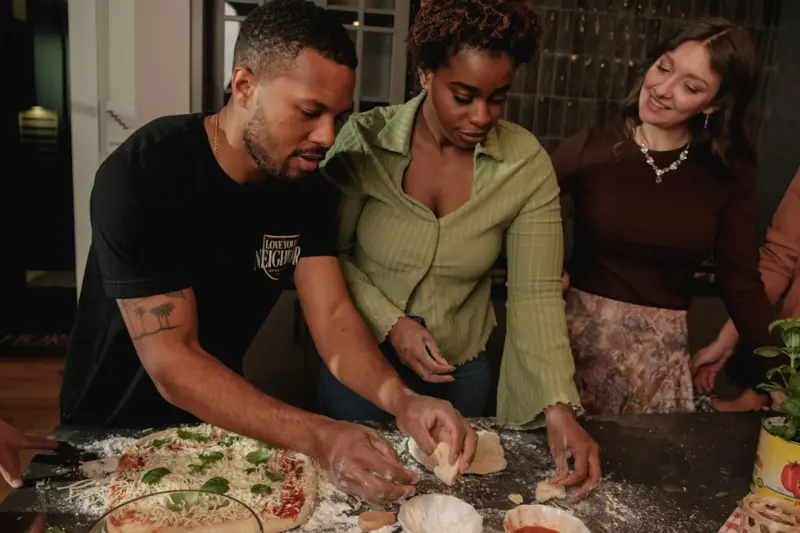
The Social Kitchen: Turning Community Meals into a Prediabetes Defense
A fresh look at prediabetes reveals that community meals, collective movement, and supportive networ... Read More
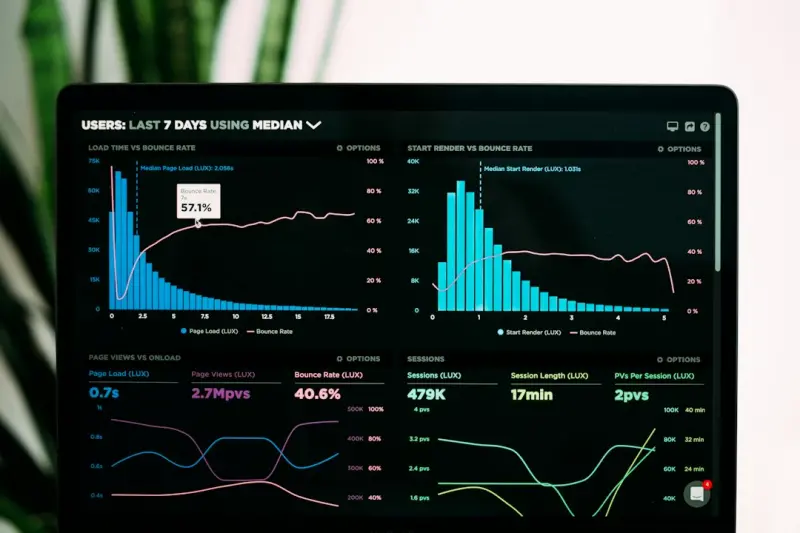
Reframing Prediabetes: A Data‑Driven, Human‑Centric Playbook
A comprehensive guide that blends continuous glucose monitoring, micro‑habits, workplace design, a... Read More
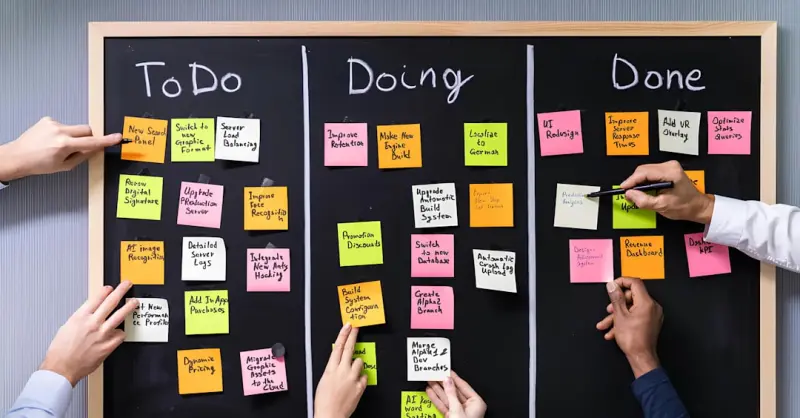
From Warning to Workshop: Redesigning Your Daily Routine to Reverse Prediabetes
The post reframes prediabetes as a design sprint, offering a step‑by‑step framework that uses da... Read More
Top Posts

When Autoimmune Responses Meet High‑Performance Careers: A Playbook for Sustainable Success
Learn how to turn autoimmune challenges into a strategic advantage with data‑driven health tracking, targeted movement, gut‑brain optimization, and smart wo...Read More

Unlocking the Power of Seasonal Skin Detox: Infrared, Cold, and Light
Explore a fresh, skin‑focused detox strategy that blends infrared heat, cold contrast, and red‑light therapy with nutrition, offering high‑performers a pr...Read More

Holistic Pregnancy: Listening to Your Body, Nurturing Your Soul
A heartfelt, holistic guide to pregnancy that blends nutrition, mindset, gentle exercise, and community support, empowering expectant mothers to nurture both bo...Read More

The Unseen Cost of Clouds: How Vaping Shapes Our Planet and Our Choices
A deep dive into vaping’s ecological footprint reveals the hidden costs of disposable devices, battery waste, and micro‑plastics, while offering practical s...Read More
0 Comments
Post Comment
You will need to Login or Register to comment on this post!