
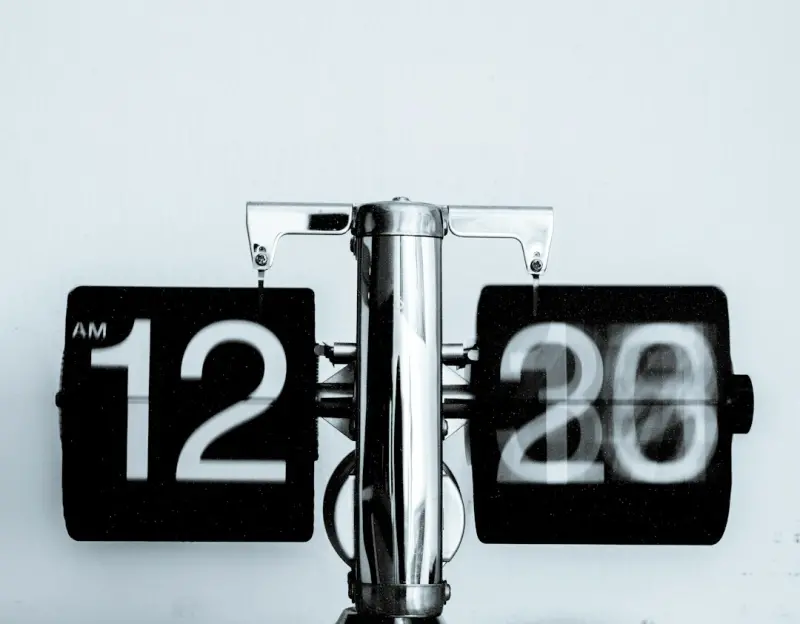
Chronotype Alignment: How Syncing with Your Internal Clock Can Extend Your Healthspan
When I first started tracking my sleep patterns, I thought I was just chasing better mornings. What I discovered, however, was a deeper conversation my body was having with me—a conversation about time, rhythm, and the subtle ways those forces shape the quality and length of our lives. This isn’t about the latest supplement or a trendy diet; it’s about honoring the biological tempo that has been hard‑wired into every cell since the dawn of our species.
The Science Behind the Clock
Every living organism carries an internal timekeeper called the circadian rhythm. It regulates hormone release, body temperature, metabolism, and even DNA repair mechanisms. When we live out of sync—staying up late, sipping coffee at midnight, or forcing a 9‑to‑5 schedule on a night‑owl—the mismatch creates a cascade of stress signals. Over years, that stress can accelerate cellular aging, impair immune function, and increase the risk of chronic diseases.
Recent research shows that aligning daily activities with your natural chronotype can:
- Boost mitochondrial efficiency, the powerhouses that keep cells alive.
- Enhance the timing of autophagy, the cellular “clean‑up” process that removes damaged proteins.
- Stabilize cortisol rhythms, reducing chronic inflammation.
- Improve sleep quality, which in turn sharpens cognition and emotional resilience.
Finding Your Personal Chronotype
Most people fall into one of three broad categories: morning larks, evening owls, and intermediate types. The simplest way to identify yours is by observing when you naturally feel most alert and when you feel the urge to wind down, without the influence of alarms or caffeine.
Try this quick self‑audit for a week:
- Note the time you first feel truly awake after waking up (not just “eyes open”).
- Record the time you feel a slump in energy during the day.
- Track when you start craving sleep, even if you haven’t technically reached your bedtime.
When you map these points, a pattern emerges. Morning types will notice peak alertness in the early hours, a dip around noon, and a gentle decline after 5 p.m. Evening types experience a late‑day surge and may not feel sleepy until after midnight. Intermediate types have a more balanced curve.
Designing a Chronotype‑Friendly Day
Once you know your rhythm, you can start to restructure key lifestyle pillars—nutrition, movement, work, and social interaction—to match. Below are practical tweaks that don’t require a complete life overhaul.
Nutrition in Sync
Our digestive system is also governed by circadian cues. Enzymes that break down carbs, proteins, and fats peak at specific times. Eating a heavy meal late at night can throw off this balance, leading to impaired glucose tolerance and increased oxidative stress.
Consider data‑driven nutrition strategies that align your macro‑ and micronutrient intake with your internal clock. For morning chronotypes, a protein‑rich breakfast can capitalize on the early surge in cortisol, supporting muscle repair and satiety. Evening types might benefit from a lighter, plant‑forward dinner, focusing on foods that promote melatonin production, such as walnuts, cherries, and leafy greens.
Movement Timing
Physical activity is another powerful zeitgeber—an external cue that resets internal clocks. Research indicates that high‑intensity workouts in the late afternoon boost cardiovascular performance, while moderate morning exercise can enhance mental clarity.
Tailor your exercise routine to when your body feels naturally primed:
- Morning larks: Light cardio or yoga upon waking to awaken muscles and set a positive hormonal tone.
- Evening owls: Strength training or interval sessions in the early evening when core temperature peaks, maximizing power output.
- Intermediates: Mix and match—perhaps a brisk walk at lunch and a gentle stretch before bed.
Work and Focus
Most modern workplaces operate on a 9‑to‑5 schedule, but the science of “chronotype‑aligned work” suggests you can boost productivity and reduce mental fatigue by matching demanding tasks to your peak mental windows.
Try the following:
- Schedule creative or strategic projects during your natural high‑energy phase.
- Reserve routine tasks (checking email, filing) for the mid‑day slump when focus wanes.
- Implement a short, intentional break (5‑10 minutes) around the time your energy dips to reset focus.
Social Rhythm
Human connection is a subtle but potent time cue. Regular, predictable social interactions—whether a weekly coffee catch‑up or a nightly family dinner—help reinforce circadian stability. For those who struggle with isolation, especially remote workers, establishing a “social anchor” can serve as a daily reminder to step away from screens and engage in real‑world dialogue.
Technology as an Ally, Not a Disruptor
Wearable devices now offer real‑time insight into your sleep stages, heart rate variability, and even skin temperature—metrics that reflect circadian alignment. Use these tools to fine‑tune your routine, but avoid the trap of over‑monitoring. The goal is to create habits that feel natural, not to chase numbers for their own sake.
Integrating Seasonal Shifts
While we’ve spoken about daily rhythms, there’s also a broader, seasonal rhythm that influences longevity. As daylight lengthens and shortens, hormone production adjusts accordingly. Embracing these larger cycles—by spending more time outdoors in summer or creating a cozy, low‑light environment in winter—can further support your internal clock.
For ideas on how to sync your lifestyle with nature’s rhythms, explore practices like light therapy, seasonal produce rotation, and mindful outdoor movement.
Why Chronotype Alignment Matters for Longevity
Longevity isn’t merely about adding years; it’s about adding quality to those years. When our bodies operate in harmony with their innate timing, we experience:
- Reduced chronic inflammation, a known driver of age‑related diseases.
- Enhanced DNA repair and telomere maintenance, the molecular markers of cellular age.
- Improved mental health outcomes, including lower rates of depression and anxiety.
- Greater metabolic flexibility, helping the body efficiently switch between fuel sources.
In practice, this translates to fewer doctor visits, a sharper mind, and a body that bounces back faster from stressors.
Getting Started: A 30‑Day Chronotype Challenge
To make this concept actionable, I’ve designed a simple 30‑day challenge that blends self‑observation with incremental habit changes:
- Week 1 – Observation: Log sleep, meals, energy peaks, and mood. Use a notebook or a digital app.
- Week 2 – Light Management: Increase morning sunlight exposure (10 minutes outdoors) and dim lights after sunset.
- Week 3 – Meal Timing: Shift your largest meal to align with your natural energy high. Keep evening meals light.
- Week 4 – Movement Integration: Schedule at least two exercise sessions that correspond with your peak alertness.
At the end of the month, compare your baseline metrics with your current state. You’ll likely notice improved sleep latency, steadier energy, and perhaps even a subtle lift in mood.
Final Thoughts
Our bodies are exquisite timepieces, and when we respect their cadence, we unlock a powerful lever for health and longevity. It’s not about forcing yourself into a rigid schedule; it’s about listening, experimenting, and gently nudging daily habits toward the rhythm that feels innately yours. The payoff? A life that feels lighter, sharper, and—most importantly—longer.

Sarah Gray is a proud Canadian who calls Brampton home, where she lives with her husband, Paul. A passionate home cook and gifted storyteller, Sarah loves creating delicious recipes and sharing stories inspired by everyday life, family, and cherished experiences. When she isn't experimenting in the kitchen, she's busy crafting engaging content that reflects her warmth, creativity, and love of connection. Above all, Sarah treasures time spent with her grandchildren, embracing every opportunity to create lasting memories with the people she loves most.
Related Posts
Learning as Longevity: Harnessing Neuro‑Hormesis for a Healthier Future
By treating learning as a deliberate, neuro‑hormetic stressor, you can activate BDNF, improve insu... Read More
Rethinking Longevity: The Power of Adaptive Rhythm in Modern Workflows
A data‑driven approach to longevity that blends adaptive work rhythms, micro‑variability, and pu... Read More
Beyond the Clock: How Purposeful Connections Extend Your Healthspan
Strong relationships are a hidden lever for longevity. This article explores the science behind soci... Read More
Top Posts

Reimagining Women’s Health at Work: From Period Pods to Personalized Wellness
A fresh look at how companies can transform employee well‑being by integrating period‑positive workspaces, gut health initiatives, and personalized data ins...Read More

Breathing New Life into Sleep Apnea Management
Explore a fresh, breath‑focused approach to sleep apnea that blends simple techniques, lifestyle tweaks, and modern tracking to boost nightly recovery and ove...Read More

Boost Your Baby’s Immunity in the First Year
A practical guide for new parents on nurturing a resilient immune system in infants during the critical first year, covering diet, sleep, vaccines, and toxin‑...Read More
Nature’s Classroom: How Outdoor Immersion Supercharges Your Brain
Explore the science behind forest immersion and learn actionable steps to harness nature’s neurogenic benefits for sharper focus, deeper creativity, and lasti...Read More
0 Comments
Post Comment
You will need to Login or Register to comment on this post!