
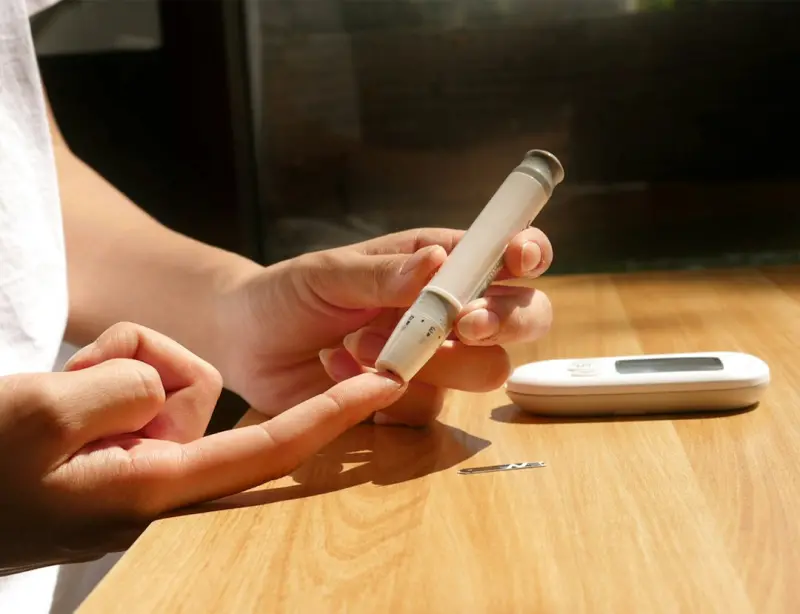
Why Traditional Glucose Advice Isn’t Cutting It Anymore
For years we’ve been handed the same bland script: count carbs, eat more veggies, and trust the occasional finger‑prick. It works…until it doesn’t. The reality is that blood‑sugar dynamics are a living, breathing system that reacts to stress, sleep, hormones, and even the digital noise in our lives. If you’ve ever felt a “crash” after a perfectly balanced meal, you know the old rules are missing something crucial.
What if you could see those hidden drivers in real time, adjust on the fly, and finally stop the roller‑coaster? That’s the promise of a data‑first, habit‑centric approach—one that treats glucose not as a static number but as a conversation you have with your body every minute of the day.
The Under‑Explored Triggers Behind Sugar Swings
Most of us think of blood sugar as a simple math problem: carbs in, insulin out. In practice, it’s far messier. Here are three often‑overlooked culprits that can send your glucose off‑track:
- Chronically low‑grade stress. Even if you’re not “stressed out,” the cumulative effect of emails, meetings, and background noise can elevate cortisol, nudging glucose upward.
- Gut‑brain signaling. The microbes in your intestine produce metabolites that can either calm or stimulate insulin release. A diet high in processed foods can tip the balance toward spikes.
- Posture and movement micro‑patterns. Sitting for hours reduces muscle glucose uptake, while brief bouts of standing or light stretching can act like a natural insulin booster.
Understanding these layers means you can intervene before the spike, not after.
Turning Your Kitchen Into a Real‑Time Lab
Imagine being able to watch how a handful of berries, a cup of coffee, or a short walk affect your glucose within seconds. The technology exists, and it’s becoming affordable enough for everyday use. By pairing a continuous glucose monitor (CGM) with a smart‑phone app, you get a live feed of your metabolic response.
But raw numbers are only half the story. The magic happens when you overlay those readings with contextual data—what you ate, how you felt, and what you were doing. This is where personalized nutrition analytics shine. The platform can automatically tag meals, detect patterns, and suggest micro‑adjustments, like swapping a high‑glycemic snack for a low‑glycemic alternative that still satisfies cravings.
Building a Personal Glucose Dashboard
Most people look at their CGM data in isolation, scrolling through a sea of spikes and valleys. A well‑designed dashboard, however, aggregates three essential streams:
- Glucose trend lines. See the direction over the past 24‑48 hours, not just isolated peaks.
- Activity & posture overlays. Correlate standing time, steps, or a quick 5‑minute stretch with glucose dips.
- Emotional & stress markers. Many modern apps let you log mood or use heart‑rate variability as a stress proxy; linking that to glucose can reveal hidden stress‑induced spikes.
When these layers speak to each other, you can spot the exact moment a stressful call caused a rise, or a post‑lunch walk flattened a potential spike. Over time, the dashboard becomes a personal research lab, letting you test hypotheses like “Does a 10‑minute walk after lunch keep my afternoon stable?”
Lifestyle Levers That Actually Move the Needle
Armed with live data, you’ll notice which habits truly matter. Below are the top three evidence‑backed actions that consistently flatten glucose curves, even for people who already “eat right.”
- Micro‑movement bursts. Set a timer to stand and do 30 seconds of body‑weight squats every hour. Those brief muscle contractions improve glucose uptake without needing a full gym session.
- Targeted protein‑pairing. Pairing carbs with a modest amount of high‑quality protein (e.g., a boiled egg with toast) slows gastric emptying, reducing the speed of glucose absorption.
- Strategic “low‑glycemic windows.” Choose a 4‑hour block each day where you deliberately avoid high‑glycemic foods. Your body learns to rely more on fatty acid oxidation during that window, improving overall insulin sensitivity.
These aren’t lofty lifestyle overhauls; they’re tiny adjustments you can embed into a typical workday.
The Power of Community Metrics
Human beings are wired for connection, and when it comes to metabolic health, community data can be a catalyst. Platforms that let you share anonymized glucose trends with peers create a feedback loop of accountability and inspiration. Seeing a colleague’s successful “post‑lunch walk” experiment often nudges you to try it yourself.
Community dashboards also surface collective insights. For instance, a group of remote workers might discover that a shared 15‑minute “stretch break” at 2 p.m. consistently reduces afternoon spikes across the board. That’s the kind of emergent knowledge you can’t get from isolated self‑tracking.
A 30‑Day Action Plan to Stabilize Your Sugar
Ready to put theory into practice? Here’s a step‑by‑step blueprint that leverages real‑time data, micro‑movement, and community support.
- Week 1 – Baseline Mapping. Wear a CGM continuously. Log meals, stress levels, and posture without trying to change anything. Use the dashboard to identify your top three spike triggers.
- Week 2 – Targeted Interventions. Choose one trigger (e.g., post‑lunch slump). Introduce a micro‑movement burst right after lunch and pair carbs with protein. Track the impact.
- Week 3 – Community Sync. Join a local or online group focused on glucose stability. Share one successful tweak and adopt one suggestion from a peer.
- Week 4 – Optimization Loop. Combine data from the first three weeks. Adjust timing, intensity, or food choices based on what the dashboard shows. Celebrate the days you stay within your personalized glucose “sweet spot.”
At the end of the month, you’ll have a data‑driven playbook tailored to your unique physiology, not a generic diet plan.
Future‑Facing Tools That Are Already Here
Beyond CGMs, emerging tools are making the data loop tighter. For example, data‑driven health monitoring platforms now integrate blood‑oxygen, heart‑rate variability, and even skin temperature to predict glucose trends before they happen. When these signals converge, the system can suggest a pre‑emptive action—like a short breathing exercise—to blunt an anticipated spike.
While the tech is still evolving, the core principle remains the same: you are the central analyst, using a suite of live metrics to make micro‑decisions that add up to macro‑results.
Closing Thoughts: From Reactive to Proactive Glucose Management
Managing blood sugar doesn’t have to be a game of chance. By treating glucose as a conversation—listening, responding, and iterating—you move from reactive fixes to proactive mastery. The combination of continuous monitoring, contextual analytics, and community wisdom creates a feedback ecosystem that can transform everyday health.
If you’ve ever felt trapped by “highs and lows,” consider this your invitation to step into a new paradigm. Your body is already sending the data; all you need is the right lens and the willingness to experiment.

Craig Brett is a freelancer with a passion for the outdoors. His love for nature inspires his work, bringing authentic and engaging perspectives to projects related to outdoor activities, adventure, and environmental topics.
Related Posts
Turning Data Into Glycemic Gold: Build a Personal Dashboard for Blood Sugar Mastery
A practical guide to designing a real‑time blood‑sugar dashboard that integrates CGM data, activ... Read More
Gut‑Driven Glucose: Harnessing Your Microbiome to Stabilize Blood Sugar
A deep dive into how the gut microbiome shapes glucose metabolism, with actionable diet, timing, and... Read More

The Personal Blood‑Sugar Command Center: Turning Data Into Daily Wins
Learn how to create a personal blood‑sugar command center that integrates continuous glucose monit... Read More
Top Posts

Brain‑Muscle Sync: Unlock Faster Muscle Gain
Learn how to enhance muscle growth by training the brain‑muscle connection, optimizing gut health, and incorporating mental reset techniques for faster, susta...Read More

Chronotype Alignment: Harnessing Your Body’s Clock for a Longer, Healthier Life
Learn practical ways to identify your chronotype, align nutrition, movement, work, and social routines with your internal clock, and unlock lasting health benef...Read More

Beyond the Cloud: Crafting a Smarter Vaping Routine for Busy Professionals
A practical guide for executives on using vaping strategically—covering flavor chemistry, sustainability, data tracking, and wellness integration—to boost f...Read More

When Food Becomes Medicine: Community Cooking as a Game‑Changer for Prediabetes
A fresh approach to prediabetes: learn how gathering friends for creative, spice‑rich meals builds social support, reduces stress hormones, and creates lastin...Read More
0 Comments
Post Comment
You will need to Login or Register to comment on this post!