
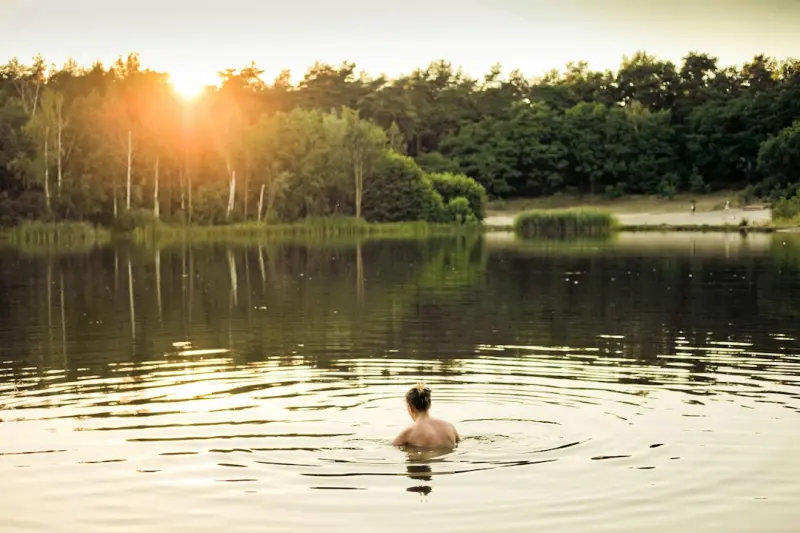
Rediscovering the Forest: Why Seniors Are Turning to Nature’s Healing Embrace
When I first heard the term “forest bathing” (shinrin‑yoku) whispered in a quiet park, I imagined a spa day with scented candles and soft music. What I discovered instead was a movement that invites people—especially seniors—to step out of the hustle of modern life and literally soak in the atmosphere of trees, moss, and fresh air. This isn’t a whimsical trend; it’s a science‑backed practice that offers a suite of physical, mental, and social benefits perfectly tuned for the unique needs of older adults.
The Science Behind the Trees
Researchers in Japan, Scandinavia, and the United States have been studying shinrin‑yoku for decades. Their findings consistently show that spending just 20‑30 minutes in a forest environment can lower cortisol, reduce blood pressure, boost natural killer cell activity, and improve heart‑rate variability—all markers of a resilient, youthful physiology. For seniors, whose bodies are naturally shifting toward a slower metabolic rhythm, these subtle yet powerful shifts can mean the difference between thriving and merely surviving.
But why do trees have this effect? Two key mechanisms are at play:
- Phytoncides: These are volatile organic compounds released by trees as a natural defense against insects and disease. When inhaled, they act as antioxidants, neutralizing free radicals that contribute to chronic inflammation—a major driver of age‑related conditions.
- Biophilic Response: Humans have an innate affinity for natural patterns, colors, and sounds. Engaging this deep‑seated response calms the autonomic nervous system, encouraging a parasympathetic “rest‑and‑digest” state.
Beyond the Physical: Cognitive and Emotional Gains
While the cardiovascular perks are compelling, the mental uplift that seniors report is often the most transformative. A recent meta‑analysis of 18 forest‑based studies found that participants over 60 experienced measurable improvements in attention, working memory, and mood stability after just a handful of outings.
This aligns with emerging research on the gut‑brain connection. The microbiome, nurtured by fresh air and diverse environmental microbes, sends signals that enhance neuroplasticity—the brain’s ability to rewire itself. In practical terms, seniors who regularly practice forest bathing may find it easier to learn new skills, remember appointments, and maintain a sharper sense of humor.
How to Start a Safe, Enjoyable Forest Routine
Starting a forest‑bathing habit doesn’t require a wilderness guide or a multi‑day trek. Here’s a step‑by‑step blueprint that respects the mobility, health, and comfort considerations of older adults:
- Choose the Right Spot: Look for local parks, arboretums, or nature preserves with well‑maintained paths. Many municipalities have “senior‑friendly” trails with gentle grades and frequent benches.
- Dress for Comfort: Layered clothing, sturdy slip‑resistant shoes, and a lightweight rain jacket keep you prepared for shifting weather without overheating.
- Set a Gentle Pace: Aim for a slow, mindful walk—think “stroll, not sprint.” The goal is to engage senses, not to rack up steps.
- Engage All Five Senses: Notice the scent of pine, the rustle of leaves, the texture of bark under your fingertips, the dappled sunlight on your face, and the chorus of birdsong.
- Practice Breath Awareness: Inhale deeply through the nose, allowing the forest’s fresh, phytoncide‑rich air to fill the lungs. Exhale slowly, releasing tension.
- Bring a Companion: Walking with a friend, family member, or a senior‑focused walking group adds social connection—a potent antidote to loneliness.
- Document the Experience: Jot down a few observations afterward—a vivid color, a feeling of calm, or a new insight. This reinforces the mental benefits and creates a personal archive of wellness moments.
Integrating Movement for Maximum Impact
While the forest’s ambience does the heavy lifting for stress reduction, gentle movement amplifies the health return. Studies highlighted in how movement shapes your mind reveal that low‑impact activities like Tai Chi, walking meditation, or even light stretching while seated on a park bench can further boost neurochemical balance.
For seniors, consider adding these micro‑movement practices into the forest routine:
- Tai Chi Flow: Perform a few flowing sequences beside a quiet stream. The slow, deliberate motions synchronize breath and balance, reducing fall risk.
- Tree‑Pose Balance: Stand near a sturdy trunk, lift one foot, and hold for 10 seconds. Alternate sides. This simple balance drill strengthens ankle stabilizers.
- Seated Stretch Circle: Gather with a small group, sit on a blanket, and guide a 5‑minute stretch routine focusing on the neck, shoulders, and hips.
Social Synergy: Turning Forest Outings into Community Builders
Loneliness is a silent epidemic among seniors, linked to higher rates of depression, cognitive decline, and even mortality. Forest bathing offers a natural platform for social interaction that feels purposeful rather than forced. Many senior centers now organize “Nature Walk Wednesdays,” pairing volunteers with older adults for guided explorations.
These outings can be structured around themes—“Tree Identification,” “Birdsong Bingo,” or “Seasonal Photo Challenges”—that encourage conversation, shared learning, and laughter. The result is a micro‑community where participants feel seen, heard, and valued, while simultaneously reaping the physiological benefits of the forest.
Addressing Common Concerns
Safety and Mobility: Choose flat, well‑marked trails and consider using a walking stick or a portable seat. Many parks offer wheelchair‑accessible paths, allowing those with limited mobility to participate fully.
Allergies and Respiratory Issues: While phytoncides are beneficial, individuals with severe pollen allergies should monitor symptoms and perhaps schedule outings during low‑pollen seasons. For those with chronic obstructive pulmonary disease (COPD), short, shallow walks with frequent breaks are advisable.
Weather Variability: Forest bathing is adaptable. In colder months, bundle up and focus on the crispness of the air; in summer, seek shaded groves and hydrate regularly.
Measuring Success: Simple Metrics for Seniors
One of the joys of this practice is its accessibility—no expensive equipment is required. Seniors can track their progress using a basic journal or a smartphone app:
- Frequency: Note the number of forest visits per week.
- Duration: Record how many minutes you spend immersed.
- Mood Rating: Use a 1‑10 scale to capture pre‑ and post‑walk emotional states.
- Physical Markers: Keep an eye on blood pressure, resting heart rate, and sleep quality. Even modest improvements can signal a meaningful shift.
Case Study: A Grandfather’s New Lease on Life
Take the story of Harold, a 78‑year‑old retired carpenter who began weekly forest walks with his grandson. Within three months, Harold reported a noticeable decline in joint stiffness, clearer mental focus, and a renewed enthusiasm for gardening. His physician noted a modest reduction in systolic blood pressure and praised his commitment to a low‑impact, nature‑based routine.
Harold’s experience underscores a broader truth: when seniors engage with the natural world in a mindful, movement‑integrated way, the benefits ripple through physical health, cognitive vitality, and emotional well‑being.
Practical Tips for Caregivers and Family Members
If you’re supporting an older loved one, consider the following:
- Plan Together: Co‑create a weekly schedule that respects their energy levels.
- Provide Transportation: Offer rides to nearby nature spots or arrange a community shuttle service.
- Equip Them: A lightweight backpack with water, a snack, a sun hat, and a small first‑aid kit can boost confidence.
- Celebrate Milestones: Acknowledge each completed walk with a simple celebration—perhaps a fresh fruit salad or a photo collage of the day’s highlights.
Future Directions: Technology Meets the Trees
While the core of forest bathing is unplugged immersion, technology can enhance safety and engagement. Wearable devices that monitor heart rate variability can provide real‑time feedback on stress reduction, while augmented‑reality apps can identify tree species and suggest mindfulness prompts.
However, the goal remains the same: to let the forest do its work, with technology serving as a gentle guide rather than a distraction.
Conclusion: A Simple Path to Longevity
In a world saturated with screens and synthetic stimuli, the ancient practice of forest bathing offers seniors a clear, evidence‑backed route to better health. By weaving together gentle movement, sensory awareness, and community connection, older adults can harness nature’s subtle chemistry to fortify their bodies, sharpen their minds, and enrich their spirits. The next time you hear the rustle of leaves, consider it an invitation—a quiet, green corridor toward a more vibrant, resilient later life.

William Roy is a freelance writer originally from Montreal who moved to Ottawa with his wife of 50 years to be closer to their grandkids. Alongside his writing, William has a passion for fishing.
Related Posts

The Community Garden Prescription: Boosting Senior Health Through Shared Green Spaces
A community garden offers seniors a holistic health solution—combining gentle exercise, nutritious... Read More

The Sound of Longevity: How Seniors Can Use Everyday Audio to Boost Brain and Heart Health
Seniors discover that everyday sounds—from favorite music to rhythmic breathing—can sharpen memo... Read More

Micro‑Volunteering: Tiny Service, Big Senior Health Boost
Micro‑volunteering transforms senior health by pairing brief, purposeful tasks with social connect... Read More
Top Posts
Prediabetes and the Invisible Workload: Managing the Hidden Stressors of a Silent Diagnosis
Prediabetes brings more than blood‑sugar concerns; it adds hidden stressors that affect identity, finances, and work life. This post uncovers those invisible ...Read More

Inside the Dark: Confronting Sleep Terrors
A personal journey through night terrors reveals how gut health, sleep hygiene, and holistic practices can transform terrifying episodes into peaceful rest....Read More

The Silent Saboteur: Modern Stress and Men’s Health
Modern stress quietly erodes men’s health by disrupting hormones, metabolism, and sleep. This guide reveals actionable strategies—better sleep, environmenta...Read More

Beyond the Cocktail: A Holistic Journey to Liver Resilience
Explore a fresh, holistic roadmap for liver resilience that blends seasonal eating, micro‑nutrients, gentle movement, gut health, and community connection to ...Read More
0 Comments
Post Comment
You will need to Login or Register to comment on this post!