
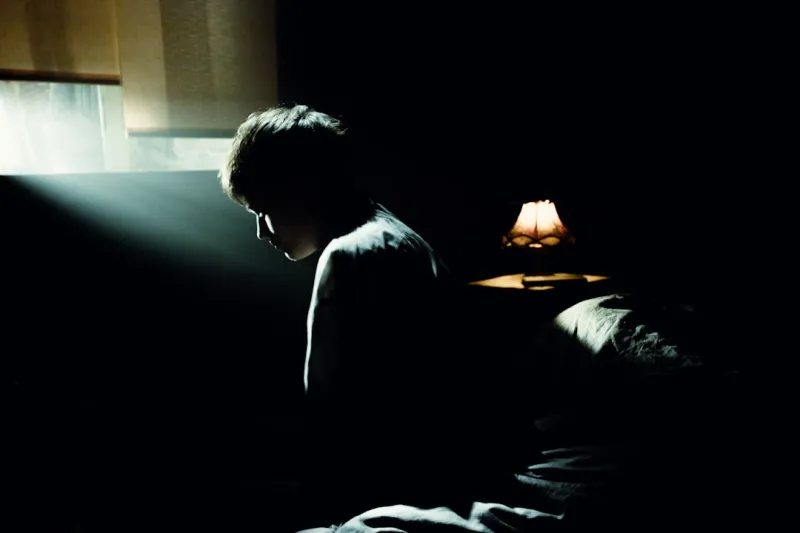
Staring Into the Dark
It starts with a sudden, bone‑deep scream that rips through the night, leaving my heart pounding like a drum and my mind scrambling for a rational explanation; the terror feels primal, as if some ancient predator has slipped through the veil of sleep and is clawing at the edges of my consciousness. In those fleeting seconds, I am caught between the hazy world of dreams and the stark, unforgiving reality of my bedroom, and the lingering dread often follows me into the morning, casting a shadow over even the simplest tasks. This is not a one‑time nightmare—it is a recurring, violent interruption that has reshaped how I view rest, safety, and my own body’s signals.
Understanding the Biology of Sleep Terrors
Sleep terrors, clinically known as night terrors, occur during the first third of the night, when the brain is still transitioning between deep non‑REM sleep stages, and the autonomic nervous system can surge into a fight‑or‑flight mode without the protective overlay of conscious awareness; the result is a sudden escalation of heart rate, rapid breathing, and an overwhelming sense of panic that can feel indistinguishable from waking life. Unlike nightmares, which are vivid and often remembered, night terrors are usually fragmented in memory, leaving the sleeper with a vague, lingering unease rather than a clear narrative. Researchers suggest that genetic predisposition, stress hormones, and even subtle disruptions in the body’s circadian rhythm can amplify these episodes, turning a night meant for restoration into a battlefield of subconscious alarm.
Personal Triggers: The Hidden Stressors
My own pattern emerged after a series of high‑stress months at work, combined with erratic eating habits and a relentless stream of late‑night scrolling that kept my brain wired when it should have been winding down; I began to notice that the terrors struck most often after days when I skipped my morning meditation and replaced breakfast with sugary coffee drinks that sent my blood sugar on a roller coaster. The correlation became undeniable when I mapped my sleep logs alongside my diet diary, revealing that spikes in caffeine and processed carbs often preceded a night of turmoil, while days of balanced meals and gentle movement seemed to mute the intensity. This realization forced me to confront the uncomfortable truth that my internal chemistry, not just external stress, was a major catalyst for the nocturnal assaults.
Gut Health and the Nighttime Brain
Research increasingly shows that the gut‑brain axis plays a pivotal role in regulating sleep quality, and an unsettled gut can send distress signals that manifest as night terrors; an overgrowth of harmful bacteria, leaky gut, or chronic inflammation can elevate cortisol levels and disrupt the production of serotonin, the neurotransmitter that helps orchestrate calm and restorative sleep cycles. By addressing my own digestive issues through a targeted approach—incorporating fermented foods, reducing gluten, and adding a daily probiotic—I began to notice a subtle but measurable decline in the frequency of my terrors, suggesting that a healthier gut can act as a silent guardian against nighttime panic. For a deeper dive into how gut balance can transform sleep, explore Gut Health Secrets: Balance, Energy, and Wellness, which outlines practical steps that have helped countless readers reclaim peaceful nights.
Creating a Sanctuary for Sleep
The physical environment of the bedroom can either soothe the nervous system or amplify its anxieties, so I embarked on a systematic overhaul: I dimmed the lights an hour before bed, introduced a gentle aromatherapy diffuser with lavender essential oil, and invested in blackout curtains that blocked the intrusive glow of streetlights; I also removed electronic devices from the nightstand, opting for a traditional alarm clock to eliminate blue‑light exposure that can sabotage melatonin production. In addition to these changes, I instituted a calming pre‑sleep ritual that blends light stretching, deep‑breathing exercises, and a brief gratitude journal, which together signal to the brain that it is safe to transition into the restorative phases of sleep. Over weeks, this ritual not only reduced the intensity of the terrors but also shortened the time it took me to fall asleep, reinforcing the idea that a thoughtfully curated sleep space is a frontline defense against nocturnal disturbances.
Professional Help and Holistic Healing
While lifestyle tweaks have been invaluable, I soon recognized that the depth of my sleep terrors required guidance from specialists who could map the underlying neurological patterns; a sleep psychologist introduced me to cognitive‑behavioral therapy for insomnia (CBT‑I), which helped rewire my thought processes around sleep, and a neurologist performed a sleep study that ruled out sleep apnea, confirming that my terrors were indeed rooted in dysregulated non‑REM cycles. The integration of therapy with holistic practices created a synergistic effect, and I found solace in reading expert perspectives that resonated with my experience, such as the insights offered in When Night Turns Violent: Understanding and Healing Sleep Terrors, a resource that blends clinical knowledge with practical, body‑centered strategies. This combination of professional assessment and self‑directed healing empowered me to reclaim agency over my nights, turning fear into informed action.
Holistic Lifestyle Shifts for Long‑Term Relief
Beyond the bedroom, I adopted broader holistic habits that support nervous system balance: regular moderate exercise to reduce overall stress hormones, mindful nutrition that prioritizes omega‑3 fatty acids and magnesium to calm neuronal excitability, and a weekly digital detox that allows my mind to reset without the constant barrage of notifications; I also incorporated a monthly cleanse inspired by the Ultimate Body Detox Blueprint, which helped eliminate lingering toxins that could have been feeding my stress response. These systemic changes have not only eased my sleep terrors but have also elevated my daytime energy, focus, and emotional resilience, illustrating the interconnected nature of body, mind, and sleep. By viewing night terrors as a symptom rather than an isolated problem, I have been able to address the root causes with a comprehensive, sustainable approach.
Hopeful Horizons and the Path Forward
Tonight, when the darkness settles, I no longer brace for an inevitable scream; instead, I trust the practices I have cultivated, breathe deeply, and allow my body to drift into a quiet, restorative slumber, knowing that I have equipped myself with tools that honor both science and spirit. The journey through sleep terrors has taught me that vulnerability can be a catalyst for profound transformation, and that every night offers an opportunity to rewrite the script of fear into one of empowerment and peace. If you find yourself haunted by similar shadows, remember that help is available, the body is capable of healing, and a calmer night is within reach when you combine evidence‑based strategies with compassionate self‑care.

Related Posts

When Night Turns Violent: Understanding and Healing Sleep Terrors
Discover why sleep terrors happen, how they affect your life, and practical holistic methods to soot... Read More

When Shadows Stir: Unpacking Sleep Terrors From a Whole‑Person Lens
Sleep terrors are a physiological alarm that reveals hidden stress. This article breaks down the neu... Read More
Night‑Time Fear as a Hidden Performance Leak: A Data‑First Playbook for Leaders
A data‑driven guide reveals how executives can spot early signs of night‑time panic, apply brief... Read More
Top Posts

Decision Hygiene: Reducing Mental Clutter for Better Well‑Being
Discover decision hygiene—a systematic approach to trim everyday choices, preserve mental bandwidth, and foster emotional resilience. Follow a 7‑day plan to...Read More

Beyond the Juice Cleanse: A Multi‑Sensory Blueprint for Real Body Detox
A practical, multi‑sensory approach to detox that blends light exposure, aromatherapy, gentle movement, and trace‑mineral hydration for lasting cellular hea...Read More

The Unseen Power of Narrative Medicine in Cancer Care
Explore the transformative role of narrative medicine in cancer care, from scientific insights to daily storytelling practices that empower patients and enhance...Read More

Turning Diagnosis into Design: How Cancer Shaped My Creative Process
A personal recount of how battling cancer transformed my creative workflow, turning adversity into a powerful source of inspiration and strategic advantage....Read More
0 Comments
Post Comment
You will need to Login or Register to comment on this post!