

Why Insomnia Isn’t Just About ‘Can’t Sleep’
When the clock hits 2 a.m. and your mind is still scrolling through yesterday’s emails, a to‑do list, or that random fact you read on a forum, you might think insomnia is simply a personal failing. In reality, it’s a complex feedback loop of light exposure, circadian mis‑alignment, stress signals, and the very spaces we inhabit. I’ve spent the last few years dissecting data from wearable tech, design research, and sleep‑focused clinical studies. The pattern that emerges is clear: insomnia is a design problem begging for a systems‑thinking solution.
The Invisible Hand of Light
Our bodies are wired to respond to light. The suprachiasmatic nucleus (SCN) in the brain reads the blue‑rich spectrum of daylight and tells the pineal gland to suppress melatonin. When you flood your bedroom with a phone’s blue glow at 10 p.m., you essentially tell your SCN, “Stay awake.” The result is a delayed melatonin surge, a shifted sleep window, and the dreaded night‑time wakefulness.
Research shows that just 30 minutes of bright, cool light exposure after sunset can shift the circadian rhythm by up to two hours. The antidote? A disciplined light‑hygiene routine that leverages warm, amber lighting after dusk and bright, natural light in the morning.
- Evening Phase‑Down*: Replace LED bulbs with 2200 K “sunset” bulbs or use smart‑light filters that automatically warm up at 8 p.m.
- Morning Wake‑Up*: Open curtains immediately, or use a sunrise alarm that gradually increases cool‑white light to cue the SCN that it’s day.
- Device Discipline*: Enable “Night Shift” or “Dark Mode” on all devices, and consider a physical blue‑light filter screen if you must work after dark.
These tweaks are low‑cost, high‑impact, and backed by chronobiology studies. They also dovetail nicely with the broader concept of Designing Spaces that Boost Brain Power, because lighting is a core element of environmental design.
Rhythm Over Routine: The Power of Consistency
Many of us treat sleep like an after‑thought, assuming that a few extra minutes of scrolling won’t matter. Yet the body thrives on predictable temporal patterns. When bedtime varies by more than 30 minutes night‑to‑night, cortisol spikes and heart‑rate variability (HRV) both suffer, making it harder to fall asleep and stay asleep.
Instead of a “routine” that feels optional, think of a sleep rhythm that you protect like a meeting with a high‑profile client. Here’s a step‑by‑step guide to building one:
- Set a Fixed Bedtime Window: Choose a 30‑minute window that you can consistently hit, even on weekends. Mark it on your calendar.
- Wind‑Down Buffer: Allocate at least 45 minutes before that window for low‑stimulus activities—reading a paper book, gentle stretching, or journaling.
- Pre‑Sleep Nutrition: Avoid caffeine after 2 p.m. and limit alcohol to one standard drink. A small snack with tryptophan (e.g., a banana with almond butter) can promote melatonin synthesis.
- Consistent Wake‑Time: Even if you’re exhausted, get up at the same time each morning. It reinforces the SCN’s expectations.
When you embed these habits into a rhythm, you’re essentially training your internal clock to expect sleep at a certain time, reducing the cognitive “battle” that fuels insomnia.
Designing a Sleep‑Friendly Sanctuary
Just as smart office design can boost productivity, bedroom design can either sabotage or support restorative sleep. Below are design principles that translate into measurable sleep quality improvements:
- Temperature Control: Aim for 60‑67 °F (15‑19 °C). A cooler environment encourages the natural drop in core body temperature that precedes sleep.
- Sound Management: White‑noise machines or earplugs can mask disruptive urban noises. If you love ambient sounds, choose nature recordings that are non‑rhythmic to avoid entrainment.
- Declutter for Calm: Visual clutter can trigger the brain’s vigilance system. Keep surfaces clear and store items out of sight.
- Mattress & Pillow Hygiene: Replace pillows every 12‑18 months and consider a mattress with a 7–10‑year lifespan to maintain proper spinal alignment.
- Technology Blackout Zone: Position your phone charger outside the bedroom or use a “charging basket” to prevent late‑night screen temptations.
When these elements align, the bedroom becomes a cue for the brain that it’s time to disengage from the day’s stressors and transition into sleep.
The Role of Stress and Storytelling
Stress isn’t just an emotional state—it’s a physiological cascade that spikes cortisol, heart rate, and glucose levels, all of which are antithetical to sleep. One under‑explored tool is structured storytelling. By narrating the day’s events in a neutral, third‑person voice, you can create psychological distance and reduce rumination.
Try this 5‑minute bedtime script:
- Identify three notable events from the day.
- Describe each event as if you were a journalist, focusing on facts, not feelings.
- Conclude each narrative with a single sentence that signals closure, such as “That chapter ends here.”
This method mirrors the approach discussed in The Unexpected Power of Everyday Storytelling for Mental Wellness, but applied specifically to pre‑sleep mental off‑loading.
Leveraging Data: Wearables, Apps, and Insight Loops
Modern wearables provide a trove of sleep‑related metrics: sleep stages, HRV, respiratory rate, and even skin temperature. While raw data can be overwhelming, a focused dashboard that tracks three core KPIs can drive actionable change:
- Sleep Onset Latency (SOL): Time from lights‑out to first stage of sleep. Aim for under 20 minutes.
- Sleep Efficiency: Ratio of total sleep time to time in bed. Target >85%.
- Rest‑Stage Percentage: Proportion of deep (N3) and REM sleep. A healthy adult typically spends 20‑25% in deep sleep.
By reviewing these KPIs weekly, you can correlate environmental changes (like a new light schedule) with improvements, creating a feedback loop that reinforces beneficial habits.
Integrating Professional Support Without Breaking the Bank
Insomnia can be chronic, and cognitive‑behavioral therapy for insomnia (CBT‑I) is the gold‑standard treatment. The good news? Many health plans now cover virtual CBT‑I programs. If you’re unsure how to tap into this benefit, start by Turning Your Health Insurance Into a Strategic Wellness Partner. A quick call to your benefits administrator can unlock access to evidence‑based therapy that complements your DIY design hacks.
From Restless Nights to Restorative Sleep: A Holistic Checklist
Below is a consolidated, actionable checklist you can paste on your fridge or phone reminder:
- 🌓 Switch to warm amber lighting after 8 p.m.
- 📱 Enable blue‑light filters on all devices; place phones outside the bedroom.
- ⏰ Set a fixed bedtime window and honor it daily.
- 🛏️ Keep bedroom temperature 60‑67 °F; use a fan or blanket as needed.
- 🔊 Add a white‑noise machine or earplugs.
- 📚 Finish the day with a 5‑minute neutral storytelling exercise.
- 🧘♀️ Incorporate a 10‑minute wind‑down ritual (stretch, breathwork, or journaling).
- 📈 Review wearable sleep data weekly; adjust one variable at a time.
- 💬 If insomnia persists >4 weeks, contact your insurer about CBT‑I coverage.
Implementing these steps transforms insomnia from a mysterious night‑time adversary into a solvable design challenge.
Future Trends: Light‑Therapy Wearables and Ambient AI
Looking ahead, the next wave of sleep tech will merge real‑time light therapy with AI‑driven environmental adjustments. Imagine a smart pillow that senses your skin temperature and cues a bedside lamp to dim precisely when your body signals readiness for sleep. While still emerging, keeping an eye on these innovations can give early adopters a competitive edge in personal health optimization.
Conclusion: Own Your Night, Empower Your Day
Insomnia isn’t a sign of personal weakness; it’s a symptom of misaligned signals between your environment, biology, and daily habits. By treating sleep as a system—optimizing light, rhythm, space, and data—you can reclaim those missing hours and, in turn, boost creativity, focus, and overall well‑being. The next time the night feels endless, remember that you have a toolbox of evidence‑based strategies at your fingertips. Flip the switch on the lights, set the rhythm, and design a sanctuary that invites sleep. Your brain—and your future self—will thank you.

Jessica Hall is a dynamic freelance writer based in the vibrant city of London, Ontario. As a dedicated single mom, she expertly juggles the demands of parenthood with her passion for storytelling, crafting compelling narratives that resonate with readers. With a background in retail, Jessica brings a unique perspective to her writing, infusing her work with insights drawn from her experiences
Related Posts

Decoding Insomnia: Tiny Nighttime Tweaks to Reset Your Brain
A fresh look at insomnia reveals how gut health, light exposure, micro‑habits, and personal data c... Read More
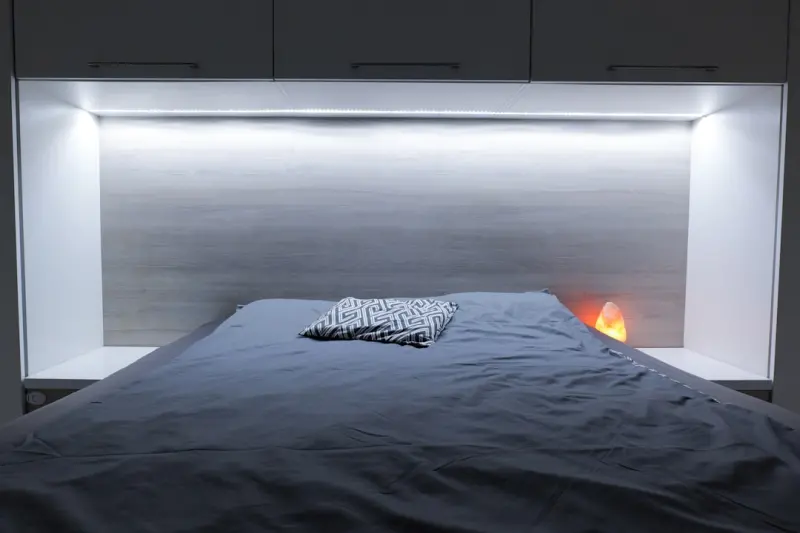
Designing a Sleep Sanctuary: How Your Bedroom Can Quiet the Mind
Learn practical steps to turn your bedroom into a calming sleep sanctuary—covering lighting, color... Read More

Reclaiming Rest: A Data‑Driven Playbook to Beat Chronic Insomnia
Insomnia isn’t just a sleep issue—it’s a hidden performance leak. This playbook blends light m... Read More
Top Posts

Reimagining Muscle Gain: A Play‑Based Blueprint for Sustainable Strength
A novel, play‑focused system combines micro‑periodization, habit stacking, gamified tracking, and sensory enrichment to transform muscle gain from a grind i...Read More

Reimagining Cancer Care: A Holistic Playbook for Personal Empowerment
A fresh perspective on cancer care that blends environmental awareness, microbiome nutrition, purposeful movement, narrative healing, and technology to empower ...Read More

Silent Saboteurs: Unmasking Everyday Chemicals That Disrupt Women’s Hormones
Everyday chemicals like BPA and phthalates act as hidden endocrine disruptors, threatening women’s hormonal balance. This article explores their impact, links...Read More
Smart Health Insurance: Turning Benefits into a Competitive Advantage
Smart health insurance leverages AI, telehealth, and data transparency to shift benefits from a cost center to a strategic advantage, driving healthier workforc...Read More
0 Comments
Post Comment
You will need to Login or Register to comment on this post!