
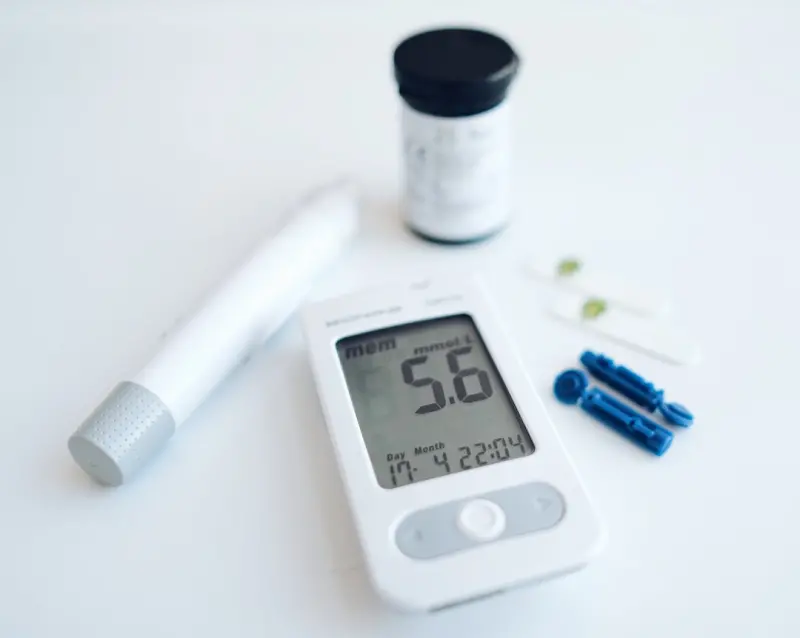
When I first learned I was on the prediabetes spectrum, my mind raced to the usual suspects: carbs, calories, cardio. I was ready to overhaul my plate and my schedule, but the real breakthrough came from a place I hadn’t considered—my breath.
The Unexpected Link Between Breath and Blood Sugar
It sounds almost mystical, but the connection between how we breathe and how our pancreas behaves is grounded in solid physiology. The autonomic nervous system, which controls involuntary functions like heart rate and digestion, also regulates the stress hormone cortisol. Elevated cortisol spikes gluconeogenesis—the liver’s production of glucose—pushing blood sugar levels higher even when you haven’t eaten.
When you’re stressed, your breathing often becomes shallow and rapid, a pattern called thoracic breathing. This type of breathing signals the body that you’re in a fight‑or‑flight mode, keeping the sympathetic branch of the nervous system in the driver’s seat. The result? A cascade that can push a borderline glucose reading over the prediabetes threshold.
Conversely, slow, diaphragmatic breathing activates the parasympathetic system—the “rest and digest” mode—dampening cortisol release and giving your cells a chance to respond more effectively to insulin.
Why Traditional Approaches Miss the Breath
Most prediabetes programs focus on macro‑nutrient ratios, exercise frequency, or even sleep hygiene. While those are undeniably important, they often ignore the moment‑to‑moment regulation that our breath provides. Think of your glucose levels as a boat on choppy water; diet and exercise are the hull, but breath is the rudder that steadies the ride between waves.
In practice, this means that on days when you’re diligent with your meals but overwhelmed at work, a short breath practice can be the difference between staying within a safe glucose range or slipping into a spike that nudges you further down the prediabetes path.
Science Snapshot: Breath, Stress, and Glucose
- Heart Rate Variability (HRV) improves with controlled breathing, and higher HRV correlates with better insulin sensitivity.
- Studies on mindfulness‑based stress reduction (MBSR) show average reductions of 0.5% in HbA1c after eight weeks of daily breath work.
- Research on yoga breathing (pranayama) reports decreased fasting glucose levels, suggesting that even brief sessions can have measurable metabolic effects.
These data points reinforce what many of us have felt intuitively: calming the nervous system can translate into calmer glucose numbers.
Getting Started: A Simple Breath Routine for Prediabetes
Below is a three‑step protocol I’ve integrated into my own day. Each step takes less than two minutes, making it realistic even on the busiest schedule.
- Box Breathing (4‑4‑4‑4) – Inhale for four counts, hold for four, exhale for four, hold again for four. This pattern stabilizes the autonomic nervous system.
- Diaphragmatic Deep Dive – Place one hand on your chest and the other on your belly. Breathe in through the nose, feeling the belly rise more than the chest. Exhale slowly through pursed lips. Aim for a 6‑second inhale and a 6‑second exhale.
- Micro‑Pause Reset – Every time you sit down for a meal, set a timer for 30 seconds before you start eating. Use this window to do a single round of box breathing. This signals your body to transition into a relaxed, insulin‑ready state.
Consistency is the key. I recommend attaching the practice to existing habits—like the moment you turn on your computer, or when you step out of the shower. The habit loop (cue → routine → reward) works just as well for breath as it does for any other health behavior.
Integrating Breath Into Your Daily Flow
Here’s how you can weave these breaths into the rhythm of a typical workday:
- Morning Check‑In: After brushing your teeth, sit upright at the edge of your bed, close your eyes, and perform one round of box breathing. This primes your nervous system before the day’s first glucose challenge—your coffee.
- Pre‑Meal Ritual: As mentioned, the 30‑second micro‑pause before each meal creates a physiological “reset” that can improve post‑prandial glucose spikes.
- Mid‑Afternoon Reset: Around 2 p.m., step away from the screen, stand, and do a full diaphragmatic breathing cycle for one minute. This combats the post‑lunch dip in alertness and helps keep cortisol levels in check.
- Evening Wind‑Down: After dinner, practice a final round of box breathing before settling into your favorite leisure activity. This signals to your body that it’s time to transition into repair mode, supporting overnight glucose regulation.
When you pair these micro‑moments with regular movement—like a brief walk after lunch—you create a synergistic effect that amplifies both stress reduction and insulin sensitivity.
Measuring the Impact: Data‑Driven Self‑Experimentation
One of the things I love about modern health tech is the ability to see real‑time feedback. If you have a continuous glucose monitor (CGM), you’ll notice patterns emerging within days of consistent breath practice. Even without a CGM, a simple finger‑stick fasting glucose test once a week can reveal trends.
To keep yourself honest, try a breath‑log journal. Note the time, duration, and type of breathing you performed, then record your fasting glucose or HbA1c reading a week later. Over a month, you’ll be able to see whether certain times of day (e.g., pre‑lunch breaths) produce the biggest benefit.
Community and Accountability: The Social Dimension of Breath
While breath is a solitary act, it flourishes when shared. I started a “Breath Buddies” group at my workplace—a small, optional circle of colleagues who take a two‑minute breath break together twice daily. The collective focus not only reduces individual stress but also builds a supportive culture around metabolic health.
If you’re not in a corporate setting, consider joining an online mindfulness community or starting a virtual breath circle with friends. The simple act of scheduling a shared breathing session adds a layer of accountability and makes the practice feel less like a chore.
Common Pitfalls and How to Avoid Them
1. Rushing the Breath – It’s tempting to skim through a breathing exercise when you’re busy. Aim for genuine, slow breaths; otherwise, you risk reinforcing the sympathetic response.
2. Ignoring Underlying Stressors – Breath work is a powerful tool, but it won’t erase chronic sources of stress like overwhelming workloads or unresolved emotional tension. Pair breath with broader stress‑management strategies—therapy, journaling, or even simple time‑blocking.
3. Inconsistent Practice – The metabolic benefits accrue over time. Skipping days can reset the nervous system’s adaptation, diminishing returns. Use habit‑stacking to make breathing inevitable.
Beyond Breath: Complementary Lifestyle Tweaks
While the focus of this post is on breath, the most resilient prediabetes plan incorporates several pillars. Here are a few quick wins you can add on top of your breathing practice:
- Hydration Timing: Sip water throughout the day, especially before meals. It can blunt post‑meal glucose spikes.
- Micro‑Movement: Stand up and stretch for one minute every hour. The movement supports muscle glucose uptake.
- Screen Breaks: Reducing blue‑light exposure in the evening helps regulate melatonin, which indirectly influences insulin sensitivity. (Read more about the unexpected health benefits of stepping back from screens in our Digital Minimalism article.)
Future Outlook: Breath as a Therapeutic Frontier
Researchers are now exploring breath‑based biofeedback devices that can detect stress markers in real time and guide users through personalized breathing protocols. Imagine a wristband that vibrates when your cortisol levels rise, prompting a quick box‑breath before you even notice the spike. While still emerging, this technology underscores the growing recognition of breath as a therapeutic lever—not just a wellness fad.
In the meantime, we have a free, powerful tool at our fingertips—our own breath. By honoring it, we give our bodies the chance to regulate glucose more gracefully, turning the prediabetes label from a warning sign into a catalyst for deeper self‑connection.
Take the First Breath
Ready to try? Set a timer for one minute right now. Sit comfortably, close your eyes, and practice the box breathing method. Notice the sensation in your belly, the sound of your inhale, the pause, the exhale. Feel the subtle shift in your mental space. That moment, however brief, is the first step toward a steadier glucose journey.
Remember, prediabetes is not a destiny—it’s a data point. With conscious breathing, you can rewrite the story, one breath at a time.

Related Posts
Micro‑Habits That Outsmart Prediabetes
Learn how simple, consistent micro‑habits—like hydration cues, fiber‑first meals, and brief mo... Read More
Micro‑Movement Moments: A Fresh Approach to Reversing Prediabetes
Learn how brief, intentional bursts of activity throughout the day can stabilize blood sugar, improv... Read More
From Prediabetes to Balance: My Holistic Roadmap
A candid, step‑by‑step account of how I transformed prediabetes into balanced health using diet,... Read More
Top Posts
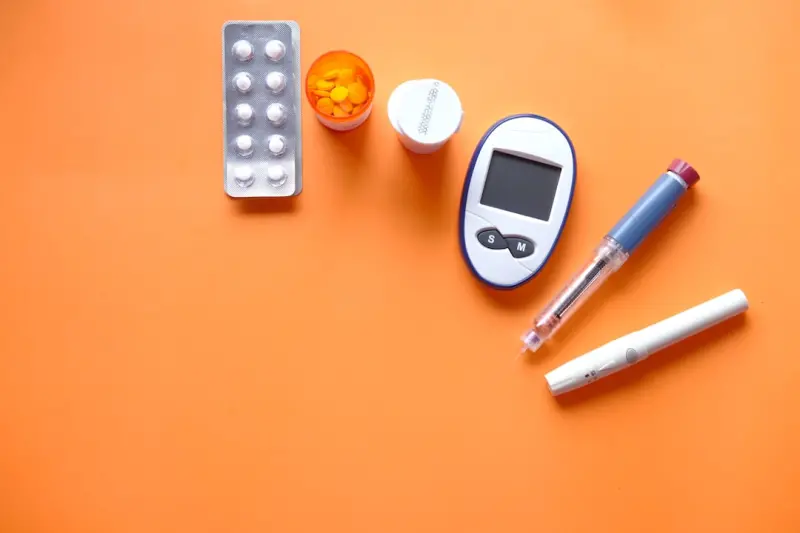
Balancing Blood Sugar Naturally: A Personal Blueprint
Learn how to stabilize glucose naturally through mindful meal timing, smart food combos, stress reduction, and brief activity bursts—crafted from personal exp...Read More

Untangling the Night: A Compassionate Guide to Overcoming Sleep Terrors
Sleep terrors are intense nighttime episodes that can disrupt rest and affect daily wellbeing. This guide explores their causes, links to brain health, and offe...Read More

Cultivating a Resilient Gut in the Age of Remote Work
Your remote workspace plays a crucial role in gut health. This article explores the microbiome impact of indoor air, stress, movement, and meal timing, offering...Read More

Infrared Sauna Secrets for Deep Body Detox
Infrared sauna sessions combined with gentle movement and breathwork can unlock a deep, cellular cleanse, leaving you refreshed, energized, and ready to thriveâ...Read More
0 Comments
Post Comment
You will need to Login or Register to comment on this post!