
Food Pairing Hacks to Supercharge Your Brain at Work
When I first walked into a brainstorming session with a half‑eaten granola bar and a lukewarm coffee, I felt like a hamster on a wheel—lots of motion, little forward momentum. It wasn’t until a colleague whispered about “nutrient synergy” that I realized my snack choices were sabotaging my creative flow. The concept is simple: the right foods, paired thoughtfully, can amplify each other’s strengths and turn a mundane lunch into a cognitive catalyst. In this post, I’ll walk you through three science‑backed food‑pairing strategies that fit seamlessly into a busy professional’s day, share the subtle pitfalls to watch out for, and give you a quick‑start cheat sheet you can print and stick on your fridge.
Why Pairing Matters More Than Counting Calories
Most nutrition advice I’ve encountered focuses on “eat less, move more.” While those principles are useful, they miss the nuanced chemistry happening inside your gut. Think of your meals like a band: each ingredient is an instrument, and the final performance depends on how well they harmonize. When you combine a carbohydrate with a protein, the digestion rate slows, delivering a steadier stream of glucose to the brain. Pairing antioxidants with healthy fats, on the other hand, boosts the absorption of fat‑soluble vitamins that support neurotransmitter synthesis. The end result? Less “energy crash” and more sustained mental clarity—exactly what we need when we’re juggling spreadsheets, client calls, and the ever‑looming deadline.
Hack #1: The “Brain‑Boosting Duo” – Whole Grains + Omega‑Rich Foods
Complex carbs like quinoa, oats, or brown rice release glucose gradually, keeping blood sugar levels from spiking and crashing. When you add a source of omega‑3 fatty acids—think walnuts, chia seeds, or a drizzle of cold‑pressed flax oil—you provide the building blocks for DHA, a key component of neuronal membranes. Research shows that DHA enhances synaptic plasticity, which translates into sharper focus and quicker problem‑solving.
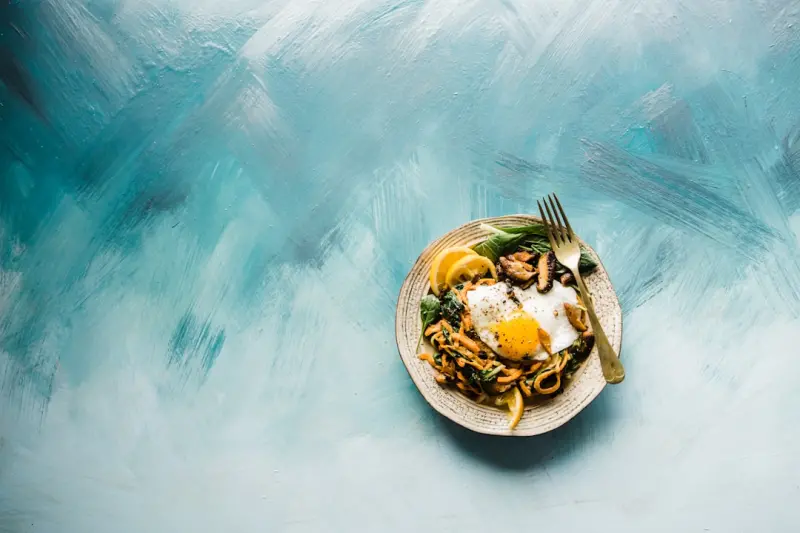
Here’s a quick recipe you can assemble in under five minutes: combine cooked quinoa (or leftover brown rice) with a handful of toasted walnuts, a spoonful of chia seeds, and a splash of lemon‑infused olive oil. Toss in some chopped kale for extra fiber, and you’ve got a portable, brain‑fueling bowl that won’t wilt by lunch.
Pro tip: If you’re a fan of coffee, sip it alongside this bowl rather than before. Caffeine on an empty stomach can cause a rapid glucose dip; pairing it with the steady carbs and fats smooths the ride.
Hack #2: The “Focus Fusion” – Dark Chocolate + Berries
Dark chocolate (70% cacao or higher) contains flavonoids that improve cerebral blood flow, while berries—especially blueberries—are packed with anthocyanins that protect neurons from oxidative stress. When you combine the two, you get a double‑hit of neuroprotective compounds that not only boost alertness but also enhance memory consolidation.
For a desk‑friendly snack, melt a few squares of dark chocolate and dip fresh strawberries or raspberries. The sweet‑tart contrast satisfies cravings without the sugar crash that typical candy bars bring. Plus, the ritual of dipping slows you down, giving your brain a brief, mindful pause—something I’ve found invaluable during marathon strategy meetings.
If you want to level up the experience, sprinkle a pinch of sea salt or a few crushed almonds on top. The added minerals support nerve transmission, and the crunch adds a satisfying texture change.
Hack #3: The “Immune‑Edge Mix” – Fermented Veggies + Vitamin‑C Powerhouse
Fermented foods like kimchi, sauerkraut, or miso are rich in probiotics that nurture a healthy gut microbiome. A balanced microbiome produces short‑chain fatty acids that communicate with the brain via the gut‑brain axis, influencing mood and focus. Pair these with a vitamin‑C‑rich partner—think bell peppers, citrus, or kiwi—to enhance iron absorption (important for oxygen transport to the brain) and provide an antioxidant shield.
Try this: spread a thin layer of kimchi on a whole‑grain tortilla, top with sliced orange segments, a handful of arugula, and a drizzle of tahini. Roll it up, and you have a gut‑friendly, immune‑supporting wrap that keeps you energized through the afternoon slump.
Note: If you’re new to fermented foods, start with a modest portion (about a tablespoon) to let your digestive system adjust. Over time, you’ll notice less bloating and a calmer mind during high‑pressure presentations.
Common Pitfalls and How to Dodge Them
- Skipping the Fat: Many professionals think “low‑fat” equals “healthy,” but without dietary fat, fat‑soluble vitamins (A, D, E, K) can’t be absorbed, leaving you nutritionally incomplete.
- Relying on Processed Pairings: Pre‑packaged “energy bars” often combine carbs and protein but hide added sugars and artificial additives that undermine the pairing benefits.
- Ignoring Timing: Pairing works best when you consume the combo within the same meal window. Spacing them too far apart dilutes the synergistic effect.
- Forgetting Hydration: Even the best food pairings can’t compensate for dehydration, which is a silent focus killer. Keep a water bottle at hand and sip regularly.
Integrating Pairings into a Busy Schedule
My own workday is a patchwork of meetings, client calls, and occasional deep‑work sprints. To make these hacks stick, I batch‑prepare the “base” ingredients on Sunday night. Cook a big pot of quinoa, roast a tray of mixed veggies, and portion out nuts and seeds into snack bags. Throughout the week, I simply mix and match: a quinoa bowl for lunch, a dark‑chocolate‑berry treat for the mid‑afternoon slump, and a fermented‑wrap for dinner when I need a lighter finish.
Another trick is to set a calendar reminder titled “Food Pairing Check‑In” every two days. The prompt nudges me to assess my current snack choices and make a quick swap if needed. Over a month, these small adjustments compound into noticeable gains in focus, mood stability, and even the quality of my written reports.
Science Spotlight: The Role of the Blood‑Brain Barrier
While I’m not a neuroscientist, I’ve read enough to know that the blood‑brain barrier (BBB) selectively filters what reaches our brain tissue. Certain nutrients—like the omega‑3s in walnuts or the flavonoids in dark chocolate—are better at crossing the BBB when paired with complementary compounds. For instance, the presence of healthy fats enhances the transport of fat‑soluble antioxidants, ensuring they arrive where they’re needed most.
If you’re curious about the deeper biochemistry, you might enjoy exploring Fueling Focus: Engineering Blood Sugar for High‑Stakes Creativity. While that article dives into glucose regulation, the underlying principle is the same: strategic nutrient timing can fine‑tune brain performance.
Beyond the Plate: Lifestyle Tweaks That Amplify Pairing Benefits
Food pairing shines brightest when paired with supportive habits. Here are three quick additions to your routine:
- Micro‑Movement Breaks: A five‑minute stretch or walk every hour keeps circulation optimal, helping nutrients reach the brain faster.
- Mindful Breathing: Simple diaphragmatic breathing after a meal signals the parasympathetic nervous system to prioritize digestion and nutrient absorption.
- Screen‑Free Digestion: Avoid scrolling on your phone for at least 15 minutes post‑meal. The distraction reduces stress hormones that can impede gut function.
When you combine these habits with intentional food pairings, you create a feedback loop: better nutrition fuels clearer thinking, which in turn makes it easier to stick to those healthy habits.
Quick‑Start Cheat Sheet (Print‑Friendly)
| Pairing | Key Benefits | Easy Assembly |
|---|---|---|
| Whole Grains + Omega‑Rich Nuts/Seeds | Sustained glucose, DHA for neuron health | Quinoa + toasted walnuts + chia + lemon‑olive oil |
| Dark Chocolate + Berries | Improved blood flow, antioxidant protection | 70% cacao dip + strawberries |
| Fermented Veggies + Vitamin‑C | Gut‑brain axis support, enhanced iron uptake | Kimchi wrap + orange slices + arugula |
Print this table, stick it on your fridge, and let it guide your snack decisions. Over time, you’ll notice a subtle but consistent uplift in mental stamina, especially during those marathon strategy sessions.
Wrapping Up: Make Your Meals Work for Your Mind
Nutrition isn’t just about calories or macros; it’s about the chemistry that happens when foods meet. By deliberately pairing ingredients that complement each other, you can turn everyday meals into performance‑enhancing tools. I’ve tested these combos during product launches, client pitches, and even during the occasional all‑night code sprint, and the difference is palpable. Give one pairing a try this week, track how you feel, and then expand. Your brain will thank you, and your inbox might finally start looking a little less intimidating.
For those who love digging deeper, check out Unlocking Liver Resilience: The Hidden Engine Behind Peak Performance. Understanding how the liver processes nutrients adds another layer to mastering food synergy, and it’s a fascinating read for anyone serious about optimizing their cognitive edge.

Jessica Hall is a dynamic freelance writer based in the vibrant city of London, Ontario. As a dedicated single mom, she expertly juggles the demands of parenthood with her passion for storytelling, crafting compelling narratives that resonate with readers. With a background in retail, Jessica brings a unique perspective to her writing, infusing her work with insights drawn from her experiences
Related Posts

Fueling the Night: Nutrition Strategies for After-Hours Professionals
A deep‑dive into the science and habits that help night‑shift professionals eat smarter, stay al... Read More
Culinary Chemistry: Unlocking Hidden Nutrients Through Smart Cooking
Learn how different cooking techniques affect nutrient availability and how to use heat, water, fats... Read More

Nutrient Synergy: How Strategic Food Pairing Elevates Everyday Nutrition
Explore the art of food pairing and meal sequencing to maximize nutrient absorption, improve digesti... Read More
Top Posts

Cognitive Hygiene: Guarding Your Mind Against Information Overload
In a world of nonstop notifications, cognitive hygiene offers a roadmap to clear mental clutter, boost focus, and sustain emotional well‑being through intenti...Read More

When the Plate Becomes a Battleground: Reframing Eating Disorders in the Modern Workplace
A deep dive into the hidden triggers of eating disorders in professional settings, offering actionable strategies to transform the office into a space that nurt...Read More

Seasonal Light: The Hidden Health Booster
Natural daylight is a powerful, often overlooked health tool. This article explores how seasonal light affects our circadian system, immunity, and mood, offerin...Read More
Redefining Strength: A Holistic Playbook for Men’s Health
A modern guide for men that expands the definition of strength beyond the gym, offering practical steps for emotional agility, intentional rest, functional fitn...Read More
0 Comments
Post Comment
You will need to Login or Register to comment on this post!