

Why Cognitive Hygiene Matters More Than Ever
In a world where push notifications, endless email threads, and 24/7 news cycles have become the new normal, our brains are under constant bombardment. The term “cognitive hygiene” might sound clinical, but it’s simply the practice of keeping our mental environment as clean and organized as we do our physical workspace. When the digital noise is left unchecked, it can erode focus, amplify anxiety, and sabotage the creative spark that fuels high‑performance work.
The Anatomy of Digital Clutter
Unlike physical clutter, which you can see and touch, digital clutter lives in the neural pathways that process information. Each alert, message, or tab you open creates a tiny spike of dopamine. Over time, those spikes accumulate, leading to what neuroscientists call reward‑driven hyper‑stimulation. The result? A brain that’s perpetually on “standby,” struggling to differentiate between what truly matters and what is merely background chatter.
Four Pillars of Cognitive Hygiene
- Intentional Input Management – Curate the sources you allow into your mental inbox.
- Micro‑Recovery Practices – Short, purposeful breaks that reset neural fatigue.
- Embodied Presence – Grounding techniques that bring attention back to the body.
- Environmental Optimization – Physical spaces that support mental clarity.
1. Intentional Input Management
Most professionals assume that staying “in the loop” is synonymous with staying informed. In reality, the more channels you open, the more likely you are to miss the signal amid the noise. Start by auditing your digital diet:
- Channel Audit: List every platform (email, Slack, Twitter, newsletters) and ask yourself how each contributes to your core objectives. If the answer is vague, consider pausing or unsubscribing.
- Batch Processing: Reserve specific windows for deep‑work and separate windows for shallow tasks. For example, allocate a 30‑minute slot in the morning to clear email, then shut the inbox until the next window.
- Signal‑to‑Noise Ratio: Use tools that prioritize messages based on sender importance or keyword relevance. This mirrors the way a high‑performing athlete filters sensory input during competition.
By reducing the sheer volume of incoming data, you give your prefrontal cortex the breathing room it needs to engage in strategic thinking.
2. Micro‑Recovery Practices
Just as muscles need micro‑breaks between sets, the brain needs micro‑recovery to prevent cognitive fatigue. One powerful technique is the Power of Micro‑Movements. Simple gestures—standing up, stretching, or shifting posture for 30 seconds—trigger a cascade of neurochemical changes that increase blood flow and reset attention.
Another under‑appreciated tool is the “two‑minute reset.” Set a timer for two minutes, close all screens, and engage in a non‑digital activity: deep breathing, a quick doodle, or looking out a window. Studies show that these brief intervals can improve subsequent focus by up to 23%.
3. Embodied Presence
Our mental state is inseparable from our physical state. Hydration, for instance, is not just about physical performance; it’s a cornerstone of mental acuity. Dehydration can impair short‑term memory and increase perceived stress. The article Why Staying Hydrated Is Your Secret Weapon for Peak Mental Performance outlines how a simple glass of water can act as a “reset button” for the brain.
Incorporate these embodied practices:
- Box Breathing: Inhale for 4 seconds, hold for 4, exhale for 4, hold for 4. This rhythm calms the autonomic nervous system.
- Grounding Stance: Place both feet firmly on the floor, feel the weight transfer, and notice the sensation. This simple act signals to the brain that you are present.
- Micro‑Hydration Ritual: Keep a water bottle at eye level; each sip becomes a cue to pause and refocus.
4. Environmental Optimization
Physical surroundings influence mental flow. Open‑plan offices, while popular for collaboration, often create “visual noise” that fragments attention. If you work remotely or have a personal office, apply the following:
- Visual Declutter: Keep only essential items on your desk. A minimalist space reduces subconscious distractions.
- Acoustic Control: Use noise‑cancelling headphones or ambient sound apps that mimic natural environments (rain, forest). Consistent auditory backdrop can improve concentration.
- Lighting Strategy: Natural light boosts serotonin and regulates circadian rhythms. Position your workspace near a window or use a full‑spectrum lamp.
The Role of Narrative Journaling
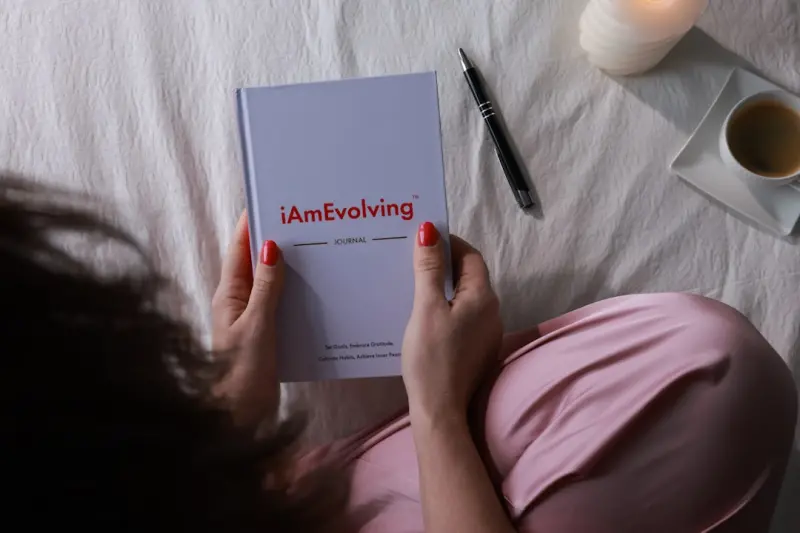
One of the most effective yet overlooked cognitive hygiene tools is narrative journaling. By writing about the day’s events in a structured format, you externalize mental clutter, making it easier to prioritize. A simple template works wonders:
- Morning Intent: One sentence about what you aim to accomplish.
- Mid‑Day Check‑In: Note any interruptions or emotional spikes.
- Evening Review: Summarize wins, challenges, and a gratitude note.
This practice not only clarifies priorities but also creates a feedback loop that reinforces emotional regulation.
When Cognitive Hygiene Fails: Warning Signs
Even the most disciplined professionals can slip into mental overload. Recognizing early signs can prevent a full‑blown burnout:
- Decision Fatigue: Struggling with even trivial choices.
- Heightened Irritability: Small annoyances feel magnified.
- Brain Fog: Forgetfulness and slow information processing.
- **Sleep Disruption: Racing thoughts at night, leading to restless sleep.
If you notice these patterns, it’s time to double‑down on cognitive hygiene tactics and, if needed, seek professional support.
Integrating Cognitive Hygiene into Team Culture
Individual habits are powerful, but scaling cognitive hygiene across a team amplifies impact. Leaders can model healthy behaviors by:
- **Setting Email-Free Zones: Encourage “no‑email” periods during deep‑work blocks.
- **Promoting Shared Micro‑Breaks: Schedule 5‑minute stretch or breathing sessions during long meetings.
- **Providing Resources: Offer subscriptions to meditation apps or ergonomic equipment.
When a team collectively respects mental bandwidth, creativity flourishes, and collaborative problem‑solving improves.
Future‑Proofing Your Mind
Artificial intelligence and immersive technologies promise even richer streams of data. While these tools can boost productivity, they also risk amplifying cognitive overload if not managed responsibly. Building a habit of cognitive hygiene now creates a resilient mental infrastructure that can adapt to whatever digital innovations arrive next.
Takeaway Checklist
- Conduct a quarterly digital audit to prune unnecessary channels.
- Implement two‑minute micro‑breaks every 90 minutes.
- Adopt a daily narrative journaling routine.
- Optimize your workspace for visual and acoustic calm.
- Stay hydrated and use embodied techniques to anchor attention.
- Encourage team‑wide policies that protect mental bandwidth.
By treating your mind like you would a high‑performance engine—regularly cleaning, tuning, and fueling it—you’ll sustain the clarity and creativity needed to thrive in today’s information‑dense environment.

Related Posts

Holistic Mental Health in a Hyperconnected World: Craig Brett’s Playbook
Craig Brett shares a practical, holistic roadmap for mental wellness, blending nutrition, sleep, exe... Read More

Holistic Strategies for Elevating Mental Health in a Busy World
Explore holistic, actionable steps to improve mental health—covering sleep, diet, movement, and gu... Read More
Cultivating Calm: The Unexpected Power of Everyday Soundscapes
Learn to harness the hidden influence of everyday sounds—from nature recordings to curated playlis... Read More
Top Posts

Balancing Blood Sugar to Beat Decision Fatigue and Sharpen Executive Judgment
Discover a fresh approach to blood sugar management that targets decision fatigue. Learn actionable meal timing, snack strategies, stress‑reduction techniques...Read More

Blood Sugar as a Performance Lever: Timing, Movement, and Environment Hacks
Discover practical strategies to turn blood sugar from a hidden liability into a strategic advantage, using timing, environment tweaks, and movement to maintain...Read More

Living on the Edge: My Autoimmune Journey and the Path to Balance
A candid, holistic guide from personal experience on navigating autoimmune disease, highlighting gut health, detox, stress reduction, and movement for sustainab...Read More

Listening to the Night: Turning Insomnia Into a Body’s Conversation
Insomnia isn’t just a problem—it’s a conversation. Learn practical tools like body scans, scent cues, gentle movement, and storytelling journaling to hear...Read More
0 Comments
Post Comment
You will need to Login or Register to comment on this post!