

Fueling Focus: Engineering Blood Sugar for High‑Stakes Creativity
When the deadline is looming and the pressure feels like a drumbeat in my ears, the one thing I wish I could control better is the energy that fuels my brain. As a senior strategist who juggles client pitches, product road‑maps, and late‑night brainstorming sessions, I’ve learned that the most reliable performance booster isn’t a fancy gadget or a caffeine binge—it’s the rhythm of my own blood sugar.
In the past, I treated blood glucose like an afterthought, assuming that a “balanced diet” was enough to keep my mind sharp. That mindset changed the day I noticed a subtle but consistent dip in my concentration after lunch, followed by a crash that left me staring at my screen with a foggy mind. It wasn’t hunger; it was a metabolic dip that my body was signaling.
This post is a deep‑dive into how you can intentionally shape your blood‑sugar profile to sustain focus, creativity, and decision‑making stamina. I’ll share the science behind glucose’s partnership with the brain, the practical habits that keep the partnership smooth, and a few unconventional tools I’ve tested in my own workflow. By the end, you’ll have a personal “glucose‑engine” blueprint you can adapt to any high‑pressure environment.
Why Blood Sugar Matters More Than You Think
Glucose is the brain’s preferred fuel. While the organ only weighs about three pounds, it consumes roughly 20% of the body’s resting energy. When glucose delivery is steady, neural networks fire efficiently, supporting memory consolidation, problem‑solving, and the rapid synthesis of ideas. When the supply wavers, even the most seasoned thinkers can feel mental fatigue, irritability, and a reduced capacity to see patterns.
Two key mechanisms explain why blood‑sugar volatility can be a hidden performance killer:
- Neurotransmitter Balance: Glucose drives the production of dopamine and serotonin—chemicals that underlie motivation and mood. A dip can lead to a dip in motivation, making it harder to push through complex tasks.
- Signal-to-Noise Ratio: Stable glucose maintains a high signal‑to‑noise ratio in cortical processing. When glucose drops, the brain’s “noise” increases, resulting in scattered thoughts and slower reaction times.
Understanding these mechanisms reframes blood‑sugar management from a health‑maintenance task to a strategic advantage. It becomes a lever you can pull to sharpen focus when the stakes are highest.
Mapping Your Personal Glucose Landscape
Before you can engineer a better glucose flow, you need to know where you currently stand. Here’s a quick, low‑tech method to start the mapping process:
- Track Energy Peaks: For one week, note the time of day you feel most mentally alert and the moments you experience “brain fog.” Use a simple spreadsheet or a note‑taking app.
- Meal Timing Log: Record what you eat, portion sizes, and the exact time of each meal or snack. Include beverages—especially those with hidden sugars.
- Symptom Correlation: Pair your energy notes with the meal log. Look for patterns like “energy dip two hours after a carb‑heavy lunch.”
This data‑driven snapshot helps you pinpoint the specific meals, macronutrient ratios, or timing issues that destabilize your glucose.
Core Strategies for Stable Glucose
Once you’ve identified the trouble spots, apply these evidence‑based tactics. They’re designed to be flexible—so you can weave them into the unpredictable rhythm of a fast‑moving professional life.
1. Prioritize Protein & Fiber at Every Eating Window
Protein slows gastric emptying, while soluble fiber forms a viscous gel that blunts the absorption rate of carbs. The combined effect flattens the post‑meal glucose spike.
Examples:
- Morning: Greek yogurt topped with chia seeds and a handful of berries.
- Mid‑day: A salad with mixed greens, quinoa, grilled chicken, and a drizzle of olive oil.
- Afternoon snack: Apple slices with almond butter.
2. Embrace “Micro‑Fuel” Snacks Every 3–4 Hours
Instead of three large meals, aim for five smaller eating windows. A modest snack that pairs protein with a low‑glycemic carbohydrate (e.g., cottage cheese + sliced cucumber) can prevent the trough that typically follows a 4‑hour fasting period.
3. Choose Low‑Glycemic Carbohydrates Strategically
Not all carbs are created equal. Opt for sources that release glucose gradually: steel‑cut oats, sweet potatoes, legumes, and berries. Avoid refined sugars and highly processed grains that cause rapid spikes and subsequent crashes.
4. Hydrate with Electrolyte‑Balanced Fluids
Dehydration can amplify glucose fluctuations. Water is essential, but a pinch of sea salt or a splash of magnesium‑rich coconut water can help maintain cellular balance, especially during long meetings or travel.
5. Leverage the Power of the Liver
Your liver is a glucose reservoir, releasing stored glycogen when blood levels dip. Supporting liver health ensures this safety net stays robust. Simple habits—like limiting excessive alcohol, incorporating bitter greens, and maintaining a moderate caffeine intake—can protect liver function.
For a deeper dive into how the liver underpins performance, see liver’s role in glucose management.
6. Time Your Carbohydrate Intake Around Physical Activity
Exercise increases insulin sensitivity for up to 24 hours post‑workout. Pairing a modest carb snack (e.g., a banana) within 30 minutes after a workout can replenish glycogen without overshooting glucose levels, setting you up for a steady energy curve the next day.
7. Manage Stress Hormones
Chronic stress elevates cortisol, which can drive glucose production in the liver and lead to higher baseline levels. Practices like breathwork, brief walks, or a 5‑minute mindfulness pause can blunt cortisol spikes, indirectly stabilizing glucose.
Unconventional Tools I Swear By
Beyond food and habit, I’ve experimented with a few low‑cost tools that provide tangible feedback, helping me fine‑tune my glucose engine.
Continuous Glucose Monitors (CGMs) for Non‑Diabetics
While traditionally prescribed for diabetes management, many high‑performers now use CGMs to gain real‑time insight into how meals affect their brain fuel. The data can be eye‑opening—showing, for example, that a seemingly “healthy” smoothie still creates a noticeable spike.
If you’re skeptical about diving straight into a CGM, start with a glucose‑impact questionnaire—a structured set of questions about how different foods make you feel. Over time, patterns emerge that can guide smarter food choices.
Strategic “Glucose‑Friendly” Caffeine
I used to rely on endless cups of coffee, which gave me a jittery surge followed by a rapid drop. I switched to a low‑acid, slow‑release coffee blend paired with a dash of cinnamon—a spice that modestly improves insulin sensitivity. This combo provides a smoother alertness curve without the dreaded crash.
Meal‑Prep “Energy Pods” for Travel
When I’m on the road, I assemble “energy pods”: a compartmentalized container with three sections—protein (hard‑boiled eggs or grilled tofu), complex carbs (quinoa salad or roasted chickpeas), and a small portion of healthy fat (avocado slices or a handful of walnuts). This modular approach guarantees that I never skip the protein‑fiber combo, even when restaurant options are limited.
Integrating Glucose Management Into a High‑Performance Workflow
It’s one thing to know the tactics; it’s another to embed them into a day that’s already packed with meetings, client calls, and strategic planning. Here’s a sample schedule that shows how to weave glucose stability into a typical workday without sacrificing productivity.
- 6:30 am – Wake‑up Hydration: 500 ml of water with a pinch of sea salt.
- 7:00 am – Power Breakfast: Scrambled eggs with spinach, a side of steel‑cut oats topped with cinnamon.
- 9:30 am – Micro‑Snack: Greek yogurt + a few berries.
- 12:00 pm – Focus Lunch: Mixed‑green salad with grilled salmon, quinoa, and olive‑oil vinaigrette.
- 2:30 pm – Light Movement & Refuel: 10‑minute brisk walk, followed by an apple + almond butter.
- 5:00 pm – Pre‑Dinner Buffer: A small serving of cottage cheese with cucumber slices.
- 7:30 pm – Dinner: Stir‑fried tofu, broccoli, and sweet potato wedges.
- 9:30 pm – Wind‑Down: Herbal tea (no caffeine) and a brief gratitude journal to lower cortisol before sleep.
Notice the rhythm: every 3–4 hours there’s a balanced intake, and physical movement punctuates the day to boost insulin sensitivity. Adjust the timings to fit your own calendar, but keep the core principle of consistent, balanced fueling intact.
When Glucose Management Meets Leadership
As leaders, our decision‑making bandwidth is a finite resource. A stable glucose supply not only sharpens our own cognition but also models healthy habits for the teams we guide. Here are three leadership‑level takeaways:
- Set the Example: Encourage team members to schedule brief “energy breaks” and provide a stocked kitchen with protein‑rich snacks.
- Align Project Timelines with Energy Peaks: Schedule high‑cognitive tasks (e.g., strategic planning) during your identified peak windows.
- Data‑Driven Culture: Share anonymized glucose‑impact insights (if you use a CGM) to foster a culture of evidence‑based personal optimization.
Wrap‑Up: Your Personal Glucose Blueprint
Managing blood sugar isn’t about restrictive diets or obsessive monitoring; it’s about constructing a reliable, high‑performing fuel pipeline for your brain. By mapping your current energy landscape, implementing protein‑fiber pairings, spacing micro‑fuels, supporting liver health, and integrating stress‑reduction practices, you can transform glucose from a hidden variable into a strategic asset.
If you’re curious about how tiny carbohydrate adjustments can already make a difference, check out small blood sugar tweaks. And for a broader view of how nutrition choices echo in your glucose stability, explore nutrition hacks that support glucose stability.
Remember: the goal isn’t perfection—it’s consistency. Your brain thrives on a steady stream of glucose, and by engineering that stream, you give yourself the edge to think clearer, create bolder, and lead with confidence—even when the pressure is at its highest.

Jessica Hall is a dynamic freelance writer based in the vibrant city of London, Ontario. As a dedicated single mom, she expertly juggles the demands of parenthood with her passion for storytelling, crafting compelling narratives that resonate with readers. With a background in retail, Jessica brings a unique perspective to her writing, infusing her work with insights drawn from her experiences
Related Posts
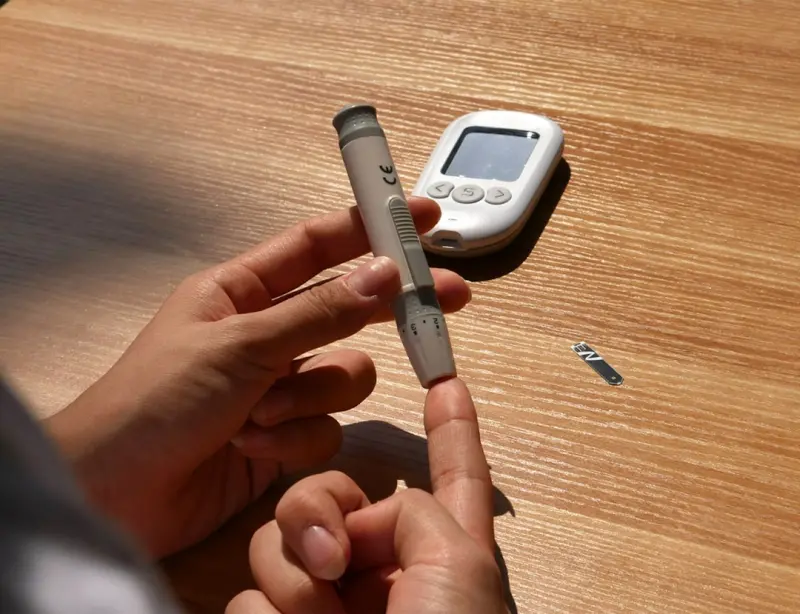
Gamify Your Blood Sugar: Turning Data Into Daily Wins
A modern, gamified strategy for blood sugar management that leverages wearables, community challenge... Read More

Blood Sugar as a Decision Engine: Real‑Time Data for Executive Edge
Treat glucose as a live decision engine: learn to use continuous monitoring, timing of protein‑ric... Read More
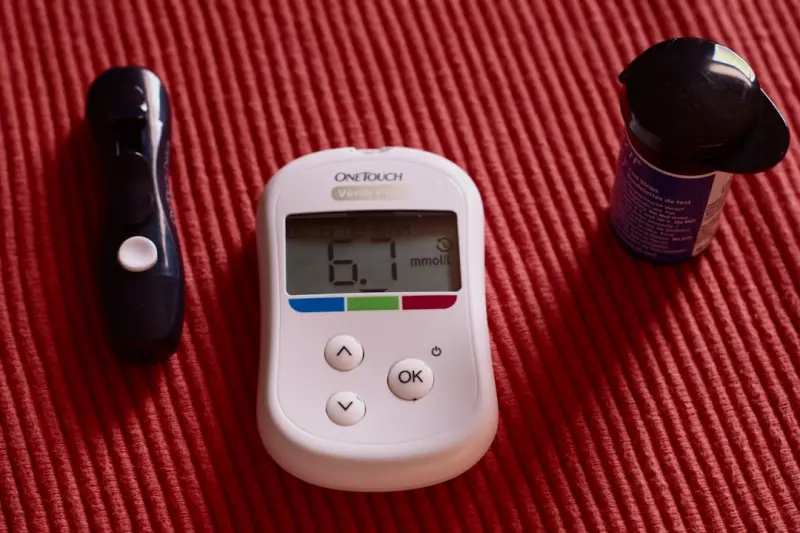
Blood Sugar as a Performance Lever: Timing, Movement, and Environment Hacks
Discover practical strategies to turn blood sugar from a hidden liability into a strategic advantage... Read More
Top Posts
Quiet Levers: Micro‑Habits to Naturally Lower Blood Pressure
A deep dive into subtle, everyday adjustments—from soundscapes and lighting to brief cold exposure and mindful breathing—that together create a powerful, na...Read More

Eating Disorders Unveiled: Jessica Hall’s Holistic Path to Recovery
Jessica Hall shares her raw experience with eating disorders and offers holistic, actionable steps—mindful meals, community, and professional care—to foster...Read More
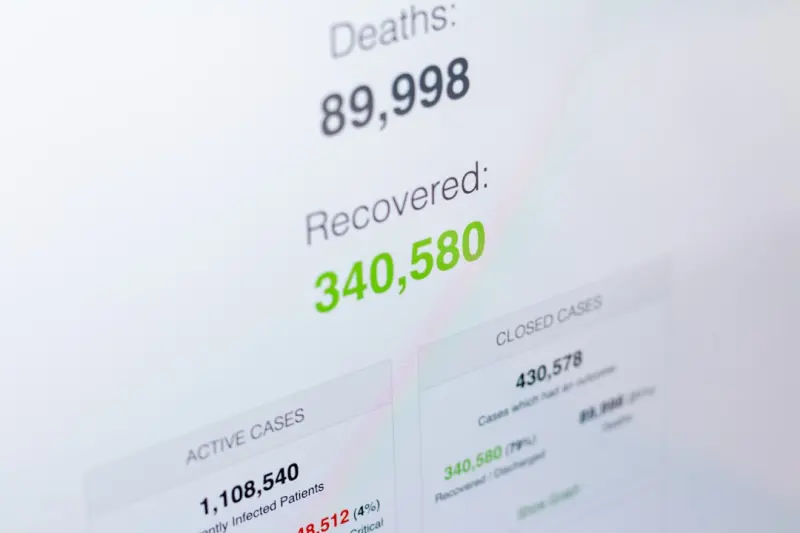
Community Challenges: Turning Prediabetes Data into Collective Momentum
A data‑rich but isolated approach often stalls prediabetes management. This post shows how a structured community challenge—using habit stacks, shared dashb...Read More

Cold Showers, Breathwork, and the Forgotten Art of Grounding: A Modern Man’s Guide to Resilience
A practical guide for men that blends ancient practices—controlled breathing, cold showers, and earthing—into daily routines, delivering lasting mental clar...Read More
0 Comments
Post Comment
You will need to Login or Register to comment on this post!