

Rethinking Nutrition: Beyond Calories to Synergistic Eating
Most of us have been taught to count calories as the ultimate measure of a healthy diet, yet this singular focus often eclipses the richer story of how foods interact inside our bodies. When nutrients collaborate rather than compete, the result is a cascade of enhanced absorption, sustained energy, and a fortified immune response that no calorie‑counting algorithm can predict.
Strategic Food Pairing: Unlocking Hidden Nutrient Power
Pairing fat‑soluble vitamins—A, D, E, and K—with a modest amount of healthy fats transforms a mere salad into a bioavailable feast; a drizzle of olive oil over carrot ribbons, for example, can boost beta‑carotene conversion to vitamin A by up to 30 percent. Likewise, pairing iron‑rich plant foods such as lentils with vitamin C sources like bell peppers dramatically enhances non‑heme iron uptake, turning a humble bean stew into a potent iron‑rich powerhouse.
Meal Sequencing: Harnessing Digestive Enzymes for Maximum Benefit
Starting meals with fibrous vegetables primes the digestive tract, activating brush‑border enzymes that prepare the gut for subsequent protein and carbohydrate digestion. By following a “greens‑first” approach—lettuce, broccoli, or zucchini before meat or grains—you can reduce post‑meal blood sugar spikes and improve satiety, a subtle yet powerful tactic that aligns with the body’s natural enzymatic rhythm. For readers curious about the link between timing and digestion, explore how circadian rhythm and digestion intersect to fine‑tune nutrient utilization.
Seasonal Harvest: Tapping Into Nature’s Nutrient Calendar
Seasonal produce isn’t just a culinary fad; it reflects the peak phytochemical profile of fruits and vegetables, meaning a summer‑ripe tomato carries more lycopene than a greenhouse‑grown counterpart harvested out of season. By syncing your grocery list with local farmers’ markets, you not only support sustainable agriculture but also invite a broader spectrum of antioxidants, vitamins, and minerals onto your plate, each aligned with the Earth’s natural cycles.
Herbs & Spices: Micronutrient Boosters with a Flavorful Twist
Beyond their aromatic allure, herbs and spices such as turmeric, rosemary, and parsley are dense reservoirs of polyphenols, flavonoids, and trace minerals that can amplify the nutritional impact of any dish. A pinch of turmeric, for instance, introduces curcumin—a compound that enhances the bioavailability of other nutrients while offering anti‑inflammatory benefits—making it a strategic addition to soups, smoothies, or even roasted vegetables.
Fermented Allies: Cultivating a Gut That Extracts More Nutrition
The symbiotic relationship between our gut microbiome and the foods we consume determines how effectively we harvest nutrients; fermented foods act as probiotic boosters that enrich this ecosystem. Incorporating kimchi, sauerkraut, or kefir into daily meals introduces beneficial bacteria that break down complex fibers, releasing otherwise inaccessible vitamins and minerals. For a deeper dive into how the body’s natural cleansing pathways work, see the guide on natural detox pathways.
Building a Nutrient‑Rich Plate: A Practical Blueprint
- Begin with a colorful base: at least three different vegetables or fruits, prioritizing deep‑hued options.
- Add a protein source: legumes, fish, poultry, or tofu, each paired with a complementary vitamin‑C or fat source.
- Incorporate healthy fats: avocado, nuts, seeds, or a spoonful of extra‑virgin olive oil.
- Season strategically: sprinkle herbs, spices, or a splash of fermented liquid for added micronutrients.
This simple framework transforms any meal into a balanced nutrient matrix, ensuring that macronutrients are supported by the micronutrients that facilitate their optimal use.
Budget‑Friendly Strategies: Nutrient Density Without Breaking the Bank
High‑quality nutrition doesn’t require exotic imports; frozen vegetables retain most of their phytochemicals and are often cheaper than fresh out‑of‑season produce. Bulk purchases of beans, lentils, and whole grains provide cost‑effective protein and fiber, while a modest weekly allowance for fresh herbs adds a burst of flavor and antioxidants. By rotating these staples, you create a diverse nutrient profile while keeping grocery bills manageable.
Take Action: Experiment, Track, and Celebrate Your Nutrient Wins
Start small—choose one meal a week to apply the food‑pairing principles, note energy levels, digestion comfort, and satiety, then adjust. Over time, you’ll notice subtle improvements: steadier blood sugar, brighter skin, and a more resilient immune system. Embrace this iterative journey, and let the synergy of foods become your most reliable health ally.

Deb Roberts is a freelancer who writes on various subjects, bringing versatility and depth to her work. Alongside her broad writing expertise, she has a special passion for horses.
Related Posts
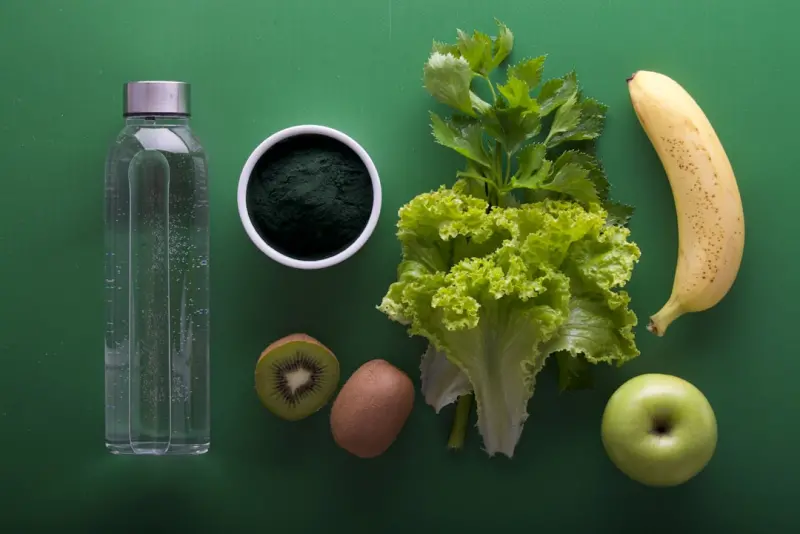
Unlocking the Power of Food Synergy: How Smart Pairings Boost Your Nutrition
Learn how pairing the right foods—like iron with vitamin C or fats with fat‑soluble vitaminsâ€... Read More

Nourish Your Mood: How Nutrient Timing Shapes Emotional Balance
Discover the power of nutrient timing—when you eat specific foods can influence hormones, mood, an... Read More
The Holistic Nutrition Reset: How to Fuel Your Body for Real, Sustainable Energy
Explore a holistic nutrition reset that blends whole foods, mindful timing, and sustainable habits t... Read More
Top Posts

When the Immune System Goes Rogue: A Data‑Driven Playbook for Living with Autoimmune Disease
Living with autoimmune disease can feel like a hidden chess match. This post offers a data‑driven playbook—covering symptom tracking, AI forecasts, immersiv...Read More

Living with Cancer: A Holistic Blueprint from My Journey
Deb Roberts shares her holistic cancer journey, blending mindful breathing, nutrient‑rich foods, gentle movement, insurance navigation, and community support ...Read More

The Silent Saboteur: Reclaiming Energy by Tackling Sleep Apnea
A personal guide on recognizing sleep apnea’s impact on high‑performers and a 30‑day plan with modern devices, smart habits, and simple lifestyle changes ...Read More

Seasonal Climate Hacks: Redefining Autoimmune Care One Weather Pattern at a Time
Explore practical, season‑focused strategies—like climate monitoring, sunlight scheduling, and seasonal nutrition—to proactively reduce autoimmune flareâ€...Read More
0 Comments
Post Comment
You will need to Login or Register to comment on this post!