
Why Food Pairings Matter More Than You Think
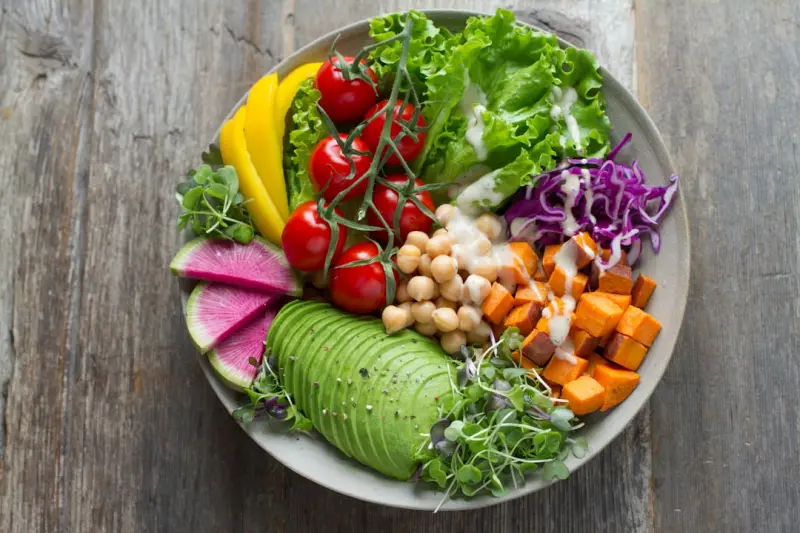
When I first started experimenting in the kitchen, I noticed that a simple drizzle of olive oil over a tomato salad made the flavors sing louder than either ingredient alone, and the after‑taste lingered with a surprising sense of satiety. That moment sparked a deeper curiosity about the invisible chemistry happening on our plates, where proteins, fats, fibers, and phytochemicals converse in ways that can amplify or mute each other’s benefits. Understanding these nutrient synergies turns everyday meals into strategic tools for health, not just passive consumption.
The Science Behind Nutrient Absorption
Research shows that fat‑soluble vitamins—A, D, E, and K—require dietary fat to cross the intestinal wall, so pairing leafy greens with avocado or nuts unlocks their full potential; similarly, non‑heme iron found in beans and lentils is dramatically boosted when eaten alongside vitamin‑C‑rich foods like bell peppers or citrus. These interactions aren’t random; they follow well‑mapped pathways involving transport proteins and cellular receptors that signal the body to prioritize certain nutrients. A quick reference can help you remember the basics:
- Vitamin C + iron → ↑ iron absorption
- Healthy fat + fat‑soluble vitamins → ↑ vitamin uptake
- Probiotic foods + prebiotic fibers → ↑ gut microbiome health
Everyday Combos That Supercharge Your Plate
Imagine a morning bowl of oatmeal topped with a spoonful of chia seeds, a splash of almond milk, and a handful of fresh berries; the omega‑3 fatty acids in chia work with the antioxidants in berries to reduce oxidative stress, while the calcium in almond milk aids bone health. For lunch, a quinoa salad tossed with roasted sweet potatoes, black beans, and a squeeze of lime not only balances protein and complex carbs but also merges the potassium of sweet potatoes with the magnesium of quinoa for smoother muscle function. Dinner can be as simple as grilled salmon, a side of sautéed kale, and a drizzle of lemon‑garlic dressing, delivering a perfect trio of omega‑3s, iron, and vitamin C in one bite.
Common Myths That Undermine Synergy
One pervasive myth is that “more is better” when it comes to supplements, leading many to stack isolated nutrients without considering how they interact; for example, excess zinc can impede copper absorption, creating an unintended imbalance. Another misconception is that cooking always destroys nutrients—while high heat can degrade some vitamins, it can also liberate others, such as lycopene in tomatoes becoming more bioavailable after a brief sauté. By debunking these myths, you empower yourself to make choices that respect the body’s natural integration processes.
Timing Your Meals for Maximum Benefit
Just as the Chrono‑Smart Living movement teaches us about aligning activities with our circadian rhythm, the timing of nutrient intake can enhance digestion and hormone regulation. Consuming protein‑rich foods earlier in the day supports muscle repair and keeps blood sugar steady, while a lighter, carbohydrate‑focused dinner can promote restful sleep by avoiding spikes in insulin. Pairing certain foods with specific times—like a vitamin‑B complex with breakfast to boost metabolism—creates a rhythmic harmony that your body intuitively follows.
Cultural Wisdom: Time‑Tested Pairings From Around the World
Many traditional cuisines have intuitively mastered nutrient pairing long before modern science caught up; think of the Japanese practice of eating miso soup with tofu and seaweed, a combination rich in iodine, calcium, and probiotics that supports thyroid health. In Mediterranean kitchens, the classic pairing of tomatoes with olive oil not only enhances flavor but also increases lycopene absorption, a powerful antioxidant linked to heart health. These time‑honored dishes demonstrate that cultural heritage often holds clues to optimal nutrition, offering a roadmap for contemporary experimentation.
Building Your Personal Synergy Blueprint
Start by cataloguing your favorite foods and noting their dominant nutrients, then experiment with small, intentional pairings to observe how you feel—more energized, less bloated, or improved focus. Keep a simple journal tracking meals, timing, and any changes in energy or digestion; patterns will emerge, revealing which combos resonate best with your unique biology. Over time, you’ll develop a personalized playbook that feels less like a strict diet and more like a dynamic, adaptable strategy for thriving.
Navigating the Information Overload of Modern Nutrition
In an era where diet trends flash across feeds faster than a scrolling thumb, it’s easy to feel overwhelmed; the key is to filter the noise and focus on evidence‑based pairings that align with your lifestyle. The Digital Boundaries article reminds us that reclaiming control over our digital consumption can free mental space for mindful eating, allowing us to listen to our bodies rather than external hype. By setting intentional limits on nutrition scrolling, you create room for thoughtful experimentation and deeper connection to the food you enjoy.
Take the Leap: Turn Every Meal Into a Nutrient Power Play
Armed with the science of synergy, cultural insights, and a personal tracking system, you’re ready to transform ordinary meals into purposeful health boosters—no need for expensive supplements or restrictive regimens. Start small, perhaps by adding a squeeze of lemon to iron‑rich greens, and watch how the subtle boost ripples through your day. As you refine your approach, you’ll discover that the most sustainable nutrition strategy is one that feels delicious, intuitive, and uniquely yours.

Sarah Gray is a proud Canadian who calls Brampton home, where she lives with her husband, Paul. A passionate home cook and gifted storyteller, Sarah loves creating delicious recipes and sharing stories inspired by everyday life, family, and cherished experiences. When she isn't experimenting in the kitchen, she's busy crafting engaging content that reflects her warmth, creativity, and love of connection. Above all, Sarah treasures time spent with her grandchildren, embracing every opportunity to create lasting memories with the people she loves most.
Related Posts

Nutrition and Mental Health: The Unbreakable Bond
Nutrition plays a critical role in maintaining good mental health. Learn how a balanced diet rich in... Read More
Nourish to Thrive: A Holistic Nutrition Reset for Busy Lives
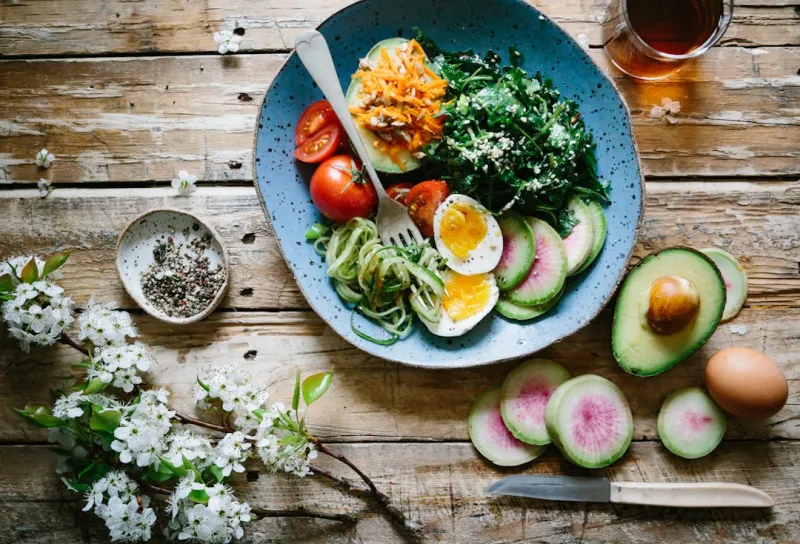
A fresh, holistic guide to fueling your body amid a hectic schedule—learn how to balance macros, s... Read More

From Potluck to Powerhouse: How Shared Meals Transform Workplace Culture
Shared meals do more than satisfy hunger—they build trust, spark creativity, and boost productivit... Read More
Top Posts
A Whole‑Body Detox Journey: My Holistic Blueprint for Vibrant Health
Explore my personal 7‑day detox blueprint, from nutrient‑dense meals to sleep and movement rituals, and learn sustainable habits to keep your body thriving....Read More

Detox From the Inside Out: Craig Brett’s Holistic Blueprint for a True Reset
Craig Brett reveals a comprehensive detox strategy that goes beyond juice cleanses, focusing on gut health, liver support, movement, sleep, and mindset for a su...Read More

Seasonal Climate Hacks: Redefining Autoimmune Care One Weather Pattern at a Time
Explore practical, season‑focused strategies—like climate monitoring, sunlight scheduling, and seasonal nutrition—to proactively reduce autoimmune flareâ€...Read More

Vaping at Work: Turning a Trend into a Strategic Advantage
A deep dive into how vaping can become a performance metric, a networking tool, and a health risk—offering professionals actionable insights to turn a common ...Read More
0 Comments
Post Comment
You will need to Login or Register to comment on this post!