

Why My Nights Feel Like an Unfinished Novel
Ever since I was a teenager, the dark has felt less like a blanket and more like a ticking clock, reminding me that I still have a thousand thoughts to finish before the sunrise. Insomnia became the unwanted co‑author of my evenings, scribbling its own plot twists—racing heart, endless to‑do lists, and that stubborn “what‑if” chorus that never fades. I’ve learned to listen to those restless chapters, not to silence them, because understanding the narrative is the first step toward rewriting it.
The Body‑Mind Disconnect That Fuels the Night
What most people miss is that the battle isn’t fought solely in the brain; it’s a full‑body negotiation where hormones, nutrition, and even posture whisper their own demands. When my cortisol spikes at 2 a.m., it’s not just anxiety—it’s my adrenal glands shouting, “I’m awake!” and my gut replying, “We’re not ready for this either.” By addressing these physiological cues, I’ve turned sleeplessness from an inexplicable curse into a solvable puzzle.
Holistic Tools I Swear By (and How to Use Them)
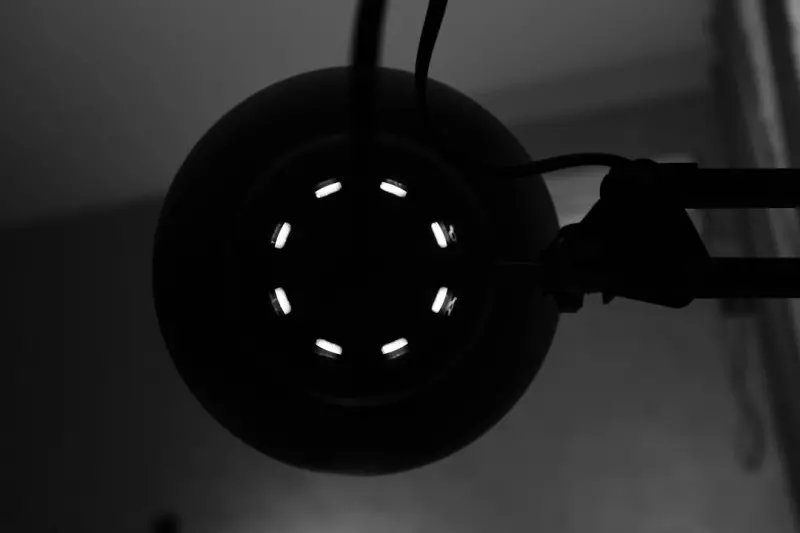
My toolbox includes breathwork that mimics the rhythm of ocean waves, a gentle evening yoga sequence that releases the tension stored in my shoulders, and a night‑time journal where I dump the day’s clutter in bullet points. I also keep a low‑lit amber lamp on, because blue light is a notorious thief of melatonin. These practices are simple, yet they create a cascade of signals that tell my nervous system, “It’s safe to drift.”
Nutrition: The Unsung Hero of Rest
Food is a powerful sleep architect; the wrong snack can turn a calm night into a frantic sprint. I’ve found that a modest handful of almonds paired with a splash of warm milk supplies magnesium and tryptophan, both of which coax the brain toward slow‑wave sleep. For deeper insight into how diet shapes our nights, see Nikki McDonald’s Holistic Nutrition Blueprint, which explores the gut‑sleep connection in detail.
The Hidden Dangers Lurking Behind Toss‑and‑Turn
Chronic insomnia isn’t just a nuisance; it’s a risk factor for cardiovascular disease, weakened immunity, and mood disorders. I once brushed off my daytime fatigue as “just a bad night,” only to discover a lingering inflammation that was quietly eroding my health. To grasp the full scope of these risks, I recommend reading The Hidden Dangers of Insomnia, which breaks down the science in an accessible way.
Technology: Friend or Foe?
Living in a hyperconnected world means our phones are the last thing we should touch before bed, yet we’re glued to them like lifelines. The constant stream of notifications spikes dopamine and keeps the brain in a state of alertness. For a deeper dive into reclaiming mental balance, check out Craig Brett’s Playbook, which offers practical steps to unplug without feeling lost.
When the Night Gets Too Heavy: Professional Help
If you’ve tried self‑care and still find yourself staring at the ceiling at 4 a.m., it’s time to consider a sleep specialist. Cognitive‑behavioral therapy for insomnia (CBT‑I) is a proven method that reshapes thought patterns and sleep habits, often delivering results faster than medication. Remember, seeking help isn’t a sign of weakness; it’s a strategic move in the long‑term game of health.
My Personal Night‑Time Routine (Step‑by‑Step)
1. Wind down at 9 p.m. with a dimmed lamp and a warm beverage; 2. Write three gratitude notes in my journal to shift focus from worries; 3. Perform a 5‑minute body scan, consciously releasing tension; 4. End with a 10‑minute guided meditation that visualizes a calm shoreline. By following these steps consistently, I’ve reduced my nightly awakenings by more than half.
Looking Forward: Embracing Rest as a Lifestyle
Sleep isn’t a luxury; it’s the foundation upon which our daily performance, creativity, and relationships are built. As I continue to experiment with holistic strategies, I’m reminded that each night offers a fresh canvas—one where we can paint calm, resilience, and hope. If you’re ready to transform your relationship with the night, start small, stay curious, and trust that the body knows how to heal when we give it the right cues.

Tammy French is a Montessori Teaching Assistant and freelance writer passionate about education, creativity, and inspiring lifelong learning through engaging content.
Related Posts
Rewiring Nighttime: How Biofeedback and Light Design Crush Insomnia
A practical three‑pillar strategy—biofeedback, ambient light engineering, and micro‑rituals—... Read More

When the Night Won’t Let You Sleep: Turning Wakefulness Into a Strategic Edge
Insomnia can be a hidden signal about your body and habits. This guide shows how to map triggers, le... Read More

The Clockwork of Calm: Re‑Engineering Your Evening to Defeat Insomnia
A step‑by‑step guide to designing a personalized evening routine that aligns light, temperature,... Read More
Top Posts

Breathing Easy at Work: Turning Sleep Apnea Into a Competitive Edge
Untreated sleep apnea silently erodes focus, decision‑making, and creativity. This article reveals the hidden costs and offers a data‑driven, wearable‑ena...Read More

Your Gut as the Compass: Steering Autoimmune Health with Microbial Insight
Jessica Hall shares a personal roadmap for using gut health to manage autoimmune disease, offering actionable tips, tracking methods, and lifestyle tweaks to cr...Read More

Beyond the Glucose Rollercoaster: Micro‑Movements and Mindful Habits for Stable Blood Sugar
Learn practical micro‑movements, breathing pauses, and smart hydration tricks that turn blood sugar management into a seamless part of your day, without drast...Read More

The Importance of Holistic Health Insurance: A Comprehensive Approach to Wellbeing
Holistic health insurance considers the whole person - body, mind, and spirit - when providing coverage for medical services. Learn how to prioritize nutrition,...Read More
0 Comments
Post Comment
You will need to Login or Register to comment on this post!