

Seeing Eating Disorders Through a New Lens
When I first stepped into a support circle for eating disorders, the room felt like a quiet laboratory where every whispered confession was a data point, and every sigh was a hypothesis about the body‑mind connection that had been ignored for too long. The dominant narrative that frames disordered eating as merely a battle of willpower or a vanity‑driven obsession is a shallow sketch; the reality is a complex tapestry woven from trauma, cultural messages, neurochemical imbalances, and the desperate search for a sense of control in a world that often feels chaotic. My own journey taught me that the first step toward healing is to replace judgment with curiosity, to ask not “why am I eating this way?” but “what am I trying to accomplish when I hide from food, and how can I meet that need in a healthier, more sustainable manner?” This shift in perspective opened the door to tools that honor the whole person—not just the scale or the mirror.
The Power of Narrative in Untangling Food‑Related Pain
Stories have an uncanny ability to reorganize the brain’s emotional circuitry, and when we give voice to the silent chapters of our eating histories, we create a roadmap for change that is both compassionate and actionable. In the same way that a well‑crafted novel can guide a reader through conflict toward resolution, a personal narrative can illuminate the hidden triggers—whether they are feelings of abandonment, perfectionism, or the subtle pressure of social media—that drive compulsive patterns around food. By framing our experiences within a coherent storyline, we allow the prefrontal cortex to step in as a regulator, reducing the limbic system’s frantic alarm signals that often manifest as bingeing or restriction. For those seeking a structured approach, the principles outlined in Story‑Centric, Environment‑First Blueprint offer a practical template for turning chaotic anecdotes into actionable chapters of recovery.
Community Cooking: A Kitchen as a Healing Space
Imagine a place where the sizzle of a pan and the aroma of fresh herbs become the soundtrack to a collective healing journey; that space exists in community cooking classes that deliberately blend culinary skill‑building with emotional safety. When we gather around a shared table to chop vegetables, measure spices, and taste the results together, we engage multiple senses that ground us in the present moment, dismantling the mental loops that often fuel disordered eating. The act of preparing food in a supportive group setting re‑educates the brain to associate nourishment with joy rather than anxiety, and the communal applause after a successful dish reinforces a positive feedback loop that can replace years of self‑criticism. Moreover, the collaborative nature of these classes cultivates a sense of belonging that counters the isolation many feel during recovery, turning the kitchen into a sanctuary where vulnerability is met with encouragement, not judgment.
Flavor Exploration as a Path to Mindful Eating
Delving into the nuanced world of taste can be a revolutionary act for anyone whose relationship with food has been fraught with fear or restriction, and the concept of culinary curiosity provides a roadmap for rediscovering pleasure without guilt. By intentionally experimenting with bitter greens, umami‑rich mushrooms, and the delicate balance of acidity and sweetness, we train our palate to recognize subtle differences, which in turn teaches the brain to appreciate satiety signals that are often muted by restrictive habits. This mindful tasting practice encourages a slower, more deliberate eating rhythm, allowing the gastrointestinal tract to signal fullness more accurately and reducing the impulse to overeat or under‑eat as a coping mechanism. Over time, the act of savoring each bite becomes a meditation, a ritual that re‑anchors the individual in their body’s innate wisdom and fosters a healthier, more respectful dialogue with food.
Nature’s Quiet Influence on Disordered Eating
Stepping outside the confines of four walls and immersing oneself in the subtle rhythms of the natural world can recalibrate the nervous system in ways that directly counteract the stress responses underpinning many eating disorders. The research highlighted in Finding Calm in the Wild demonstrates how exposure to green spaces lowers cortisol levels, steadies heart rate variability, and restores the body’s baseline state of equilibrium—conditions essential for breaking the cycle of anxiety‑driven eating patterns. Simple practices such as mindful walking among trees, listening to the rustle of leaves, or even gardening with one’s hands in soil can serve as grounding rituals that remind the individual of their inherent resilience and connection to life beyond the plate. By integrating regular nature breaks into a recovery plan, we provide a non‑verbal, sensory-rich alternative to the compulsive thoughts that often dominate meals, fostering a sense of peace that encourages healthier choices.
Creative Expression: Writing, Art, and the Healing Palette
Beyond the kitchen and the forest, the act of creating—whether through journal entries, sketching, or collage—offers a safe outlet for processing the tangled emotions that fuel disordered eating, turning abstract pain into tangible form. When we put pen to paper and describe the cravings, the shame, and the fleeting moments of relief, we externalize internal turmoil, making it easier to examine without the distortion of self‑criticism. Visual arts, similarly, allow the subconscious to surface through color and texture, providing insights that words sometimes cannot capture. Engaging in regular creative sessions builds a habit of self‑reflection that strengthens emotional regulation, reduces the intensity of urges, and cultivates a richer, more compassionate self‑identity that is not defined by food or body size. These artistic practices act as a complementary therapy, weaving together the cognitive, emotional, and sensory strands of recovery into a cohesive tapestry.
Building a Support Network That Honors Individuality
Recovery from an eating disorder thrives in ecosystems where trust, authenticity, and flexibility are paramount, and constructing such a network requires intentionality in choosing allies who respect both vulnerability and autonomy. Friends who listen without immediately offering solutions, clinicians who tailor interventions to personal history rather than generic protocols, and peer groups that celebrate small victories without judgment create a safety net that catches the individual during inevitable setbacks. Technology can also play a supportive role; secure online forums and moderated chat rooms provide anonymity while fostering community, allowing those who feel isolated to connect with others who share similar experiences. By diversifying the sources of encouragement—ranging from family meals that focus on connection rather than calories to therapeutic groups that explore body image through movement—we weave a resilient fabric of support that adapts to the evolving needs of the person in recovery.
Integrating Holistic Professional Care
While community initiatives and self‑directed practices are powerful, they reach their full potential when paired with professional guidance that addresses the physiological, psychological, and nutritional dimensions of an eating disorder. A multidisciplinary team—comprising a therapist versed in trauma‑informed care, a registered dietitian who emphasizes intuitive eating, and a medical practitioner monitoring metabolic health—ensures that each facet of the disorder is treated with expertise and compassion. Emerging modalities such as neurofeedback, which trains brainwave patterns to reduce anxiety, and somatic therapies that reconnect individuals with bodily sensations, are increasingly recognized as valuable adjuncts to traditional cognitive‑behavioral approaches. By embracing a holistic care model, we acknowledge that healing is not a linear path but a dynamic interplay of mind, body, and environment, each influencing the other in the pursuit of sustainable recovery.
A Vision of Hope and Sustainable Freedom
In the final analysis, reclaiming a healthy relationship with food is less about imposing strict rules and more about rediscovering the simple pleasures that once made meals a source of comfort, community, and creativity. The convergence of narrative work, communal cooking, nature immersion, and creative expression offers a multidimensional roadmap that honors the individuality of each survivor while providing concrete tools for lasting change. As we continue to share stories, open kitchens, and invite the natural world into our healing journeys, we not only dismantle the stigma surrounding eating disorders but also forge a collective resilience that extends beyond any single individual. The invitation is clear: step into the kitchen, step into the forest, pick up a pen, and allow yourself the grace to rewrite the script of your relationship with food—one mindful, flavorful, and compassionate chapter at a time.

Related Posts

Finding Freedom From Food: A Holistic Journey Through Eating Disorders
A candid, first‑person guide revealing how mindset shifts, holistic tools, and smart insurance use... Read More

When the Screen Becomes the Scale: Unmasking the Digital Triggers of Eating Disorders
A deep dive into how algorithm‑driven content, likes, and health‑tracking apps can silently nurt... Read More
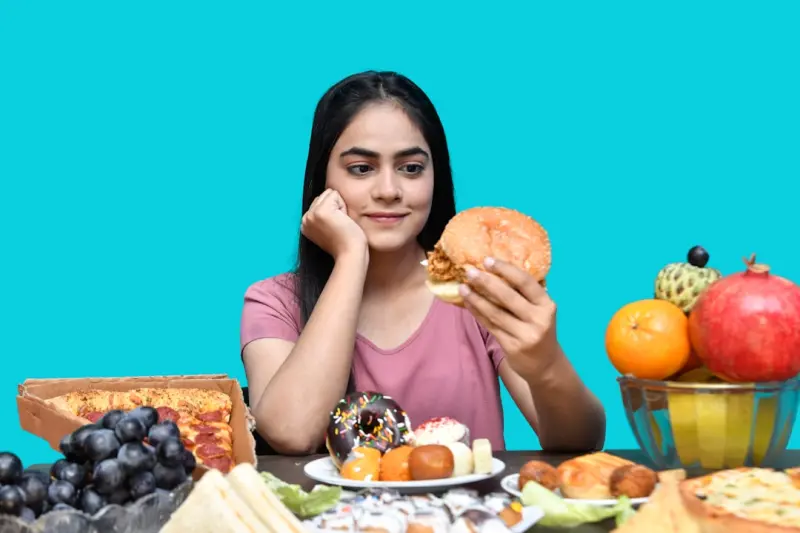
Beyond the Scale: A Compassionate Look at Eating Disorders
A heartfelt exploration of eating disorders that shifts focus from restriction to connection, offeri... Read More
Top Posts

Nurturing Your Liver: Everyday Practices for Long‑Term Vitality
Discover how consistent hydration, fermented foods, stress‑reduction rituals, and smart tracking can transform liver health, boosting metabolism and overall w...Read More
Living Awake: My Personal Journey with Narcolepsy
A candid, holistic look at daily life with narcolepsy—nutrition, exercise, brain health, and community—offering practical strategies and hopeful empowerment...Read More

Turning Your Health Insurance Into a Personal Wellness Engine
Discover a fresh perspective on health insurance that moves beyond emergency coverage. This guide shows you how to leverage preventive services, wellness stipen...Read More

Gut Health as a Strategic Edge for Leaders
Executive Paul Gray explains why gut health matters for leadership, offering science‑backed strategies, travel hacks, and workplace tweaks that boost focus, r...Read More
0 Comments
Post Comment
You will need to Login or Register to comment on this post!