
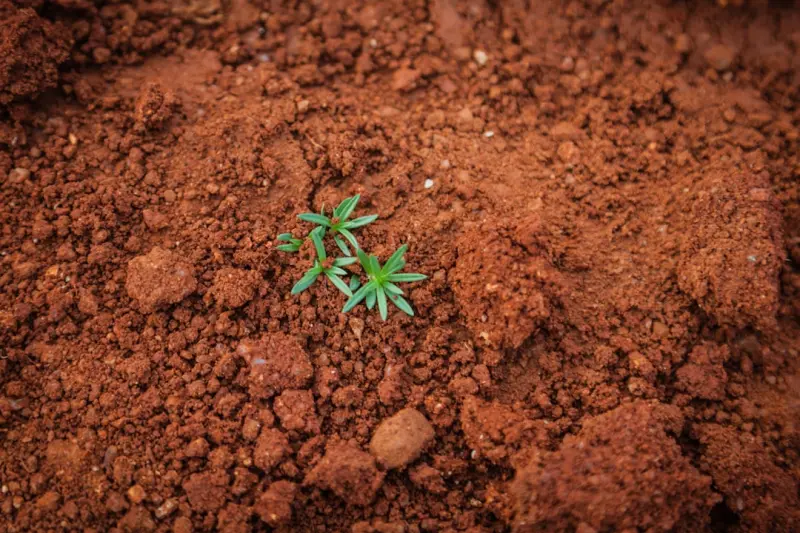
Why Soil Matters More Than You Think
When you press your hands into a garden bed, you’re not just feeling dirt—you’re tapping into an ancient network of microbes that quietly shape our immune system and emotional balance. Research shows that regular contact with soil can increase the diversity of beneficial bacteria on our skin and in our gut, fostering a more resilient immune response that helps fend off seasonal colds and chronic inflammation. By embracing the simple ritual of planting, we also trigger the release of serotonin and dopamine, neurotransmitters that lift mood and reduce stress, creating a feedback loop where the act of caring for living things directly nurtures our own mental health.
The Microbial Symphony Beneath Your Feet
Soil is a bustling metropolis of fungi, bacteria, and archaea, each playing a distinct role in nutrient cycling and plant health, and when we interact with this ecosystem we inadvertently invite some of these microscopic allies onto our own bodies. Studies have demonstrated that exposure to mycorrhizal fungi through gardening can enhance the production of short‑chain fatty acids in the gut, a key factor in regulating inflammation and supporting brain‑gut communication pathways. This subtle yet powerful exchange underscores why community gardens and backyard plots are emerging as public‑health assets in urban planning.
From Ground to Plate: The Nutrient Bridge
Plants grown in biologically rich soil absorb a broader spectrum of phytonutrients, minerals, and antioxidants, translating into more nutrient‑dense meals that boost cellular repair and hormone balance. When you harvest tomatoes, carrots, or leafy greens from a plot you’ve tended, you’re not only tasting fresher flavors but also delivering higher levels of vitamin C, magnesium, and polyphenols that support cardiovascular health and cognitive function. Pairing these home‑grown foods with strategic food combos, as explored in The Secret Power of Food Pairing, can further amplify their bioavailability, turning a simple salad into a powerhouse of wellness.
Grounded Movement: Exercise Meets Earth
Incorporating low‑impact activities like barefoot walking, tai chi, or gentle squats on grass stimulates proprioceptive sensors in the feet, sending calming signals to the nervous system that reduce cortisol spikes and improve balance. This practice, often called “earthing,” has been linked to better sleep quality, faster recovery after workouts, and a measurable decrease in markers of systemic inflammation. By merging movement with the tactile feedback of soil, you create a holistic routine that nurtures both muscular strength and emotional equilibrium.
Community Gardening as a Social Prescription
Beyond the physiological perks, communal garden projects serve as informal therapy sessions where participants share stories, exchange seeds, and build supportive networks that buffer against loneliness and depression. The collective goal of nurturing a shared plot fosters a sense of purpose and belonging, factors that epidemiological studies associate with lower mortality rates and improved mental resilience. Health practitioners are beginning to prescribe garden participation, recognizing its capacity to complement traditional treatments for anxiety and mood disorders.
Mindful Soil Practices for Daily Life
Even if a full‑scale garden isn’t feasible, incorporating soil‑related rituals into everyday routines can still deliver measurable benefits. Simple actions like repotting a houseplant, arranging a terrarium, or tending to a windowsill herb kit engage the hands‑brain connection, encouraging mindfulness and reducing rumination. Pair these moments with short breathing exercises or gratitude reflections, and you create a portable “soil sanctuary” that can be accessed in apartments, offices, or dorm rooms, democratizing the therapeutic power of earth.
Integrating Soil Health with Modern Nutrition Strategies
To maximize the synergy between soil exposure and diet, consider rotating crops in your garden to maintain microbial diversity, much like rotating probiotics in your supplement regimen. This approach mirrors the principles outlined in Fermented Foods, where variety fuels a robust microbiome, and it can be adapted to home cooking by pairing freshly harvested produce with fermented condiments such as kimchi or miso. The resulting meals not only delight the palate but also fortify the gut barrier, reducing leaky gut risks and enhancing overall immunity.
Future Directions: Research and Policy Implications
As the scientific community uncovers more about the soil‑human axis, policy makers are urged to protect urban green spaces and incentivize community garden initiatives, recognizing them as low‑cost public health interventions. Funding for longitudinal studies that track participants’ health outcomes over years will be crucial to validate anecdotal reports and integrate soil exposure into clinical guidelines. By championing policies that embed gardening into schools, workplaces, and healthcare facilities, we pave the way for a generation that views the ground beneath their feet not just as terrain, but as a vital partner in lifelong health.

Brody Lambert is an emerging freelance writer whose fresh voice and thoughtful approach are quickly making their mark. As a fairly new entrant in the world of freelance writing, Brody brings a blend of curiosity and dedication that fuels every project, crafting stories and content that resonate with authenticity and clarity.
Related Posts

Unplug to Recharge: Why Digital Boundaries Are the New Health Prescription
This post explores how constant connectivity stresses the body and mind, and offers practical strate... Read More
Unlocking Cognitive Resilience: A Fresh Playbook for Modern Professionals
Learn how to transform stress into a growth signal with three practical pillars—environmental micr... Read More

Why Urban Green Spaces Are Your Secret Weapon for Peak Mental Clarity
Explore the science behind green spaces and learn practical, data‑backed strategies to incorporate... Read More
Top Posts

Beyond the Panic: Unraveling the Secret Life of Sleep Terrors
Sleep terrors are more than night‑time scares—they’re signals from the body’s alarm system. This article explores the biology behind them, offers action...Read More
Perimenopause at Work: Turning the Change into a Competitive Edge
Perimenopause can affect focus, mood, and energy at work. This article explains the science behind the transition, identifies early signs, and offers practical ...Read More
Neuro‑Muscular Mastery: A Brain‑First Blueprint for Sustainable Muscle Gain
Learn how to combine brain training, everyday micro‑loads, and a sensory reset routine to create sustainable muscle gain without relying solely on heavier wei...Read More
Adaptive Thermogenesis: Turning Your Body Into a Fat‑Burning Engine
Discover how brief cold showers, a dash of spice, and frequent micro‑movements can rewire your body’s thermostat, boost metabolic rate, and help you lose we...Read More
0 Comments
Post Comment
You will need to Login or Register to comment on this post!