
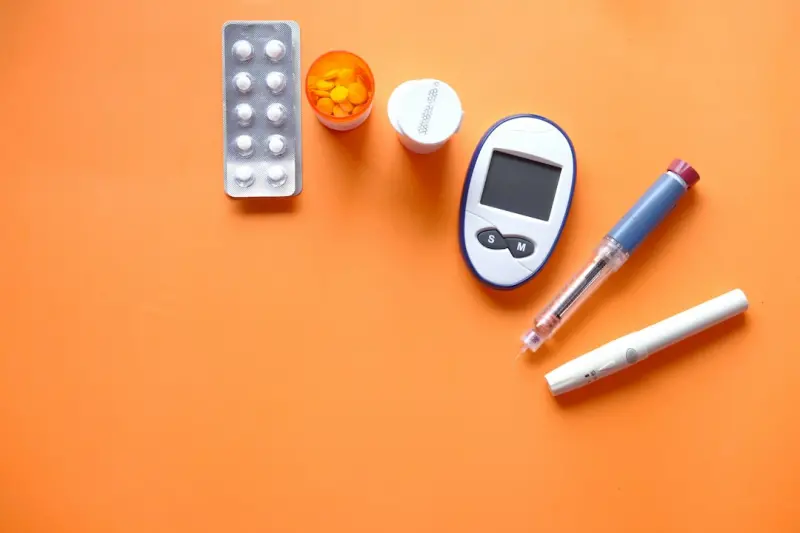
When I first started tracking my glucose levels, I assumed the solution was purely arithmetic: calories in, calories out, insulin doses, and a spreadsheet of carbs. What I quickly discovered, however, was that the narrative around blood sugar management is missing a vital chapter—food that actively works with your metabolism, not against it. Fermented foods are that chapter, quietly reshaping the gut microbiome, modulating hormone signals, and ultimately smoothing the peaks and valleys that many of us dread.
Why Fermentation Matters Beyond Probiotics
Most discussions about fermentation focus on the “good bacteria” angle. While it’s true that live cultures can populate the intestines, the real magic lies in the metabolic by‑products they produce during the fermentation process. These compounds—short‑chain fatty acids (SCFAs) like acetate, propionate, and butyrate—serve as signaling molecules that influence insulin sensitivity and appetite regulation.
But it isn’t just about adding a spoonful of kimchi to your lunch. It’s about understanding the cascade:
- Fiber breakdown: Fermentation turns otherwise indigestible fibers into SCFAs.
- SCFA absorption: Once absorbed, these acids travel to the liver where they modulate gluconeogenesis (the creation of glucose) and improve insulin receptor function.
- Hormonal crosstalk: SCFAs stimulate the release of peptide YY and GLP‑1, hormones that slow gastric emptying and blunt post‑meal glucose spikes.
In short, the gut becomes an active participant in glucose homeostasis, not a passive conduit.
Choosing the Right Ferments for Glycemic Control
Not all fermented foods are created equal. Below is a quick guide to the top contenders and why they deserve a spot on your plate.
- Kombucha: This lightly effervescent tea is fermented with a symbiotic culture of bacteria and yeast (SCOBY). The organic acids present help slow carbohydrate digestion, reducing the glycemic index of meals that follow.
- Kimchi: A Korean staple of fermented cabbage, radish, and spices. Its high fiber content paired with lactic acid bacteria makes it a potent SCFA generator.
- Tempeh: Fermented soybeans that retain a firm texture and nutty flavor. Tempeh’s protein and probiotic profile jointly support stable glucose levels, especially when substituted for refined grain carbs.
- Miso: This Japanese soybean paste, fermented with Aspergillus oryzae, brings both umami richness and a modest amount of live cultures that aid in glucose regulation.
- Sauerkraut: Simple shredded cabbage fermented with salt. Its high vitamin C content also supports adrenal health, which indirectly influences blood sugar via cortisol regulation.
Integrating Ferments Into a Real‑World Diet
For the busy professional, the challenge is not “what to eat” but “when and how to fit it in.” Here’s a practical framework that aligns with a typical workday:
- Morning starter: Replace your usual coffee creamer with a splash of kefir or a tablespoon of fermented oat yogurt. This delivers a probiotic boost before you even reach the inbox.
- Mid‑morning snack: Pair a handful of raw almonds with a few slices of pickled ginger. The ginger’s anti‑inflammatory properties complement the gut‑balancing effects of the ferment.
- Lunch power‑up: Add a generous serving of kimchi to a grain bowl or salad. The acidity helps slow the digestion of quinoa or brown rice, smoothing the post‑lunch glucose curve.
- Afternoon reset: Sip on a lightly sweetened kombucha (no more than 5 g of added sugar) to curb the mid‑day slump without triggering a sugar surge.
- Dinner finish: Top roasted vegetables with a spoonful of miso‑based glaze. The umami depth reduces the need for high‑glycemic sauces.
Balancing Ferments With Personal Metrics
Every body reacts differently, so data‑driven experimentation is essential. I recommend a simple three‑step loop:
- Track baseline: Use a continuous glucose monitor (CGM) for a week while eating your regular diet. Note the average post‑meal peaks.
- Introduce ferments: Add one new fermented item per day, keeping other variables constant.
- Analyze shifts: Look for a reduction in peak amplitude and a shorter time‑in‑range above 140 mg/dL. Even a 10‑15 % improvement is a meaningful win.
When you see measurable change, you’ve turned an anecdotal habit into a strategic lever.
Fermentation Meets Lifestyle Design
Beyond the plate, your environment can amplify the benefits of fermented foods. A recent piece on designing spaces that boost brain power highlighted how natural light, temperature control, and even scent can affect metabolic pathways. Imagine a kitchen bathed in morning sunlight, a countertop stocked with jars of sauerkraut, and a subtle aroma of fermenting vegetables lingering in the air. This sensory backdrop cues the body to anticipate probiotic intake, priming digestive enzymes and hormone release.
The Business Case: Fermented Foods as a Corporate Wellness Tool
Many organizations are already investing heavily in health insurance and wellness programs. Yet few have tapped the low‑cost, high‑impact potential of fermented foods. By partnering with local producers or offering fermented food kits as part of an employee benefits package, companies can:
- Reduce average employee glucose variability, which correlates with lower absenteeism.
- Boost morale through shared culinary experiences—think office kimchi‑making workshops.
- Demonstrate a forward‑thinking approach to nutrition that aligns with the strategic wellness partner model.
When executives see a direct link between fermented food initiatives and productivity metrics, the argument becomes data‑driven, not just anecdotal.
Common Pitfalls and How to Avoid Them
Even the best‑intentioned plan can stumble. Here are the most frequent missteps and quick fixes:
- Over‑reliance on sugar‑laden ferments: Some commercial kimchi or sauerkraut varieties contain added sugars to boost flavor. Always read labels and aim for products with less than 2 g of sugar per serving.
- Skipping the gradual introduction: A sudden influx of live cultures can cause mild digestive upset. Start with small portions (a tablespoon) and ramp up over two weeks.
- Ignoring sodium: Fermented vegetables often use salt as a preservation agent. For those managing blood pressure, opt for low‑sodium versions or rinse before consumption.
- Neglecting variety: Your gut thrives on diversity. Rotate between different ferments to expose your microbiome to a broader spectrum of microbes.
Future Trends: Fermentation Technology and Personalization
The next wave of innovation lies at the intersection of biotech and nutrition. Companies are developing precision fermentation platforms that tailor microbial strains to individual metabolic profiles. Imagine a future where a CGM syncs with a smart fridge, recommending a specific kombucha batch that aligns with your current insulin sensitivity.
While that vision remains on the horizon, the groundwork is already being laid. Early adopters who integrate traditional ferments now will be well‑positioned to leverage these emerging tools.
Takeaway: A Simple, Sustainable Edge
Managing blood sugar doesn’t have to be a relentless battle of counting carbs and calculating insulin doses. By weaving fermented foods into daily routines, you engage a biological ally that works from the inside out. It’s a low‑cost, low‑effort strategy that yields measurable glucose stability, supports gut health, and even enhances mental clarity.
Start small, track diligently, and let the science of fermentation become a cornerstone of your metabolic resilience.

William Roy is a freelance writer originally from Montreal who moved to Ottawa with his wife of 50 years to be closer to their grandkids. Alongside his writing, William has a passion for fishing.
Related Posts

How Hidden Stress Triggers Blood Sugar Surges and What to Do
Stress can stealthily raise blood sugar, even without a sugary snack. Learn why this happens and thr... Read More

The Clockwork Diet: Timing Your Meals to Master Blood Sugar
Learn how to harness your body’s circadian rhythm to manage blood sugar more effectively. This gui... Read More
How Your Home’s Air and Light Shape Blood Sugar Balance
Explore the hidden influence of indoor air and light on blood sugar regulation, with actionable tips... Read More
Top Posts

Playful Aging: How Lighthearted Movement Rewrites the Aging Narrative
A fresh take on healthy aging, this article shows how integrating playful movement into daily life can enhance brain health, physical resilience, and social con...Read More

Beyond Detox: How a Healthy Liver Fuels Peak Performance at Work
The liver, often overlooked in corporate wellness, is key to sustained energy, stress resilience, and mental clarity. This article reveals how strategic nutriti...Read More

Redefining Masculine Self‑Care: A Playbook for the Modern Man
A fresh, evidence‑backed guide helps modern men replace the “tough‑it‑out” mentality with sustainable self‑care practices, covering mindset, nutriti...Read More

Embracing Holistic Aging: My Journey to Vibrant Longevity
Explore how a holistic mindset transforms aging into a vibrant, purpose‑driven journey—covering sleep, gut health, exercise, and social connection....Read More
0 Comments
Post Comment
You will need to Login or Register to comment on this post!