
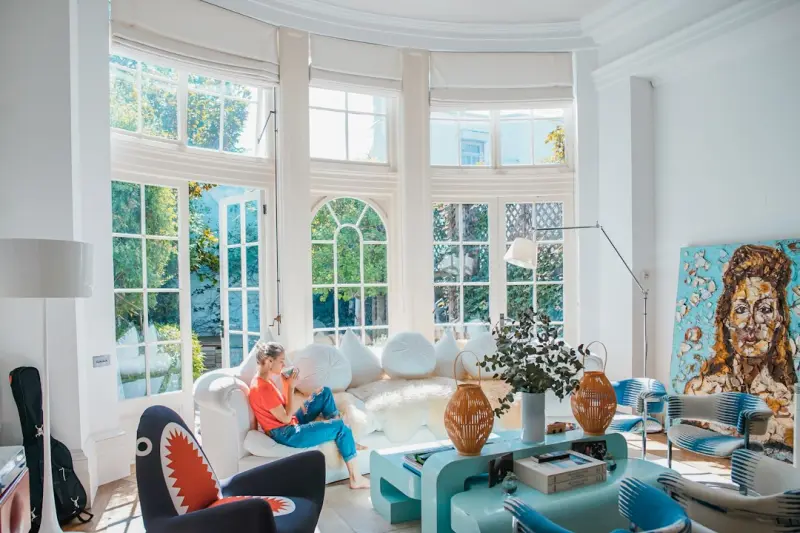
When I first helped my mother rearrange her living room, I thought I was just swapping a coffee table for a better‑view sofa. What I didn’t realize was that each subtle shift—adjusting lighting, clearing pathways, adding tactile cues—was quietly rewriting the script of her daily experience. The result? Fewer trips to the hallway, more confidence standing up from the couch, and a sparkle in her eyes that felt less like “I’m getting older” and more like “I’m still in control.” That moment sparked a personal mission: to explore how intentional home design can become a silent but powerful ally in healthy aging.
Why the Built Environment Matters More Than We Think
Most of us think of healthy aging as a combination of diet, exercise, and regular check‑ups. While those are undeniably vital, the spaces we inhabit shape our bodies and minds in ways we often overlook. The psychology of place tells us that our environment cues behavior—what we remember, how we move, even how we feel about ourselves.
Consider this simple truth: if a hallway is dimly lit and cluttered, the brain automatically registers it as a hazard. In response, the body tightens muscles, slows gait, and heightens anxiety. Over time, that micro‑stress can contribute to decreased mobility, reduced confidence, and even a higher risk of falls.
Conversely, a well‑lit, open, and tactilely engaging space sends a different message: “You are safe, you can move freely, you belong here.” That subtle encouragement can translate into more steps taken each day, sharper mental focus, and a sense of agency that fuels overall well‑being.
Principles for an Age‑Friendly Home
Below are five design pillars I’ve found most effective for creating an environment that supports graceful aging. They’re not about turning your home into a sterile medical facility; they’re about weaving comfort, safety, and joy into the very walls you live behind.
- Visibility and Light: Natural light regulates circadian rhythms, supports vitamin D synthesis, and reduces depressive symptoms. Position living areas near windows, use sheer curtains, and supplement with full‑spectrum bulbs that mimic daylight.
- Clear Pathways: Declutter high‑traffic zones. Keep cords, rugs, and low‑profile furniture away from walking routes. A clear path reduces the chance of tripping and encourages spontaneous movement.
- Tactile Guidance: Use contrasting textures and colors to differentiate floor surfaces. A smooth kitchen tile against a textured bedroom rug signals a transition, helping the brain orient itself without extra effort.
- Adjustable Seating: Chairs with firm seats, armrests, and a height that aligns with the knees reduce strain when standing up. Consider modular pieces that can be swapped as needs evolve.
- Accessible Storage: Place everyday items—medications, glasses, favorite books—at waist level. Avoid high cabinets that force risky reaching; instead, use pull‑out shelves or lower drawers.
Lighting: The Unsung Hero of Cognitive Health
Beyond visibility, lighting has a profound impact on brain function. Research shows that exposure to bright, blue‑rich light in the morning can sharpen attention and improve mood throughout the day. In the evening, warmer tones help wind down the nervous system, preparing the body for restorative sleep.
Implement a layered lighting strategy:
- Ambient Light: Overhead fixtures that evenly illuminate the room.
- Task Light: Adjustable lamps for reading, hobbies, or cooking.
- Accent Light: Soft uplights that create depth and reduce glare on surfaces.
For those who love technology, smart lighting systems can automatically shift color temperature based on the time of day, ensuring you get the right light at the right moment without having to think about it.
Flooring Choices That Encourage Movement
Flooring is often an afterthought, yet it directly affects balance and gait. Here’s a quick guide:
- Hardwood or Low‑Pile Carpet: Provides a stable surface while offering a slight cushion.
- Non‑Slip Vinyl: Ideal for bathrooms and kitchens where moisture is common.
- Rubber Mats: Perfect for workout corners or near the entryway to absorb impact.
Whatever you choose, make sure transitions between different flooring types are smooth. A sudden shift from hardwood to thick carpet can be a hidden trip hazard.
Soundscapes: Harnessing Auditory Cues for Calm and Alertness
While visual cues dominate design discussions, sound is equally influential. Soft ambient sounds—like a gentle water fountain or low‑volume nature recordings—can lower stress hormones and promote a sense of tranquility. Meanwhile, subtle auditory alerts (a soft chime when a door opens, for example) can serve as gentle reminders that aid orientation without being intrusive.
When you pair these auditory elements with purposeful visual cues, you create a multisensory environment that reinforces memory pathways. In fact, my mom now uses a small, discreet speaker in the hallway that plays a brief, pleasant tone each time she passes, reminding her of the route and keeping her mind engaged.
Integrating everyday curiosity boosts brain health Into Your Space
One of my favorite strategies for keeping the mind sharp is to turn the home itself into a learning playground. Place a bookshelf filled with a rotating selection of topics—science, history, art—within easy reach. Install a whiteboard or corkboard for doodles, notes, or new vocabulary. The very act of interacting with these elements stimulates neuroplasticity, reinforcing the brain’s capacity to adapt and grow.
Even simple changes, like swapping a familiar photo for a new piece of artwork every few months, can spark curiosity and conversation. When the brain encounters novelty, it releases dopamine, a neurotransmitter linked to motivation and memory formation. So, a fresh visual cue isn’t just aesthetic; it’s a cognitive workout.
Nutrition Meets Design: Creating a gut‑focused nutrition Kitchen
Design isn’t limited to walls and floors; it extends to the heart of the home: the kitchen. A layout that encourages the preparation of whole, gut‑friendly foods can make healthy eating feel effortless.
Key considerations:
- Visible Produce: Keep fresh fruits and vegetables in clear containers on the counter. Visibility reminds you to incorporate them into meals.
- Dedicated Fermentation Space: If you’re curious about probiotic foods, allocate a small shelf for kimchi, kefir, or kombucha brewing kits.
- Easy‑Access Spices: Organize herbs and spices at eye level. The more accessible they are, the more likely you’ll experiment with anti‑inflammatory flavors.
When the kitchen is arranged for convenience, the brain’s reward system is activated each time you choose a nutritious option—making healthy eating a habit rather than a chore.
Smart Home Tech: A Gentle Companion, Not a Replacement
Technology can be a double‑edged sword for seniors. While some fear that screens and devices create isolation, the right tools can actually reinforce independence. Here are a few tech solutions that complement, not dominate, daily life:
- Voice‑Activated Assistants: Set reminders for medication, appointments, or hydration without fumbling for a phone.
- Fall‑Detection Sensors: Discreet floor pads that alert a caregiver if a sudden impact is detected.
- Automatic Lighting: Motion‑sensitive bulbs that turn on at night, eliminating the need to search for switches.
Remember, the goal is to integrate tech that feels natural—like a quiet helper that fades into the background, letting you focus on living rather than managing devices.
Social Spaces: Designing for Connection
Human connection is a cornerstone of healthy aging. Yet, many homes inadvertently discourage interaction by compartmentalizing rooms or placing communal areas out of sight. Re‑imagine your layout to foster conversation:
- Open‑Plan Living: A modest open‑concept kitchen and living area encourages spontaneous gatherings.
- Cozy Nooks: Add a small, comfortable chair with a side table near a window—perfect for tea with a friend.
- Outdoor Extension: A screened porch or deck creates an inviting transition between indoor and outdoor social activities.
When spaces feel welcoming, they naturally draw people in, reinforcing the social ties that protect against loneliness and cognitive decline.
Future‑Proofing: Adapting as Needs Evolve
Healthy aging isn’t a static destination; it’s a journey that unfolds over decades. Designing with flexibility in mind ensures your home can grow with you. Consider these adaptable features:
- Adjustable Counter Heights: Install pull‑down sections or replace a segment with a lower-height work surface for seated cooking.
- Modular Furniture: Choose pieces that can be rearranged or swapped out as mobility changes.
- Universal Design Elements: Wide doorways, lever‑style handles, and zero‑threshold showers benefit everyone, regardless of age.
By anticipating future needs now, you reduce the stress—and expense—of major renovations later, preserving both financial health and emotional peace of mind.
Putting It All Together: A Sample Day in an Age‑Friendly Home
To illustrate how these principles weave into daily life, imagine a morning in a home designed for graceful aging:
- Wake Up: Soft, amber sunrise lighting fills the bedroom, gently coaxing the body out of sleep while supporting melatonin regulation.
- Hydrate: A water dispenser with a visible glass sits on the nightstand, reminding you to start the day hydrated.
- Move: The hallway’s non‑slip vinyl floor and contrasting border lines guide your steps to the kitchen, where natural light pours in through a wide window.
- Cook: A low‑height countertop and visible, fresh produce invite you to assemble a probiotic‑rich breakfast bowl—think kefir, berries, and chia seeds—supporting gut‑focused nutrition.
- Engage: While cooking, you glance at the open bookshelf and pick up a new puzzle book, fueling everyday curiosity that sharpens your mind.
- Connect: A friend drops by, and you settle into the living area’s comfortable, arm‑rested chairs—an intentional setup that encourages conversation and laughter.
- Rest: In the afternoon, you retreat to a sun‑lit reading nook, where a subtle soundscape of gentle waves masks outside noise, promoting relaxation.
Each element—light, floor, furniture, sound—works together to create a rhythm that supports physical safety, mental agility, and emotional fulfillment.
Take the First Step Today
Transforming your home doesn’t require a full overhaul. Start small: replace a dim hallway bulb with a brighter one, add a tactile rug runner, or reposition a favorite chair to a sunnier spot. Observe how these tweaks influence your mood, movement, and confidence.
Remember, the goal isn’t to chase perfection but to build an environment that whispers, “You are capable, you are valued, you can thrive,” every time you open a door.
Healthy aging is a mosaic of habits, relationships, and—crucially—spaces. By aligning your home with your aspirations for vitality, you set the stage for a life that feels as vibrant at seventy as it did at twenty.

Kelly Reynolds is a dynamic freelance writer hailing from the picturesque landscapes of Alberta. A master of the written word, she juggles her passion for storytelling with the exhilarating chaos of being a mother to five spirited children. With an impressive portfolio that spans various genres, Kelly captivates readers through her engaging blog posts and thought-provoking articles.
Related Posts
Playful Movement: Redefining Healthy Aging Through Joyful Motion
Embrace a playful approach to exercise, blending curiosity, breath, and everyday fun to enhance phys... Read More

How Small Home Tweaks Can Supercharge Healthy Aging
A practical guide shows how lighting, flooring, furniture layout, technology, and nature integration... Read More

The Power of Purposeful Connections for Healthy Aging
Healthy aging thrives on meaningful social bonds. This article explores intergenerational mentorship... Read More
Top Posts

The Hidden Power of Music and Tech Mentorship for Senior Wellness
A fresh look at senior health: pairing music therapy with tech mentorship to sharpen minds, lift spirits, and foster community, all backed by simple, actionable...Read More

When Data Meets Narrative: A New Frontier in Cancer Care
Combining patient stories with advanced data analytics offers a richer, more personalized approach to cancer treatment, enhancing symptom management, adherence,...Read More

Prioritizing Preventive Care: A Key to Unlocking a Healthier Future
Prioritizing preventive care is crucial for maintaining overall health and well-being. Learn how to make conscious lifestyle choices and prioritize preventive m...Read More

Fueling Creative Flow: Nutrition Strategies for the Modern Knowledge Worker
Explore a performance‑oriented nutrition framework—balanced macros, timed fuel, brain‑food staples, and hydration hacks—that transforms how modern profe...Read More
0 Comments
Post Comment
You will need to Login or Register to comment on this post!