
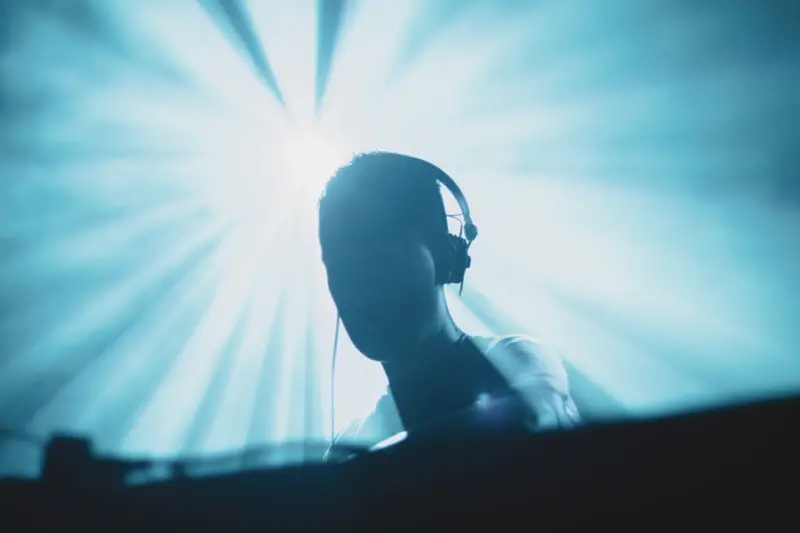
Why Music and Intergenerational Tech Matter for Senior Wellness
When I first walked into a local senior center armed with a battered acoustic guitar and a tablet loaded with video‑chat apps, I expected a polite applause and a quick “thank you,” but what unfolded was a chorus of curiosity that turned the room into a spontaneous jam session and a tech‑learning lab. Music, rhythm, and shared stories have a way of breaking down the invisible walls that age often builds, while the act of guiding younger folks through the quirks of smartphones ignites a sense of purpose that many retirees crave after years of structured work. The combination creates a feedback loop where the seniors feel valued, the youth feel heard, and the whole community experiences a lift in mood that ripples far beyond the session itself.
The Science Behind the Beat
Recent studies from neuro‑gerontology labs show that regular exposure to melodic patterns can stimulate the hippocampus, the brain region responsible for memory consolidation, effectively slowing the cognitive decline that many associate with aging; this is not just anecdotal hype but a measurable increase in neural connectivity observed through functional MRI scans. Moreover, the act of singing or playing an instrument engages the respiratory and cardiovascular systems, encouraging deeper breaths that improve oxygen saturation and even modestly lower resting heart rate, a benefit that mirrors the findings in more traditional exercise regimens. The bottom line is that musical engagement offers a multidimensional health boost—cognitive, emotional, and physiological—without the intimidation of a gym membership or the side effects of medication.
Bridging Generations Through Tech Mentorship
In parallel to the melodic benefits, the act of teaching younger family members or volunteers how to navigate a tablet, set up a video call, or explore a health‑tracking app awakens a different part of the brain, one that thrives on problem‑solving and social interaction; this dual‑stimulus approach aligns with the concept of “use it or lose it” that many geriatric specialists champion. By positioning seniors as the teachers rather than the learners, we flip the script on age‑related stereotypes, fostering confidence and reinforcing a sense of agency that can combat the depressive spirals that sometimes accompany retirement. The intergenerational exchange also seeds lasting relationships that extend beyond the classroom, creating a support network that can be called upon when health challenges arise, whether that’s a reminder to take medication or a quick check‑in after a doctor’s visit.
Getting Started: A Simple Blueprint
To turn this vision into a repeatable practice, start with a “musical tech circle” that meets twice a month in a community room, library, or even a garden shed; the first half of each session can be dedicated to a short jam where participants choose a song that holds personal meaning, while the second half transitions to a hands‑on tech tutorial that matches the skill level of the group. Keep the tech focus practical—think video‑calling grandchildren, using a health‑monitoring app, or exploring audiobooks—so the learning feels directly relevant to daily life, and use a simple agenda to keep the flow smooth. Don’t forget to document the progress with photos or short recordings, which can later become a shared digital album that both seniors and their younger partners can revisit, reinforcing the sense of accomplishment and community pride.
Connecting with Outdoor Spaces and Meal Timing
One of the most rewarding moments I’ve witnessed is when a senior group moves their jam session outdoors, letting the natural acoustics of a park or a community garden amplify the sound, while the fresh air stimulates the lungs and the mind—an experience that ties neatly into the benefits highlighted in Garden Paths to Longevity. Pairing this with a discussion on meal timing can further optimize energy levels; for instance, scheduling a light, protein‑rich snack an hour before the session can sustain focus and prevent blood‑sugar dips that might otherwise dampen enthusiasm. This holistic approach—combining music, technology, nature, and nutrition—creates a rhythm for the day that supports both physical stamina and mental clarity.
Overcoming Common Barriers
It’s natural for many seniors to feel a knot of apprehension when a tablet lights up with a sea of icons, or to worry that their voice might sound off‑key in a group setting; addressing these fears head‑on by normalizing the learning curve and celebrating small victories is crucial, and it helps to assign a “tech buddy” from the younger cohort who can provide one‑on‑one reassurance after the main session ends. Additionally, creating an environment free of judgment—where a missed note is met with laughter and a missed tap is met with patience—reinforces the idea that the goal is growth, not perfection. Accessibility features like larger fonts, voice‑assistants, and simple Bluetooth speakers can also bridge the gap, ensuring that sensory limitations do not become roadblocks to participation.
Success Stories That Inspire
Take Mrs. Alvarez, a retired schoolteacher who never learned to use a smartphone; after six weeks of mentoring a high school robotics club, she not only mastered video calls but also began livestreaming her weekly ukulele lessons, attracting dozens of viewers who comment on her soothing renditions of classic ballads. Or consider Mr. Patel, a former accountant who struggled with mild cognitive impairment; his involvement in a weekly drum circle, combined with a simple health‑tracking app he learned to navigate, revealed a pattern of improved sleep quality that his doctor confirmed through a follow‑up assessment. These anecdotes illustrate that when music and technology intersect, they generate tangible health markers—better mood, sharper memory, and stronger social bonds—that can be quantified and celebrated.
Putting It All Into Motion
If you’re reading this and feel a spark of curiosity, the first step is as easy as reaching out to a local senior center, library, or community garden to propose a pilot “Music Meets Tech” session, and then gathering a handful of enthusiastic volunteers who are eager to learn as much as they teach. Draft a simple flyer that highlights the dual benefits—brain‑boosting rhythms and practical tech skills—and post it on community bulletin boards, both physical and digital; remember to include a clear RSVP line so you can gauge interest and plan resources accordingly. Finally, celebrate each milestone, whether it’s a senior successfully sending a photo to a grandchild or completing a full song without hesitation, because those moments are the real metrics of health—proof that joy, connection, and purpose are the most powerful medicines we can prescribe.

Brody Lambert is an emerging freelance writer whose fresh voice and thoughtful approach are quickly making their mark. As a fairly new entrant in the world of freelance writing, Brody brings a blend of curiosity and dedication that fuels every project, crafting stories and content that resonate with authenticity and clarity.
Related Posts
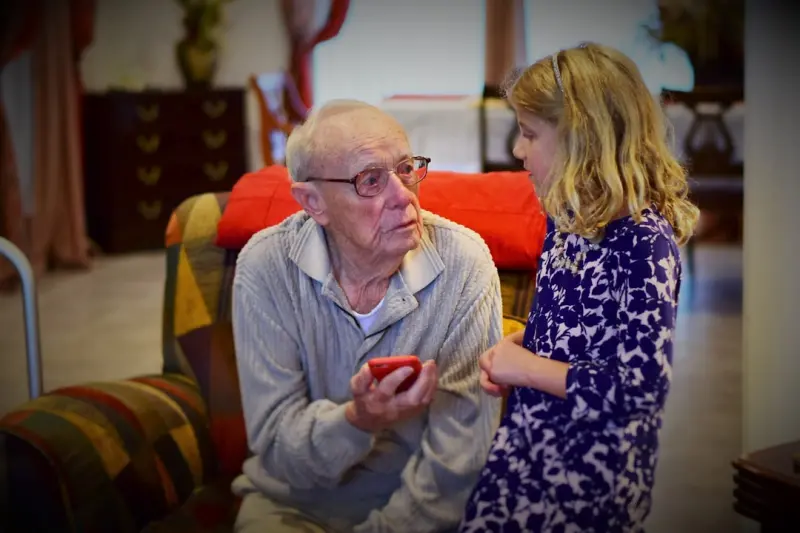
Why Lifelong Curiosity Is the Secret Sauce for Senior Well‑Being
Becky Putman shares how embracing curiosity can transform seniors' mental, physical, and emotional h... Read More
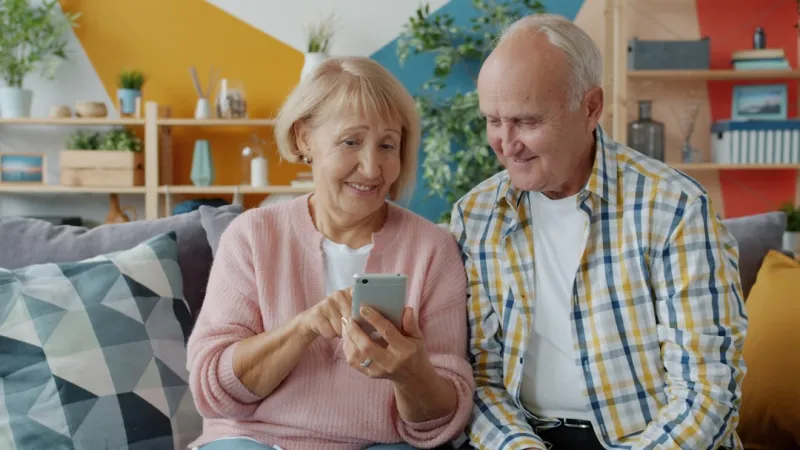
Holistic Health Secrets for Seniors: A Personal Journey to Vibrant Aging
A personal guide to thriving in senior years through holistic nutrition, gentle exercise, and purpos... Read More
Mental Health Matters: Breaking the Silence on Seniors' Wellbeing
Mental health is crucial for seniors' wellbeing. Learn about the importance of mental health, signs ... Read More
Top Posts
The Silent Ally: Harnessing Workplace Data to Detect Cancer Early
By leveraging existing wellness data, AI analytics, and a privacy‑first approach, companies can turn everyday health metrics into early cancer detection alert...Read More

Harnessing Narcolepsy’s Unexpected Edge for Creative Success
Discover strategies to capture spontaneous ideas, adapt work environments, and use humor to thrive with narcolepsy, turning challenges into creative advantages....Read More
Unlocking Hidden Hypertrophy: A Neuro‑Mindful Blueprint for Muscle Gain
A fresh, neuro‑focused strategy for building muscle that goes beyond reps, integrating brain‑muscle link, micronutrients, sleep optimization, and tech‑dri...Read More
When Cancer Meets Curiosity: Designing Resilience Beyond Treatment
A cancer diagnosis can become a catalyst for redesigning daily life. This article reveals how curiosity, micro‑rituals, narrative play, and personalized hydra...Read More
0 Comments
Post Comment
You will need to Login or Register to comment on this post!