
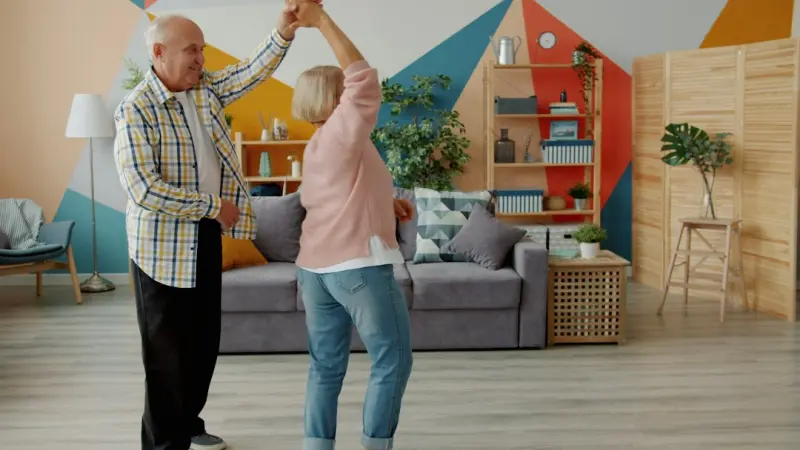
When I first slipped on a pair of roller‑skates at sixty‑two, the world seemed to tilt in a way that reminded me of childhood summers—wind in the ears, muscles waking from a long nap, and a grin that refused to be tamed. That reckless joy sparked a question that’s been humming in my mind ever since: what if the secret to thriving in later years isn’t a regimented checklist of “do this, avoid that,” but a playful invitation to move, explore, and laugh our way through the inevitable changes of aging?
The Myth of “Age‑Appropriate” Exercise
Fitness culture loves its labels: “low‑impact,” “senior‑friendly,” “gentle yoga.” While well‑intentioned, these descriptors can unintentionally cage us in a mindset that aging equals limitation. The truth is far messier—and far more exciting. Our bodies are built for adaptation; they respond to novelty, challenge, and, yes, a little bit of chaos.
Instead of treating exercise as a duty, I propose we reframe it as play. Think of the difference between a child learning to ride a bike and an adult meticulously tracking reps. The child’s focus is on the thrill of momentum, the wind on their face, the occasional wobble that ends in giggles. That same mindset can supercharge the aging process by keeping our neuromuscular systems fluid, our hormones balanced, and our spirits resilient.
Why Playful Movement Works
Neuroscientists tell us that novel movement patterns light up the brain’s motor cortex, fostering new synaptic connections. This is essentially “brain‑training” on steroids, but without the boredom of crossword puzzles. When you try a dance step you’ve never mastered or experiment with a new sport, you’re not just moving muscles—you’re demanding fresh communication between brain, nerves, and joints.
In a recent deep dive I did on curiosity as a neural gym, I highlighted how everyday intellectual curiosity fuels brain plasticity. The same principle applies to the body: curiosity about motion fuels physical plasticity. The more varied the movement, the richer the network of motor pathways, which translates to better balance, coordination, and injury prevention.
Designing a Play‑Centric Routine
Here’s a simple framework to inject play into your daily regimen without needing a gym membership or a choreographer:
- Mix the familiar with the strange. Pair a beloved activity—like a daily walk—with a twist, such as walking backward for a few meters, or adding a rhythmic arm swing that mimics rowing.
- Set micro‑missions. Challenge yourself to learn one new movement each week—a side‑step shuffle, a basic salsa turn, or even a simple animal gait like “crab walk.”
- Invite a partner. Social play amplifies the dopamine hit. Partner up with a friend, grandchild, or even a pet to turn a solo routine into a shared adventure.
- Embrace the environment. Use what’s around you—park benches for step‑ups, tree branches for gentle hangs, or a kitchen counter for balance drills.
The goal isn’t to hit a specific number of minutes on a treadmill; it’s to keep the body guessing, the mind engaged, and the heart smiling.
Micro‑Movement, Macro‑Benefits
Research on older adults who engage in varied, low‑intensity activities (think gardening, tai chi, light dance) shows measurable benefits in bone density, metabolic health, and even immune function. The magic lies in the micro‑stressors: tiny bouts of eccentric muscle work, balance challenges, and aerobic spikes that together create a hormonal symphony—boosting growth hormone, insulin sensitivity, and anti‑inflammatory cytokines.
One surprising ally in this symphony is the breath. While we’re not diving into full‑blown meditation sessions, a few mindful inhalations before a new movement can prime the nervous system for better coordination. I’ve found that a quick breath technique—a 4‑second inhale, 4‑second hold, 4‑second exhale—acts like a reset button for the nervous system, sharpening focus and reducing the fear of stumbling.
Stories from the Playground of Life
Consider Maya, a 68‑year‑old former accountant who discovered Zumba at her community center. She entered the class fearing she’d look foolish, but the rhythmic beats and group energy turned her hesitation into a weekly celebration. Six months later, she reported a 15 % increase in her walking distance, a noticeable lift in mood, and an unexpected perk: her blood pressure normalized without medication adjustments.
Or take James, a retired engineer who swapped his weekly crossword puzzle for a “retro video‑game night” with his grandchildren. The simple act of dodging on‑screen obstacles required rapid footwork and hand‑eye coordination. Within a year, his proprioception improved dramatically—he no longer needed a cane on uneven sidewalks.
These anecdotes underscore a core principle: play is a universal language that transcends age, and it carries a physiological punch that traditional “exercise for seniors” often underestimates.
Overcoming the Inner Critic
Most of us have an inner voice that whispers, “I’m too old for that,” especially when a new activity feels awkward. The trick is to treat that inner critic like a mischievous sidekick—acknowledge it, then gently out‑maneuver it with humor. Laugh at the wobble, celebrate the small wins, and keep the stakes low. Remember, the goal isn’t perfection; it’s momentum.
Creating a “failure‑friendly” environment is essential. Keep a journal of attempts, noting what felt good, what felt clumsy, and what you’d tweak next time. Over weeks, you’ll notice a pattern: the more you play, the less the fear of failure looms, and the more confidence builds.
Integrating Play Into Everyday Life
Here are three practical, low‑barriers ideas you can start today:
- Kitchen Salsa. While waiting for water to boil, put on a favorite song and spin around the kitchen island for a minute. It’s a quick cardio burst and a mood booster.
- Park Bench Circuit. Use a bench for step‑ups, tricep dips, and a quick seated leg raise. Add a “balance pose” by standing on one foot while brushing your teeth at home.
- Story‑Walk. Pair a stroll with a narrative—imagine you’re exploring an ancient ruin, and each landmark is a “checkpoint” where you perform a squat or a side‑shuffle.
These snippets illustrate that play doesn’t demand a schedule; it merely asks for imagination.
The Long‑Term Payoff
When you consistently sprinkle playful movement into your routine, you cultivate a reserve of physical and mental resilience often referred to as “functional elasticity.” This elasticity acts as a buffer against age‑related declines, enabling you to bounce back from minor injuries, maintain independence, and sustain a zest for life that radiates to those around you.
In the grand tapestry of healthy aging, the threads of joy, curiosity, and motion weave a pattern that’s far richer than any diet plan or supplement regimen. By honoring our inner child’s love for exploration, we gift ourselves a future where the body doesn’t merely endure time—it dances with it.

Brody Lambert is an emerging freelance writer whose fresh voice and thoughtful approach are quickly making their mark. As a fairly new entrant in the world of freelance writing, Brody brings a blend of curiosity and dedication that fuels every project, crafting stories and content that resonate with authenticity and clarity.
Related Posts
The Age‑Defying Power of Everyday Curiosity
Curiosity isn’t just a mental pastime; it’s a neuro‑biological catalyst that supports cognitiv... Read More
Unlocking the Secrets to Healthy Aging: A Holistic Approach
Healthy aging requires a holistic approach that takes into account the complex interplay between phy... Read More

Cultivating Connection and Purpose: A Fresh Blueprint for Healthy Aging
A deep dive into how nurturing relationships, finding daily purpose, staying curious, and moving joy... Read More
Top Posts

When Algorithms Feed the Beast: Untangling Digital Triggers in Eating Disorders
A deep dive into how algorithmic content shapes eating disorder triggers, offering practical strategies for awareness, digital boundaries, creative re‑engagem...Read More

Navigating Autoimmune Disease: A Holistic Path to Empowerment
A personal journey reveals how diet, sleep, mindful movement, and community support empower those living with autoimmune disease to thrive....Read More
Living with Narcolepsy: Harnessing Creativity and Resilience
A fresh look at narcolepsy shows how unexpected sleep episodes can spark creativity, improve personal routines, and build resilience, offering practical strateg...Read More
Navigating the Day: Real‑World Strategies for Living Beyond Narcolepsy
A candid, first‑person guide revealing space hacks, nutrition tips, mindfulness routines, and support‑building strategies that help people with narcolepsy t...Read More
0 Comments
Post Comment
You will need to Login or Register to comment on this post!