

From Shock to Story: Why My Cancer Journey Became a Narrative Quest
When the doctor said “cancer,” my world tilted on its axis, and the sterile hallway felt like a cold echo chamber where every breath was measured against an unseen timer; I remember the exact moment my mind flicked between disbelief and a fierce need to reclaim agency, a sensation that sparked a relentless inner dialogue about who I was beyond the diagnosis. In the weeks that followed, I discovered that the most powerful weapon in my arsenal was not a new medication or an experimental protocol, but the simple, stubborn act of putting my experience into words, turning raw fear into a story I could edit, share, and ultimately, own. That decision to frame the illness as a narrative rather than a verdict opened a doorway to creative resilience, allowing me to map the chaos onto a canvas where each brushstroke represented a choice, each paragraph a step toward reclaiming the plot of my own life.
The Healing Power of Personal Storytelling
Storytelling has long been the backbone of human culture, but in the context of a cancer diagnosis it morphs into a therapeutic ritual that rewires our emotional circuitry, offering a structured way to process trauma while simultaneously communicating the nuance of our experience to loved ones and clinicians; I began to treat my journal like a laboratory, testing hypotheses about fear, hope, and identity, and the results were astonishingly measurable in my mood and blood pressure. By embracing a personal storybook approach, I learned to compartmentalize the overwhelming flood of medical jargon into digestible chapters, each with its own protagonist, antagonist, and resolution, which not only eased the mental load but also gave my care team clearer insight into my priorities and pain points. This narrative scaffolding became a bridge between my inner world and the external treatment plan, fostering a sense of partnership rather than passive compliance.
Creative Expression as a Parallel Language
Beyond the written word, I turned to visual arts and music as parallel languages that could capture sensations my vocabulary failed to reach, discovering that splashes of color on a canvas could articulate the ache of chemotherapy without a single syllable, while a simple piano melody could echo the rhythm of my heart during a scan; each creative session acted like a rehearsal for emotional endurance, rehearsing the act of confronting uncertainty with curiosity instead of dread. The act of creating transformed my perception of the disease from a static enemy into a dynamic force that could be shaped, shaded, and, at times, softened, and the resulting artworks served as tangible milestones marking progress, setbacks, and moments of unexpected joy. By integrating these modalities into my routine, I cultivated a multi‑sensory diary that enriched my narrative and provided a sanctuary where the mind could wander beyond the confines of medical terminology.
Community Circles: Sharing Stories to Amplify Strength
Isolation is a common side effect of cancer, but I found that gathering with fellow survivors in story circles turned loneliness into a chorus of shared experience, where each participant’s voice added depth to the collective understanding of what it means to live with a tumor; the rhythm of listening and then being heard created a feedback loop that amplified hope, validated fears, and sparked practical advice that no textbook could provide. In these meetings, I noticed a subtle shift in my own narrative tone—from a solitary lament to a collaborative anthem—demonstrating how communal storytelling can rewire the brain’s threat response by replacing the singular “I am alone” mantra with a resonant “We are together.” This sense of belonging not only reduced my stress hormones but also inspired me to volunteer as a facilitator, extending the ripple effect of narrative healing to newcomers who might otherwise feel adrift in the clinical maze.
Science Meets Story: How Narrative Medicine Alters the Brain
Recent studies in neurobiology reveal that constructing a coherent narrative activates the prefrontal cortex, the region responsible for executive function and emotional regulation, while simultaneously dampening the amygdala’s alarm system, a process that can lower cortisol levels and improve immune function; by consciously shaping my cancer experience into a story, I was unknowingly engaging in a form of self‑directed therapy that mirrored the effects of mindfulness meditation and cognitive‑behavioral techniques. This neurological feedback loop explains why I felt a measurable reduction in fatigue after each journaling session, as my brain learned to reinterpret the “threat” of disease into a plot with potential for resolution rather than an endless loop of panic. Understanding the underlying mechanisms reinforced my commitment to narrative practice, turning it from a personal coping strategy into an evidence‑based complement to conventional treatments.
Gut‑Brain Connection Insights: Nutrition, Narrative, and Healing
While crafting my story, I also became acutely aware of the physical sensations that accompanied each chapter, prompting me to explore the gut‑brain axis and its influence on mood, inflammation, and treatment tolerance; I discovered that the foods I chose—fermented vegetables, fiber‑rich legumes, and bone broth—could modulate my microbiome, which in turn sent calming signals to my brain, reducing anxiety spikes that often accompanied scan days. By integrating these dietary adjustments with my narrative routine, I cultivated a holistic feedback system where each mindful bite reinforced the themes of resilience and nourishment woven into my story, a synergy highlighted in gut‑brain connection insights. This convergence of nutrition and narrative not only stabilized my digestive health but also amplified the emotional benefits of storytelling, creating a virtuous cycle of physical and psychological well‑being.
Practical Steps: Journaling Prompts and Artistic Exercises
To help others replicate this approach, I developed a set of simple prompts that guide the mind from chaotic thought to structured narrative, such as “Describe today’s treatment as if it were a character in a novel—what motives drive it, and how does it interact with the hero?”; I also recommend a weekly “color‑mood” exercise where you select a palette that reflects your emotional state and translate it onto a canvas, allowing subconscious feelings to surface without the need for words. These tools serve as entry points for patients who feel overwhelmed by the prospect of deep reflection, offering a scaffold that gradually builds confidence in self‑expression. By committing to a 10‑minute daily practice, I observed a steady decline in intrusive thoughts and an increase in purposeful action, evidence that consistency—rather than intensity—is the key to unlocking long‑term narrative benefits.
Bridging Narrative and Clinical Care
One of the most empowering aspects of my storytelling journey has been the ability to bring my narrative into the examination room, turning appointments into collaborative discussions where I present my story as a roadmap, highlighting peaks of resilience and valleys of vulnerability, which helps clinicians tailor interventions that respect both medical imperatives and personal values; I now hand my oncologist a concise “story brief” before each visit, outlining my current emotional chapter, treatment goals, and any narrative milestones I wish to celebrate. This practice has transformed the doctor‑patient dynamic from a hierarchical transaction into a partnership, reducing my anxiety and increasing my adherence to prescribed regimens because I feel heard and understood. Moreover, clinicians who embrace this model report higher satisfaction, noting that patients who can articulate their journey tend to ask more informed questions and engage more actively in decision‑making.
Long‑Term Resilience: Redefining Identity Beyond Cancer
As months turned into years, I realized that the narrative I had built did not end with remission; instead, it evolved into a living manuscript where cancer became a pivotal chapter rather than the title, allowing me to reclaim facets of my identity that had been eclipsed by treatment—such as my love for mentoring, my curiosity about nutrition, and my passion for community art projects; this reframing prevented the disease from defining my entire existence and opened doors to new purpose‑driven endeavors. The sustained practice of storytelling fortified my psychological immunity, equipping me with a mental toolkit that can be deployed in future health challenges, career transitions, or personal losses, illustrating that narrative resilience is a transferable asset. By sharing my evolving story, I hope to inspire others to view their own health battles not as static verdicts but as dynamic plots that can be rewritten, edited, and ultimately, celebrated.
Invitation to Begin Your Narrative Healing Journey
If you find yourself standing at the precipice of a cancer diagnosis, or navigating the winding road of survivorship, consider picking up a pen, a brush, or a simple notebook and allowing your experience to flow onto the page; the act of externalizing your thoughts creates a tangible anchor that can weather the storms of uncertainty, and you need not embark on this path alone—local support groups, online forums, and resources like the story circles I facilitate are ready to welcome you with open arms. Remember, the power of narrative lies not in perfection but in authenticity, and each imperfect line you write contributes to a larger tapestry of hope that can inspire clinicians, caregivers, and fellow patients alike. Embrace the pen as your ally, and let your story become the compass that guides you toward healing, purpose, and a future where cancer is a chapter, not the conclusion.

Related Posts
Turning Data into Hope: Real‑Time Analytics Redefine Cancer Care
A deep dive into the emerging world of real‑time data streams, AI-driven insights, and patient‑c... Read More
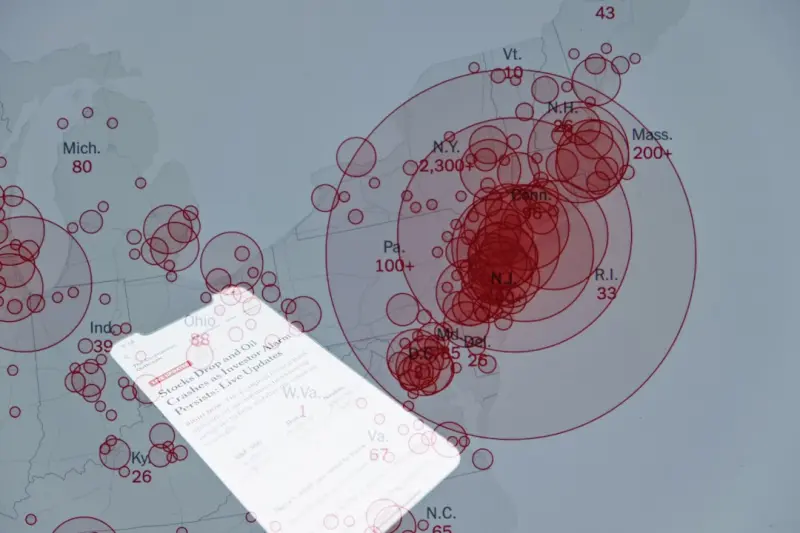
Decoding the Quiet Cancer Crisis: Data, Community, and Personal Power
A data‑rich, community‑focused approach can transform cancer from a hidden risk into a manageabl... Read More
When Cancer Meets Narrative: How Storytelling Becomes a Healing Tool
Storytelling isn’t just art—it’s a powerful therapeutic tool for cancer patients. Learn how na... Read More
Top Posts

Beyond Biceps: A Whole‑Health Playbook for Men
A modern man’s guide to thriving—learn how emotional agility, functional strength, strategic eating, and digital balance can transform your health beyond th...Read More
Beyond the Panic: Unraveling the Secret Life of Sleep Terrors
Sleep terrors are more than night‑time scares—they’re signals from the body’s alarm system. This article explores the biology behind them, offers action...Read More
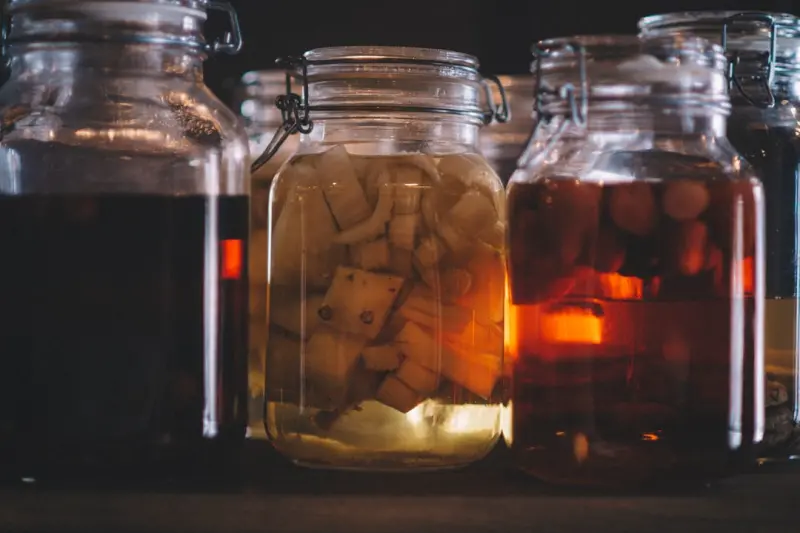
How My Fermentation Rituals Rewired My Gut‑Brain Connection
A personal journey into fermentation, seasonal prebiotics, and sleep reveals simple steps to strengthen the gut‑brain axis and boost mental clarity....Read More

Thriving After 60: A Holistic Roadmap to Vibrant Aging
A comprehensive guide to thriving after 60, blending mindset, nutrition, movement, sleep, brain health, and holistic practices for vibrant, lasting vitality....Read More
0 Comments
Post Comment
You will need to Login or Register to comment on this post!