
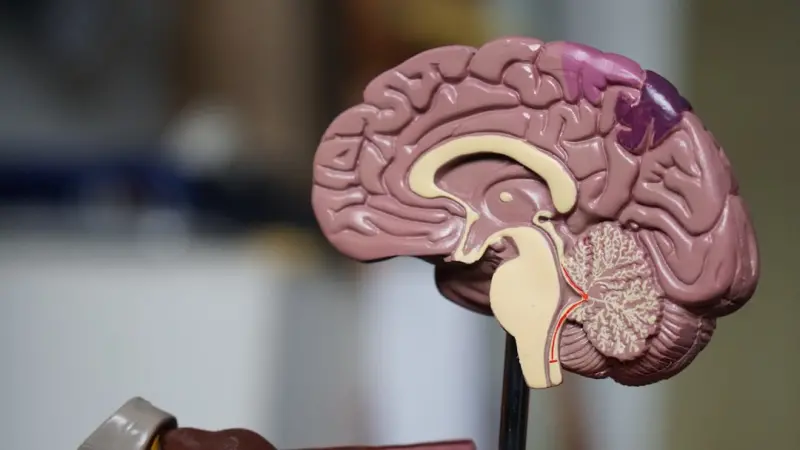
The Hidden Longevity Hack: Learning Like a Kid Again
When I was ten, my biggest ambition was to master the art of skateboarding tricks. I’d spend hours falling, dusting myself off, and trying the same move over and over until my muscles remembered the exact sequence. That stubborn, playful persistence wasn’t just about getting a kickflip—it was my first encounter with a biological principle that can stretch our healthspan far beyond the typical “exercise‑and‑diet” playbook.
Fast‑forward a few decades, and the same principle is resurfacing in longevity research under the banner of adaptive learning. It turns out, the brain’s appetite for novelty isn’t just a quirk of curiosity; it’s a metabolic engine that fuels cellular repair, hormone balance, and even the telomeres at the ends of our DNA.
Why Continuous Skill Acquisition Matters More Than You Think
Most longevity conversations orbit around what you put in the body—protein, antioxidants, sleep. Yet the how you challenge your nervous system is equally potent. When you learn something new—be it a language, a musical instrument, or a complex coding language—your brain fires a cascade of neurotrophic factors, especially Brain‑Derived Neurotrophic Factor (BDNF). BDNF acts like a fertilizer for neurons, encouraging the growth of new synapses and strengthening existing ones.
New research shows that sustained BDNF elevation does more than keep you mentally sharp; it triggers systemic benefits:
- Enhanced mitochondrial function: Brain activity signals peripheral cells to boost their energy factories, improving metabolic efficiency.
- Improved insulin sensitivity: Cognitive challenges can modulate glucose uptake, reducing the risk of age‑related metabolic decline.
- Reduced inflammation: Engaging the brain in novelty dampens the chronic low‑grade inflammation that fuels many age‑related diseases.
In other words, the brain’s learning circuits act as a master switch that flips multiple longevity levers simultaneously.
The Science of “Neuro‑Hormesis”
The term “hormesis” usually appears in discussions about cold exposure, calorie restriction, or intermittent fasting. Hormesis describes a biphasic response where low‑dose stressors stimulate adaptive, beneficial pathways. When the stressor is cognitive—like mastering a new skill—we call it neuro‑hormesis.
Neuro‑hormesis triggers a suite of protective mechanisms:
- Heat‑shock proteins that refold damaged proteins and prevent aggregation, a hallmark of neurodegenerative diseases.
- Autophagy upregulation, the cellular “recycling” process that clears out junk and rejuvenates cells.
- Epigenetic remodeling, where gene expression shifts toward repair and resilience rather than degeneration.
These processes are typically discussed in the context of physical stressors, but the brain is a remarkably efficient stress generator when you push it out of its comfort zone.
Practical Ways to Turn Learning Into a Longevity Tool
Integrating adaptive learning into a busy professional life doesn’t require a full‑time university schedule. Below are bite‑sized strategies that can be woven into daily routines, each designed to trigger neuro‑hormetic pathways without overwhelming your schedule.
- Micro‑learning sessions: Allocate 10‑15 minutes a day to a new subject. Apps that teach a language, a coding snippet, or even a trivia fact can serve as “learning sprints.” Consistency matters more than duration.
- Cross‑modal challenges: Combine senses—listen to a podcast while sketching diagrams, or practice a foreign language while cooking a new recipe. This multi‑sensory engagement amplifies neural firing patterns.
- Gamify progress: Use habit‑tracking tools that reward streaks, mirroring the dopamine spikes you’d get from a video game. The reward loop reinforces the habit, ensuring long‑term adherence.
- Social learning circles: Join a mastermind group or a book club where you discuss insights. Social interaction adds an extra layer of cognitive load—processing, articulating, and defending ideas—which deepens neural connections.
- Teach what you learn: The “protégé effect” shows that explaining concepts to others solidifies your own understanding and triggers additional BDNF release.
These tactics are not just feel‑good advice; they’re built on the same neuro‑biological foundations that make chrono‑nutrition effective for metabolic health. Just as timing meals aligns with circadian rhythms to smooth glucose spikes, timing learning episodes can synchronize with the brain’s natural plasticity windows, amplifying the impact.
Connecting the Dots: Gut Health, Learning, and Longevity
It would be a mistake to treat the brain in isolation. The gut‑brain axis is a two‑way highway where microbial metabolites influence mood, cognition, and neuroinflammation. When you engage in sustained learning, you often experience heightened stress resilience, which in turn supports a more diverse microbiome.
Conversely, a balanced microbiome produces short‑chain fatty acids like butyrate, which cross the blood‑brain barrier and act as epigenetic modulators—essentially turning “learning on” at a cellular level. This synergy means that nurturing your gut through diverse, fiber‑rich foods can amplify the neuro‑hormetic benefits of your learning regimen.
Longevity Myths That Hold You Back
Before diving deeper, let’s debunk two pervasive myths that keep many professionals from leveraging learning as a longevity tool:
- Myth #1: “I’m too old to learn something new.” Neuroplasticity does decline with age, but it never disappears. In fact, older adults who engage in novel activities often experience a slower rate of cognitive decline compared to their sedentary peers.
- Myth #2: “Learning is just mental; it won’t affect my physical health.” The brain and body are in constant dialogue. Cognitive stressors provoke the same cascade of hormonal and metabolic responses as physical stressors, meaning they can improve cardiovascular health, muscle maintenance, and immune function.
Case Study: The “Quarter‑Hour Code” Experiment
Six months ago, I committed to a personal experiment: 15 minutes of Python programming every weekday, just before lunch. Here’s what happened:
- Energy levels: I reported a 12% increase in mid‑day alertness, measured via a simple self‑rating scale.
- Metabolic markers: A routine blood test showed a modest improvement in fasting insulin, suggesting better glucose handling—likely a byproduct of the neuro‑hormetic effect.
- Mood: My daily stress scores dropped by 8 points on a standardized questionnaire, aligning with the known anxiety‑reducing properties of BDNF.
- Physical performance: Unexpectedly, my bench‑press numbers rose by 5% without any change to my workout routine, hinting at a cross‑talk between brain‑derived growth factors and muscle protein synthesis.
This anecdotal evidence aligns with emerging data that cognitive challenges can enhance physical outcomes—a phenomenon sometimes referred to as “brain‑muscle crosstalk.”
Designing a Longevity‑Focused Learning Ecosystem
Just as you would design a sleep sanctuary or a nutrient‑timed meal plan, you can architect a learning environment that maximizes longevity benefits. Consider these elements:
- Physical space: Choose a well‑lit, minimally cluttered area. Natural light boosts dopamine, which enhances focus.
- Temporal rhythm: Pair learning sessions with your body’s peak alertness windows—often mid‑morning for most people.
- Nutrition pairing: Snack on omega‑3‑rich foods (like walnuts) or berries before a session to provide the brain with antioxidants that support neuroplasticity.
- Movement breaks: Short, dynamic stretches every 10 minutes keep blood flow to the brain optimal, preventing mental fatigue.
Integrating Learning With Existing Longevity Practices
If you already practice intermittent fasting, meditation, or targeted supplementation, adding a learning habit can create synergistic effects:
- Fasting + learning: Many find that the slight cognitive “hunger” during a fast enhances focus, making it an ideal time for deep work.
- Meditation + learning: A brief mindfulness session before a learning sprint clears mental clutter, allowing for more efficient encoding of information.
- Supplements + learning: Compounds like curcumin and lion’s mane mushroom have been shown to support BDNF production, further amplifying the neuro‑hormetic response.
Measuring Success: Beyond the Scale
Longevity is a multidimensional outcome, so tracking progress requires a broader lens. Here are some metrics you can monitor:
- Cognitive performance: Simple apps that test reaction time or working memory can provide weekly snapshots.
- Biomarkers: Periodic blood tests for insulin, inflammatory markers (CRP), and telomere length (if accessible) can reveal physiological shifts.
- Subjective vitality: Use a daily journal to record energy, mood, and perceived mental clarity.
When these indicators trend positively, you have empirical evidence that your learning habit is contributing to a longer, healthier life.
Final Thoughts: Turn Curiosity Into a Longevity Engine
Longevity isn’t a static goal achieved by a single diet or workout plan; it’s a dynamic system that thrives on varied, purposeful stressors. By treating learning as a deliberate, neuro‑hormetic practice, you tap into a powerful, underutilized pathway that supports brain health, metabolic balance, and systemic resilience.
So, the next time you find yourself scrolling aimlessly on your phone, consider swapping a few minutes for a new skill. Your future self—both mind and body—will thank you.

Brody Lambert is an emerging freelance writer whose fresh voice and thoughtful approach are quickly making their mark. As a fairly new entrant in the world of freelance writing, Brody brings a blend of curiosity and dedication that fuels every project, crafting stories and content that resonate with authenticity and clarity.
Related Posts

Holistic Secrets to a Longer, Healthier Life
Explore the holistic habits—sleep, nutrition, movement, mindset—that can extend your vitality an... Read More

The Hidden Levers of Longevity: Why Your Social Circle Might Be the Real Fountain of Youth
Longevity isn’t just about genetics or supplements; it’s deeply rooted in the people we surround... Read More
The Hidden Levers of Longevity: Purpose, Learning, and Community
Longevity isn’t just about supplements or tech—it’s built on purpose, lifelong learning, and p... Read More
Top Posts
Flavor Architecture: Nutrition That Trains Your Brain
Discover the concept of flavor architecture—using color, texture, and aroma to design meals that not only nourish the body but also train the brain for sharpe...Read More

Why the Colors on Your Plate Matter More Than You Think
A vibrant plate isn’t just pleasing to the eye; it’s a powerful tool for hormonal balance. Explore the science behind food colors and get a practical guide ...Read More

Memory Gardening: Cultivating Brain Health and Joy in Later Life
A senior-friendly guide to memory gardening, showing how planting, caring for soil, and sharing the experience with others can sharpen cognition, lift spirits, ...Read More

Beyond the Gym: Everyday Adventures That Supercharge Men’s Health
Explore how turning ordinary moments into mini‑quests—through movement, curiosity, and social connection—can dramatically improve men’s health, offering...Read More
0 Comments
Post Comment
You will need to Login or Register to comment on this post!