
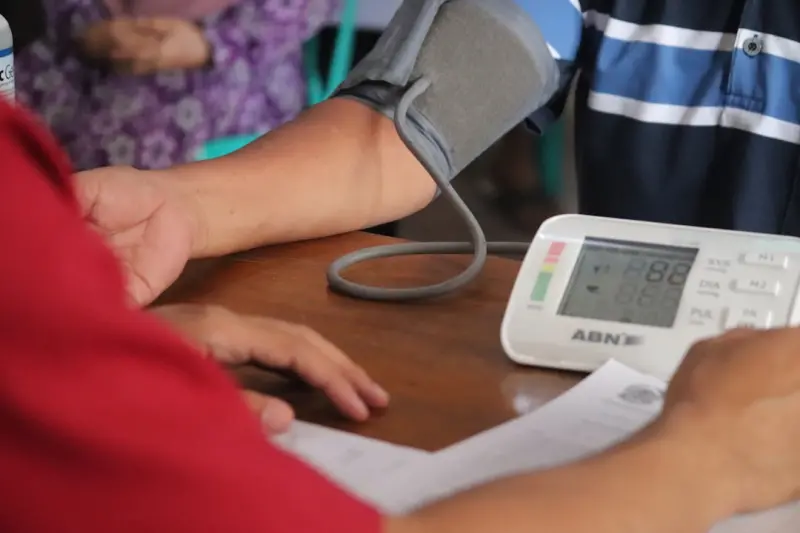
When we think about blood pressure, the first images that pop into our minds are usually medication bottles, doctor’s appointments, or frantic attempts to squeeze in a workout. But what if I told you that some of the most powerful levers for a calmer, healthier vascular system are hidden in the very rooms you inhabit every day? As someone who’s spent years translating complex health science into everyday language, I’ve learned that the environment we create for ourselves can be a silent, steady partner in blood pressure management. Below, I’m sharing a step‑by‑step playbook for turning your home into a blood‑pressure‑friendly sanctuary—without spending a fortune or overhauling your lifestyle overnight.
1. The Hidden Connection Between Space and Vascular Health
Our bodies are exquisitely sensitive to the signals they receive from the world around us. Light, temperature, scent, sound, and even visual clutter can trigger the autonomic nervous system, the same system that controls heart rate and vascular tone. When the nervous system is constantly in “fight‑or‑flight” mode, the arteries stay constricted, and blood pressure climbs. Conversely, environments that cue relaxation invite the parasympathetic branch to take the helm, allowing vessels to dilate and pressure to settle.
2. Light: Not Just for Seeing, but for Stabilizing
Natural daylight is a powerhouse. Exposure to bright morning light helps set the circadian rhythm, which in turn regulates cortisol—a hormone that, when chronically elevated, can push blood pressure upward. Here’s how to harness light:
- Maximize morning sunshine. Keep curtains open for at least 30 minutes after waking, or place a small reading lamp near a window to catch the early rays.
- Use warm, dimmable bulbs in the evening. Blue‑rich light after sunset can suppress melatonin, delay sleep onset, and keep the sympathetic nervous system humming.
- Consider a light‑therapy box. If you live in a region with short winter days, a 10,000‑lux box for 10‑15 minutes each morning can mimic natural daylight and help keep blood pressure in check.
3. Color & Visual Calm
While “color therapy” might sound like a new‑age buzzword, research shows that certain hues can affect heart rate variability (HRV), a key indicator of stress resilience. Soft blues and greens are associated with lower heart rates and reduced vascular resistance, whereas intense reds can subtly increase arousal.
Practical steps:
- Paint a bedroom accent wall in a muted teal or sage.
- Introduce cushions, rugs, or artwork that feature cool tones.
- If you love bold colors, confine them to spaces where activity levels are higher (e.g., a home gym), keeping relaxation zones more subdued.
4. Temperature: The Goldilocks Zone
Extreme temperatures—whether an overheated office or a drafty basement—force the body to work harder to maintain core temperature, nudging blood pressure upward. Aim for a steady 68‑72°F (20‑22°C) during the day and a slightly cooler 60‑65°F (15‑18°C) at night. This range supports the natural dip in blood pressure that should occur during sleep.
Tips to achieve this without skyrocketing utility bills:
- Use a programmable thermostat that lowers the temperature at night.
- Layer clothing and blankets instead of cranking the heat.
- Place a small fan or a portable heater in the room you spend the most time in, rather than heating the entire house.
5. Air Quality Beyond “Breathing Better”
While indoor air quality has been discussed elsewhere, let’s zoom in on one overlooked aspect: humidity. Too dry air irritates nasal passages and can increase sympathetic drive, while overly humid conditions foster mold, both of which can subtly raise blood pressure. Aim for 40‑55% relative humidity.
Simple solutions:
- Use a hygrometer to monitor indoor humidity.
- Place houseplants such as peace lilies or Boston ferns—they naturally regulate moisture.
- In dry climates, run a humidifier at night; in humid areas, employ a dehumidifier or an exhaust fan in the kitchen and bathroom.
6. Greenery: Nature’s Vascular Ally
Plants do more than look pretty. They release phytoncides—volatile organic compounds that have been shown to lower blood pressure and improve HRV. A handful of strategic placements can turn your living room into a mini‑forest sanctuary.
- Choose low‑maintenance options. Snake plants, pothos, and ZZ plants thrive on minimal care and still deliver air‑purifying benefits.
- Create a “plant corner.” Group three to five plants together; the collective canopy amplifies the calming effect.
- Mind the soil. Opt for natural, pesticide‑free soil to avoid introducing hidden chemicals that could counteract the benefits.
7. Declutter: The Psychology of Space
Clutter is a silent stressor. Every time you glance at a disorganized surface, the brain registers a minor threat, triggering a micro‑spike in cortisol. Over weeks, these micro‑spikes accumulate, nudging blood pressure upward.
Decluttering strategies that won’t feel overwhelming:
- Adopt the “one‑in, one‑out” rule. For every new item you bring home, donate or discard one you no longer need.
- Use the 5‑minute tidy. Set a timer each evening; spend five minutes clearing a single surface. Consistency beats intensity.
- Store visually “quiet” items. Use closed cabinets, baskets, or fabric bins to hide everyday objects.
8. Soundscape: From White Noise to Musical Therapy
Sound is a potent modulator of the autonomic nervous system. Sudden, high‑frequency noises (like traffic or a barking dog) can cause acute spikes in blood pressure. Conversely, gentle, rhythmic sounds—soft instrumental music, flowing water, or low‑frequency brown noise—invite the parasympathetic response.
How to craft a calming acoustic environment:
- Invest in a small tabletop fountain for a subtle water sound.
- Create a playlist of slow‑tempo (60‑80 BPM) instrumental tracks for evenings.
- Consider a white‑noise machine that can mask unpredictable outside noises.
9. Timing Your Meals: Aligning with Your “Gut Clock”
Eating patterns have a profound influence on blood pressure, not just through calorie content but also via circadian timing. A recent deep dive into meal timing showed that aligning food intake with the body’s internal clock—what researchers call the gut clock—helps stabilize blood pressure throughout the day.
Practical timing tips:
- Front‑load calories. Consume larger meals earlier in the day (breakfast or lunch) when insulin sensitivity peaks.
- Set a “last‑bite” deadline. Aim to finish dinner at least three hours before bedtime to allow the digestive system to settle.
- Stay consistent. Eating at roughly the same times each day reinforces the body’s rhythm, reducing erratic blood pressure swings.
10. The Rhythm of Seasonal Living
Just as the natural world ebbs and flows with the seasons, our bodies respond to shifts in daylight, temperature, and activity patterns. Aligning your home environment with these seasonal cues can smooth out blood pressure fluctuations. For an in‑depth guide on seasonal alignment, see Seasonal Rhythm.
Seasonal tweaks include:
- Winter. Embrace warmer lighting (soft amber) and add cozy textures (throws, rugs) to encourage a relaxed state.
- Spring. Open windows for fresh air, introduce blooming flowers, and increase exposure to natural light.
- Summer. Keep indoor temperatures cooler, use light fabrics, and incorporate water features for a refreshing auditory backdrop.
- Fall. Dim lights earlier, incorporate earthy colors, and enjoy fragrant spices like cinnamon that have mild vasodilatory effects.
11. Integrating Biofeedback Without the Gimmick
While the Biofeedback Blueprint delves into sophisticated tools, you can adopt a simplified version at home. Place a cheap wrist‑type blood pressure monitor near your nightstand, and track your readings each morning and evening. Over time, you’ll start to see patterns—perhaps a spike after a late‑night snack or a dip following a calming meditation. This feedback loop empowers you to make real‑time adjustments to your environment.
12. Building a Sustainable Routine
All the environmental tweaks in the world won’t matter if they’re not consistently applied. Here’s a quick daily checklist to embed these changes into your life:
- Morning: Open curtains, drink a glass of water, and note your first blood pressure reading.
- Midday: Take a brief “visual reset”—stand, stretch, glance at a calming color or plant.
- Evening: Dim lights, play low‑tempo music, and log your final blood pressure reading.
- Night: Ensure the bedroom is cool, dark, and clutter‑free; use a white‑noise machine if needed.
By pairing these environmental cues with a simple tracking habit, you create a virtuous circle where the home supports the body, and the body signals the home to adjust.
13. The Bottom Line: Small Changes, Big Impact
Managing blood pressure isn’t solely about medication or high‑intensity cardio; it’s also about the subtle, day‑to‑day decisions that shape our internal physiology. By curating light, color, temperature, air quality, plants, sound, and timing, you can transform your home into a silent ally that gently nudges your blood vessels toward calmness. The beauty of this approach is that each tweak is low‑cost, low‑effort, and adaptable to any living situation—from a studio apartment to a sprawling suburban house.
Start with one or two changes that feel most doable, observe how your numbers respond, and then layer on additional adjustments. Over weeks and months, you’ll likely notice not only steadier blood pressure readings but also a deeper sense of ease and well‑being—all without a single extra pill.

Jessica Hall is a dynamic freelance writer based in the vibrant city of London, Ontario. As a dedicated single mom, she expertly juggles the demands of parenthood with her passion for storytelling, crafting compelling narratives that resonate with readers. With a background in retail, Jessica brings a unique perspective to her writing, infusing her work with insights drawn from her experiences
Related Posts

The Sound of Calm: How Ambient Audio Can Lower Blood Pressure
Learn how the right ambient sounds, from low‑frequency tones to binaural beats, can quietly lower ... Read More
Managing Blood Pressure through Lifestyle Changes
Maintaining healthy blood pressure is essential for overall well-being. Learn how to manage blood pr... Read More
Silent Signals: How Your Office Environment Shapes Blood Pressure
A deep dive into the hidden environmental factors at work that raise blood pressure, with actionable... Read More
Top Posts

Turning City Streets into a Personal Fitness Lab
Learn how to transform sidewalks, stairs, and parks into a personal fitness laboratory, boosting movement variety, mental clarity, and community connection with...Read More

Why Ambient Soundscapes Are the Next Brain‑Boosting Frontier
Ambient soundscapes are emerging as a silent yet powerful tool for brain health, helping professionals boost focus, creativity, and resilience by optimizing the...Read More

When Sleep Becomes a Superpower: Rethinking Narcolepsy in the Modern Workplace
A fresh look at narcolepsy reveals hidden strengths: micro‑breaks boost creativity, wearables predict episodes, and flexible workplaces turn sleep challenges ...Read More

Beyond the Clouds: Unpacking Vaping’s Hidden Environmental Footprint
Vaping isn’t just a personal habit; it’s an environmental issue too. This article reveals how disposable devices, flavor chemistry, and e‑waste affect our...Read More
0 Comments
Post Comment
You will need to Login or Register to comment on this post!