
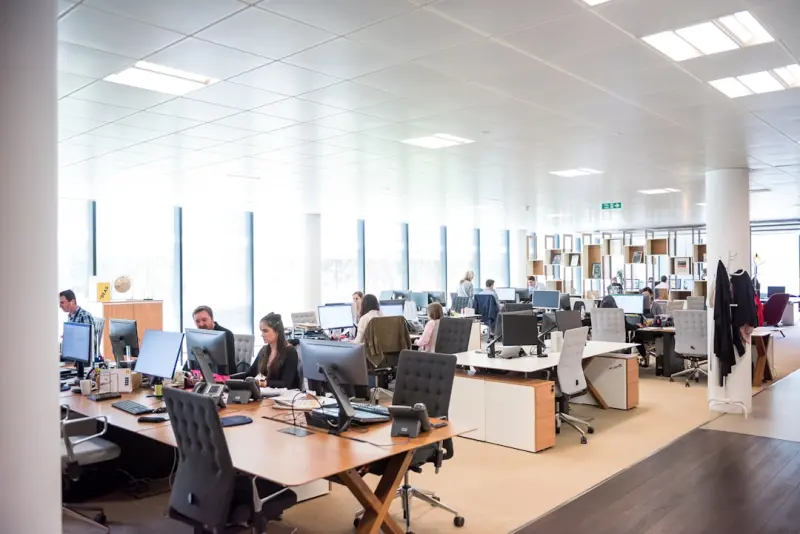
Why Your Desk, Light, and Air Might Be the Hidden Blood Pressure Triggers
When I first started tracking my own blood pressure, I thought the big culprits were obvious: salty meals, missed workouts, and occasional stress spikes. What surprised me—and what many professionals overlook—is how the very environment we spend most of our waking hours in can subtly, yet persistently, nudge those numbers upward. Your office chair, the hue of the lighting, the hum of the HVAC system, even the scent of the coffee you sip can act as silent pressure‑modulating agents. Understanding these hidden levers equips you to redesign your day without relying solely on medication or dramatic lifestyle overhauls.
The Atmospheric Influence: Air Quality and Blood Pressure
Indoor air quality isn’t just a concern for respiratory health; it’s a potent regulator of vascular tone. Research shows that elevated levels of particulate matter (PM2.5) and volatile organic compounds (VOCs) trigger systemic inflammation, which in turn can raise systolic and diastolic readings. For most office workers, the source of these pollutants is a combination of outdoor traffic infiltration, off‑gassing from carpets and furniture, and the constant circulation of stale air.
- Ventilation matters. Aim for a fresh‑air exchange rate of at least 6–8 air changes per hour. Simple actions—like opening a window for 10 minutes twice a day—can dramatically lower indoor CO₂ levels and reduce cardiovascular strain.
- Plants as bio‑filters. Certain houseplants, such as spider plants, snake plants, and peace lilies, absorb formaldehyde and benzene. Positioning a few on your desk is more than aesthetic; it creates a micro‑environment that eases the heart’s workload.
- Humidifiers in dry climates. When indoor humidity drops below 30 %, blood vessels constrict to preserve moisture, nudging blood pressure upward. A modest humidifier set to 40–50 % can keep those vessels relaxed.
Lighting: From Fluorescents to Circadian Harmony
Most of us still work under harsh fluorescent lighting or, more recently, bright LED panels. While these sources are energy‑efficient, they emit a spectrum that can disrupt the body’s natural circadian rhythm. A misaligned circadian clock releases cortisol at odd hours, prompting the adrenal glands to produce spikes that translate directly into higher blood pressure.
Switching to full‑spectrum, adjustable lighting that mimics natural daylight during the morning and warm amber tones in the late afternoon can restore hormonal balance. Even a simple desk lamp with a tunable white bulb—set to 5000 K in the AM and 2700 K after 4 p.m.—creates a visual cue for your brain to wind down, reducing late‑day stress surges.
Ergonomics Beyond Comfort: Vascular Implications of Posture
When we talk ergonomics, we often focus on back pain, neck strain, or carpal tunnel. Few realize that a slouched posture compresses the abdominal cavity, which can increase intra‑abdominal pressure and, consequently, elevate blood pressure. Here’s how you can counteract that hidden threat:
- Seat height and angle. Your knees should be at a 90‑degree angle, feet flat on the floor, and hips slightly higher than knees. This alignment reduces pressure on the lower back and improves venous return.
- Monitor placement. The top third of your screen should be at eye level. Tilting your head up or down for prolonged periods spikes sympathetic activity, nudging heart rate and pressure upward.
- Active sitting. Consider a balance ball chair or a sit‑stand desk. Alternating between sitting and standing every 30‑45 minutes encourages blood flow, preventing the stagnation that can raise vascular resistance.
Soundscapes: The Acoustic Stressor You Didn’t Know You Had
Open‑plan offices are praised for collaboration, yet the constant chatter, phone rings, and HVAC whine create a low‑grade, chronic stressor. Even if you don’t consciously notice the noise, your autonomic nervous system registers it as a threat, releasing adrenaline that constricts blood vessels.
Mitigation strategies include:
- Noise‑cancelling headphones with ambient sound modes (e.g., gentle rain or forest sounds) to mask disruptive frequencies.
- Acoustic panels or portable “sound bubbles” placed near workstations to absorb reverberations.
- Scheduled “quiet hours” where non‑essential communications are paused, allowing the brain to reset.
Micro‑Movement Breaks: Turning Tiny Motions into Pressure‑Lowering Powerhouses
Even with a perfect chair and perfect lighting, sitting for hours still limits arterial elasticity. The solution isn’t a marathon workout; it’s a series of intentional micro‑movements that keep blood circulating.
Try the 5‑5‑5 protocol—every 5 minutes, stand, stretch for 5 seconds, and take a 5‑second deep breath focusing on diaphragmatic expansion. Over an 8‑hour day, this adds up to 96 brief “reset” moments, each fostering endothelial function and dampening pressure spikes.
Pairing these micro‑breaks with a brief tiny blood sugar adjustment—like a handful of berries or a splash of apple cider vinegar—creates a synergistic effect, stabilizing both glucose and vascular tone.
Nutrition in the Workspace: The Hidden Sodium Trap
Office snacks are notorious for their sodium content: pretzels, packaged cheese, and flavored nuts can collectively add up to more than 1,500 mg of sodium in a single day. Even if you’re mindful of your lunch, these peripheral sources can push you over the recommended 2,300 mg limit, causing fluid retention and higher pressure.
Smart swaps:
- Opt for unsalted nuts and seeds, which still provide healthy fats without the sodium overload.
- Choose fresh fruit or veggie sticks paired with hummus—rich in potassium, the natural counterbalance to sodium.
- Keep a small bottle of nutrition for longevity on your desk, like a homemade electrolyte drink (water, pinch of sea salt, lemon, and a dash of magnesium powder).
The Digital Pulse: Wearables as Real‑Time Blood Pressure Coaches
Modern wearables have evolved from step counters to sophisticated health hubs. Many now integrate cuff‑less blood pressure estimation, using pulse transit time (PTT) algorithms that translate the time between heartbeats and peripheral pulse detection into a pressure reading.
Using these devices as a feedback loop—instead of a passive tracker—lets you experiment in real time. For instance, notice a slight uptick after a stressful call? Take a 2‑minute mindfulness pause, adjust your posture, and watch the reading settle. Over weeks, this bio‑feedback creates a conditioned response: your body learns to self‑regulate before the pressure reaches a harmful threshold.
Mind‑Body Synergy: Brief Guided Visualizations for Vascular Calm
Long‑form meditation is powerful, but for busy professionals a 60‑second visualization can be equally effective. The technique:
- Close your eyes and inhale for a count of four, visualizing cool, blue light entering the crown of your head.
- Hold for two seconds, then exhale for six, imagining the blue light flowing down the spine, washing over arteries, loosening any tension.
- Repeat three times, then open your eyes and notice a subtle dip in your blood pressure reading (if you’re wearing a monitor).
This micro‑mindfulness exercise taps the parasympathetic nervous system, which counteracts the “fight‑or‑flight” response that raises vascular resistance.
Putting It All Together: A Day‑In‑The‑Life Blueprint
Below is a practical timeline that weaves the concepts discussed into a cohesive, pressure‑friendly workday.
- 7:30 am – Arrival. Open a window for 5 minutes. Set desk lamp to 5000 K.
- 8:00 am – First meeting. Wear noise‑cancelling headphones with ambient forest sounds.
- 9:00 am – Micro‑movement. Stand, stretch, and do a 5‑second diaphragmatic breath (5‑5‑5 protocol).
- 10:00 am – Snack. Unsalted almonds + an apple. Sip a homemade electrolyte drink.
- 11:00 am – Light check. Dim lamp to 3500 K, add a plant on the left side of the monitor.
- 12:30 pm – Lunch. High‑potassium salad (spinach, avocado, beans). Walk 10 minutes outside for fresh air.
- 2:00 pm – Digital pause. 60‑second guided visualization, then check wearable BP reading.
- 3:30 pm – Hydration. Water with a pinch of sea salt and lemon.
- 5:00 pm – Wrap‑up. Lower lamp to 2700 K, open window again, review pressure trends on wearable.
Following a structured rhythm doesn’t require a complete office overhaul; it merely introduces intentional micro‑adjustments that, cumulatively, lower the baseline pressure over weeks and months.
Looking Ahead: The Future of Ambient Blood Pressure Management
Emerging technologies promise to embed pressure‑monitoring sensors directly into office furniture—think smart chairs that sense seat pressure distribution and adjust lumbar support in real time. Coupled with AI‑driven environmental controls (automatic humidity, lighting, and air purification based on your biometric feedback), the next decade could see workplaces that proactively keep our circulatory system in optimal balance.
Until those smart ecosystems become mainstream, the power lies in the small, consistent choices you make today. By curating your air, light, sound, posture, and nutrition, you transform your workstation from a silent stressor into an ally for cardiovascular health.

Related Posts

Managing Blood Pressure through a Holistic Approach
Learn how to manage blood pressure through a comprehensive and sustainable lifestyle change, incorpo... Read More

The Sound of Calm: How Music and Rhythm Can Lower Your Blood Pressure
A fresh look at using sound, breath, and simple daily habits to tame blood pressure, backed by scien... Read More

The Sound of Calm: How Ambient Audio Can Lower Blood Pressure
Learn how the right ambient sounds, from low‑frequency tones to binaural beats, can quietly lower ... Read More
Top Posts

Beyond the Clouds: How Vaping Culture, Tech, and Sustainability Are Redefining the Experience
A deep dive into the evolving world of vaping, examining cultural shifts, regulatory impacts, tech advances, and environmental responsibility....Read More
Navigating Health Insurance: A Holistic Guide to Smart Coverage
A personal, holistic approach to health insurance reveals hidden fees, leverages wellness perks, and turns coverage into a confidence‑boosting ally for vibran...Read More

Sleep Terrors: The Leadership Signal You’re Ignoring
Sleep terrors aren’t just frightening episodes; they’re a physiological alarm for leaders. This post uncovers the neuro‑biological cues behind terrors, sh...Read More
Gut Health Unlocked: My Holistic Path to a Happy Microbiome
A personal guide to nurturing your gut through diet, mindful habits, and whole-body detox, revealing how a balanced microbiome fuels overall vitality....Read More
0 Comments
Post Comment
You will need to Login or Register to comment on this post!