
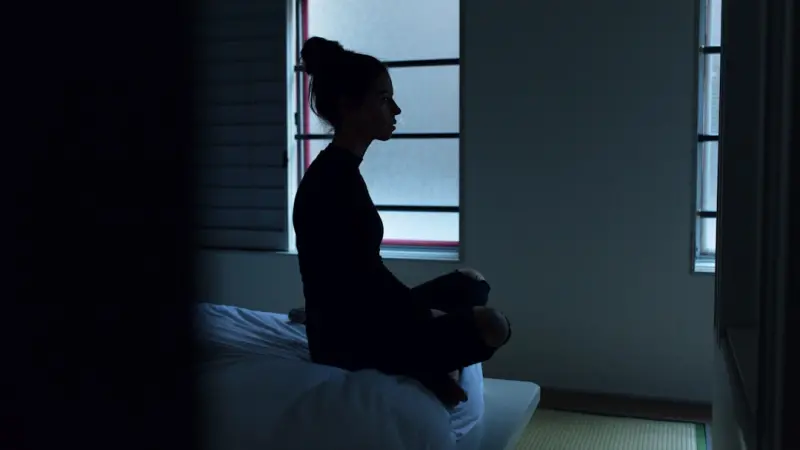
Insomnia feels like an uninvited roommate who shows up at 2 a.m., rearranges your thoughts, and refuses to leave until sunrise. I’ve lived with that roommate for more than a decade, and over the years I’ve stopped treating sleepless nights as a problem to be fixed and started treating them as a raw, unfiltered data stream about my mind, body, and environment. In this piece, I’m pulling back the curtain on the hidden narratives that insomnia tells us, and I’m sharing three practical lenses—biological, behavioral, and environmental—that can transform restless nights from a source of dread into a laboratory for personal insight.
1. The Biological Whisper: What Your Brain Is Really Doing at 3 a.m.
Most of us think of insomnia as a simple “can’t fall asleep” issue, but the brain’s nocturnal choreography is far more nuanced. Two key players dominate the night: the circadian clock and the sleep‑homeostatic drive. When the clock is misaligned—think late‑night screen time or erratic work shifts—the body’s internal timing system sends mixed signals: “It’s dark, but it’s not time to rest.” Simultaneously, the homeostatic pressure that builds up from waking hours may be insufficient if you’ve been too sedentary or have taken excessive caffeine.
What’s fascinating is that these systems are not static; they respond to the micro‑stressors you encounter throughout the day. A stressful meeting, an unresolved argument, or even a lingering physical discomfort can keep the brain’s alarm system on high alert. The result? A feedback loop where the brain’s “alertness” pathways hijack the pathways that normally usher you into the gentle tide of sleep.
One way to break this loop is to give your brain a clear, repeatable cue that nighttime is for winding down. I call this the “pre‑sleep reset.” It’s not a single activity but a sequence that signals the nervous system to shift gears:
- Dim the lights 60‑90 minutes before bed. Blue‑light filters are great, but the real magic is in reducing overall luminance to mimic twilight.
- Gentle movement—a short stretch routine or a slow walk—helps lower cortisol. (If you’re curious about how tiny movements can recalibrate your nervous system, check out Micro‑Movement Mastery.)
- Breath work that engages the parasympathetic nervous system—think 4‑7‑8 breathing or box breathing.
- Journaling for two minutes: capture the lingering thoughts that keep you wired.
When these steps are performed consistently, the brain begins to associate the sequence with the onset of sleep, gradually dampening the alert pathways and allowing the homeostatic drive to take the lead.
2. Behavioral Re‑Framing: Turning Restlessness into Insight
Insomnia is often framed as a failure—a deficit that needs fixing. I propose a different narrative: treat sleeplessness as a signal rather than a symptom. The mind rarely goes quiet without a reason. If you’re awake at 2 a.m., ask yourself, “What is my mind trying to tell me?”
Here are three questions that have reshaped my nocturnal mindset:
- What emotion is lingering? Anxiety, excitement, grief—these emotions have a habit of resurfacing when external distractions fade. Naming the feeling reduces its power.
- What unresolved task am I avoiding? Often, a simple to‑do list item (returning a call, paying a bill) can keep the brain in a state of hyper‑vigilance. Write it down, schedule it, and give your mind permission to let it go—for now.
- What physical cue am I ignoring? Tight shoulders, a racing heart, a full bladder—these are bodily alerts that can keep you from drifting off. A quick body scan can identify and release tension.
In practice, this means keeping a night‑time notebook by your bedside. When you find yourself staring at the ceiling, jot down a line or two answering the above questions. You’ll notice patterns emerge: maybe a particular type of meeting triggers anxiety, or a certain food keeps you wired. Over weeks, the notebook becomes a map of your internal landscape, guiding you toward targeted adjustments.
For those who thrive on structure, pairing this reflective practice with a digital health companion can be powerful. Wearable technology isn’t just for step counts; it can track heart‑rate variability (HRV), skin temperature, and even subtle movements that indicate micro‑arousals. By syncing these metrics with your journal entries, you can pinpoint which behavioral tweaks have the most impact. I’ve explored this synergy in depth in When Sensors Meet Symptoms, and the same principles apply to insomnia.
3. The Environmental Equation: Your Bedroom as a Sleep‑Optimized Habitat
If you’ve ever tried to fall asleep in a hotel room that smelled of stale carpet, you know how quickly the environment can sabotage rest. While many articles focus on the importance of a dark room, the broader environment encompasses temperature, air quality, scent, and even the acoustics of the space.
Temperature is a low‑tech hero. The body’s core temperature naturally dips by about 1 °F during the night, signaling the onset of sleep. A bedroom that’s too warm (above 70 °F) can blunt this dip, while a room that’s too cold can trigger a stress response. Aim for a sweet spot around 65 °F, and consider a programmable thermostat or a simple fan to maintain consistency.
Air quality is another hidden factor. Indoor pollutants—volatile organic compounds from paint, off‑gassing from furniture, or even a buildup of carbon dioxide—can irritate the respiratory system and elevate heart rate. A small air purifier with a HEPA filter can dramatically improve nighttime breathing comfort, especially for light sleepers.
Scent can cue relaxation. Aromas like lavender, chamomile, or sandalwood have been shown to engage the limbic system, promoting calm. A few drops on a diffuser or a scented pillow spray can embed this cue into your bedtime routine.
Finally, soundscapes matter. While some find absolute silence ideal, others benefit from low‑level white noise or nature sounds that mask sudden disturbances. The key is consistency—train your brain to associate a specific auditory backdrop with sleep.
When these environmental elements are fine‑tuned, they form a supportive cocoon that amplifies the biological and behavioral strategies discussed earlier. The result is a synergistic system where every layer nudges you closer to restorative rest.
Putting It All Together: A Night‑Time Blueprint
Below is a practical, step‑by‑step blueprint that blends the three lenses into a cohesive nightly ritual. Feel free to adapt the timing and components to suit your lifestyle.
- Evening Light Management (60‑90 min before bed)
- Dim ambient lights; switch to warm‑tone bulbs.
- Activate “night mode” on all screens.
- Physical Reset (15 min)
- Engage in gentle stretching or a short walk.
- Practice a breathing sequence (4‑7‑8).
- Reflective Journaling (5 min)
- Answer the three guiding questions.
- Note any physiological sensations (e.g., tension, temperature).
- Environmental Check (5 min)
- Set thermostat to ~65 °F.
- Turn on air purifier and diffuser.
- Start your chosen soundscape.
- Digital Sync (Optional, 5 min)
- Review wearable data for HRV trends.
- Log any notable spikes alongside journal entries.
- Lights Out
- Maintain a consistent bedtime, even on weekends.
- If you’re still awake after 20 min, get up, engage in a low‑stimulus activity (reading a physical book), and return when sleepy.
This blueprint is not a rigid prescription; it’s a flexible framework that respects individual differences. Some nights you’ll skip steps, others you’ll double down. The objective is to create a repeatable pattern that trains both body and mind to recognize when it’s time to slip into sleep.
When Insomnia Persists: Knowing When to Seek Help
Even with the best self‑crafted system, chronic insomnia can be a sign of deeper health issues—thyroid imbalances, sleep‑related breathing disorders, or mental health conditions. If you’ve tried the above strategies for at least a month and still find yourself lying awake more than three nights a week, consider consulting a sleep specialist. A comprehensive evaluation can rule out physiological contributors and, if needed, introduce cognitive‑behavioral therapy for insomnia (CBT‑I), which has a robust evidence base.
In the meantime, remember that insomnia is not a personal failure. It’s a communication channel from your body, urging you to adjust, reflect, and recalibrate. By listening attentively, you transform restless nights from a source of frustration into a catalyst for self‑knowledge.
Whether you’re a night‑owl entrepreneur, a shift‑worker, or simply someone who finds the darkness a little too loud, I hope this perspective offers you a fresh way to engage with the quiet hours. Embrace the data, experiment with the routine, and let the night become a partner in your wellness journey rather than an adversary.

William Roy is a freelance writer originally from Montreal who moved to Ottawa with his wife of 50 years to be closer to their grandkids. Alongside his writing, William has a passion for fishing.
Related Posts

The Quiet Saboteur: How Insomnia Undermines Team Collaboration and Innovation
Insomnia silently degrades leadership clarity and team collaboration. This article reveals the hidde... Read More

Evening Journaling: A Quiet Weapon Against Insomnia
A personal guide to using evening journaling, soothing environments, and sensory cues to break the i... Read More
Rewiring Nighttime: How Biofeedback and Light Design Crush Insomnia
A practical three‑pillar strategy—biofeedback, ambient light engineering, and micro‑rituals—... Read More
Top Posts

When Your Plate Keeps Time: Harnessing Chrononutrition for Daily Energy
Chrononutrition reveals that when you eat can be as vital as what you eat. Discover practical strategies to front‑load calories, time protein, and use seasona...Read More

The Invisible Ecosystem: Nurturing Your Baby’s Microbiome for Lifelong Health
A deep dive into the hidden world of an infant’s microbiome, offering actionable tips on feeding, environment, and lifestyle to foster a balanced gut ecosyste...Read More

Turning Muscle Gain Into a Personal Adventure Story
Discover a fresh approach to muscle building by treating each training session as a chapter in your own story, blending psychology and science for lasting resul...Read More

The Architecture of Flavor: Building Meals That Shape Your Day
Treat your plate like a blueprint: balance macros as foundations, layer micronutrients as flow, and add texture and aroma as finishing touches. Learn how nutrie...Read More
0 Comments
Post Comment
You will need to Login or Register to comment on this post!