

When I first stepped into a community garden at sixty‑four, the soil slipped through my fingers like a quiet promise. It wasn’t just a hobby; it was a reminder that aging isn’t a winding down—it’s a pivot toward richer, more intentional experiences. In this post I’m sharing the fresh pathways I’ve discovered for turning everyday moments into powerful allies for longevity, all while keeping the tone light, playful, and deeply human.
1. Curiosity as a Daily Muscle
We often hear about brain plasticity in the context of high‑tech experiments, but the real magic happens when we let curiosity drive simple, tangible actions. Picking up a ukulele, learning to braid a friend’s hair, or mastering a new recipe can feel like tiny workouts for the mind. The key is consistency over intensity—a five‑minute session each morning is more potent than a marathon once a month.
Why does this matter? Each novel activity lights up neural pathways that would otherwise dim with age. The result is not just sharper recall, but a mood lift that feels like a mini‑celebration. Think of curiosity as the “weight‑lifting” of the brain: you’re not trying to break records; you’re simply keeping the muscles flexed.
2. Nature Immersion: Your Free‑Flowing Prescription
There’s a growing body of evidence that time spent in green spaces lowers inflammation, stabilizes blood pressure, and even enhances immune function. Yet, many of us still view nature as a weekend luxury. I’ve turned this notion on its head by weaving nature into my daily routine:
- Morning “Grounding” Walks – A ten‑minute barefoot stroll on grass or sand grounds your nervous system and reduces cortisol.
- Micro‑Garden Corners – Even a windowsill herb garden provides tactile engagement, scent stimulation, and a sense of accomplishment.
- Seasonal Foraging Trips – Learning to identify wild greens or edible berries adds an educational twist to the stroll, turning it into a treasure hunt.
Each of these practices is low‑cost, low‑risk, and adaptable to urban or rural settings. The cumulative effect? A steadier heart rate, clearer mental focus, and a renewed sense of wonder that counters the monotony that can creep in later years.
3. Rhythm & Movement: Dance Your Way to Longevity
Movement doesn’t have to look like a gym session. In fact, the most sustainable forms of exercise are the ones that feel like play. Dancing—whether it’s a salsa night, a solo sway in the living room, or a slow‑tempo folk circle—offers three core benefits:
- Cardiovascular Health – Keeping the heart in a moderate‑intensity zone for 20 minutes a few times a week improves circulation and oxygen delivery.
- Neuro‑Motor Coordination – Syncing steps to music challenges the cerebellum, the part of the brain responsible for balance and fine‑motor control.
- Social Connection – Shared rhythm creates a sense of belonging that combats loneliness, a known risk factor for premature aging.
If you’re new to dancing, start with a simple playlist of songs you love and let your body move naturally. The goal isn’t perfection; it’s the joy of motion.
4. Community Story Circles: Narrative Resilience
We’ve all heard how storytelling can rewrite anxiety, but there’s a distinct power in gathering peers to co‑create narratives about aging. In a community story circle, participants share moments of triumph, loss, and everyday wonder. The structure is simple:
- Opening Prompt – “What’s one small thing that made you smile this week?”
- Active Listening – Each person repeats the previous speaker’s story in a single sentence before adding their own, reinforcing attention and empathy.
- Reflection – The group discusses common themes, extracting insights about resilience and purpose.
These circles do more than nurture emotional health; they also serve as informal data points for personal growth. Over time, you’ll notice patterns—perhaps a surge in gratitude after gardening or a dip in mood during rainy weeks—allowing you to fine‑tune your lifestyle.
5. Personal Data, Personal Power
While high‑tech gadgets can feel intimidating, a modest approach to data can be transformative. The Personal Longevity Dashboard I use aggregates simple metrics: step count, sleep duration, hydration, and mood rating. The magic lies in the feedback loop—you observe trends, experiment with small changes, and see the impact in real time.
Here’s a starter template you can replicate on paper or a spreadsheet:
- Morning Check‑In – Rate your energy (1‑10) and note any cravings.
- Midday Hydration – Log water intake; consider linking to Adaptive Hydration for personalized targets.
- Evening Reflection – Record sleep quality and any standout moments from the day.
After a month, you’ll likely see that on days you walked in nature or danced, your energy rating spikes, while sedentary evenings correlate with lower mood scores. This insight empowers you to prioritize the activities that truly nourish you.
6. Flavorful Nutrition: Savoring Health Over Counting Calories
Nutrition for healthy aging isn’t about restrictive diets; it’s about cultivating a palate that delights while delivering nutrients. A few strategies to keep meals both exciting and age‑friendly:
- Colorful Plates – Aim for at least three different colors per meal; each hue signals a unique set of antioxidants.
- Spice Exploration – Turmeric, ginger, and cinnamon have anti‑inflammatory properties and add depth without extra salt.
- Protein Pairings – Combine plant proteins (like lentils) with a modest portion of fish or poultry to ensure complete amino acid intake.
When you view food as an adventure rather than a chore, you naturally gravitate toward nutrient‑dense choices that support muscle maintenance, bone health, and cognitive function.
7. Sleep as a Sacred Ritual
While I’m not revisiting the “Nighttime Reset” article, I want to stress a subtle shift: treat bedtime as a ceremony, not a checkbox. Light a scented candle, sip a warm herbal infusion, and dim the lights 30 minutes before you plan to sleep. This signals to the brain that it’s time to transition, enhancing melatonin production and improving sleep depth.
Consistent, restorative sleep is perhaps the single most potent factor in healthy aging. It clears metabolic waste from the brain, stabilizes hormones, and fuels tissue repair. Think of it as nightly maintenance for your body’s engine.
8. Giving Back: The Longevity Boost of Purposeful Volunteering
Research consistently shows that individuals who engage in regular volunteer work enjoy lower mortality rates. The underlying mechanisms are twofold: social integration and a sense of purpose. Whether you mentor a youth program, assist at a local food bank, or share your gardening tips at a senior center, the act of contributing creates a feedback loop of positivity that reverberates throughout your physiological systems.
Start small: commit to a monthly hour of service. Notice how the anticipation of that hour lifts your mood during the weeks leading up to it. Over time, you’ll find that purpose becomes a habit, not an occasional activity.
9. The Mini‑Adventure Mindset
Instead of waiting for a grand vacation, sprinkle mini‑adventures throughout the year. A spontaneous train ride to a nearby town, a pop‑up art class, or a day‑long hike in an unfamiliar park all stimulate the brain’s reward pathways, increase dopamine, and keep the spirit of novelty alive. The goal is to break routine just enough to keep curiosity humming.
Pair these outings with a reflective journal entry: what did you see, hear, feel? Over months, you’ll compile a rich tapestry of experiences that reinforce a youthful, exploratory mindset.
10. Closing Thought: Aging as an Ongoing Creation
Healthy aging isn’t a destination; it’s a continuous act of creation. By weaving curiosity, nature, rhythm, community, data, flavor, rest, purpose, and adventure into the fabric of daily life, you construct a resilient, vibrant self that thrives well beyond the numbers on a calendar. The next time you feel the urge to “slow down,” ask instead: “What new layer can I add to my story today?”

Brandy Miller is a dynamic freelance writer based in the vibrant city of Cambridge, Ontario. With a passion for storytelling that knows no bounds, she crafts compelling narratives that captivate and inspire. Brandy’s love for writing shines through in her versatile work, whether she’s penning thought-provoking articles or engaging content that resonates with readers. Her unique perspective and friendly tone make her a sought-after voice in the writing community. When she’s not weaving words together, you can find her exploring the beautiful landscapes of Ontario, always seeking new adventures and inspiration for her next piece. Brandy is not just a writer; she’s a creative force, making her mark one word at a time.
Related Posts
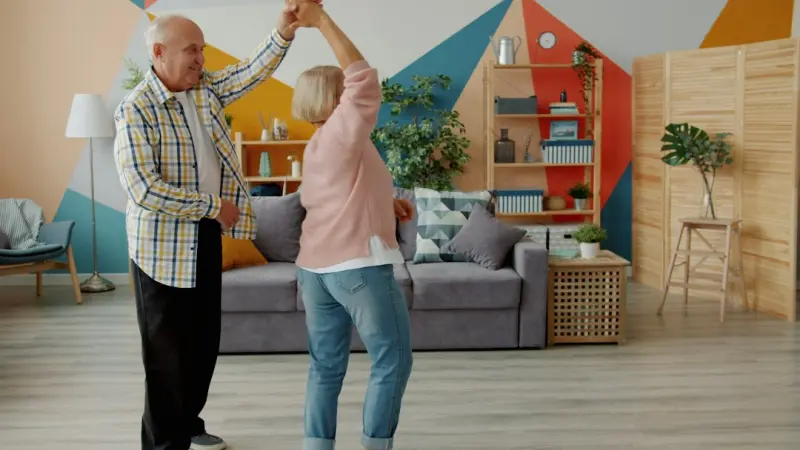
Playful Movement: Redefining Healthy Aging Through Joyful Motion
Embrace a playful approach to exercise, blending curiosity, breath, and everyday fun to enhance phys... Read More
Playful Aging: How Lighthearted Movement Rewrites the Aging Narrative
A fresh take on healthy aging, this article shows how integrating playful movement into daily life c... Read More

Nurturing Your Microbiome for Graceful Aging
Explore the hidden power of your gut microbiome in aging. Learn diet, lifestyle, and community pract... Read More
Top Posts

Understanding Prediabetes: A Holistic Approach to Prevention and Management
Prediabetes is a condition where blood sugar levels are higher than normal but not high enough to be classified as diabetes. Learn about its causes, risk factor...Read More

Designing Workspaces That Respect Narcolepsy: Light, Rhythm, and Inclusion
A deep dive into designing office environments—lighting, quiet pods, movement breaks, and tech alerts—that support employees with narcolepsy, turning challe...Read More

Micro‑Adventures: Tiny Novel Experiences for a Longer, Healthier Life
Micro‑adventures—short, intentional bursts of novelty—stimulate neuroplasticity, diversify the gut microbiome, and activate hormetic stress pathways, offe...Read More

The Quiet Powerhouse: Rethinking Liver Care in Everyday Life
Explore a fresh perspective on liver health that blends mindful nutrition, regular movement, stress management, and environmental awareness, offering simple dai...Read More
0 Comments
Post Comment
You will need to Login or Register to comment on this post!