
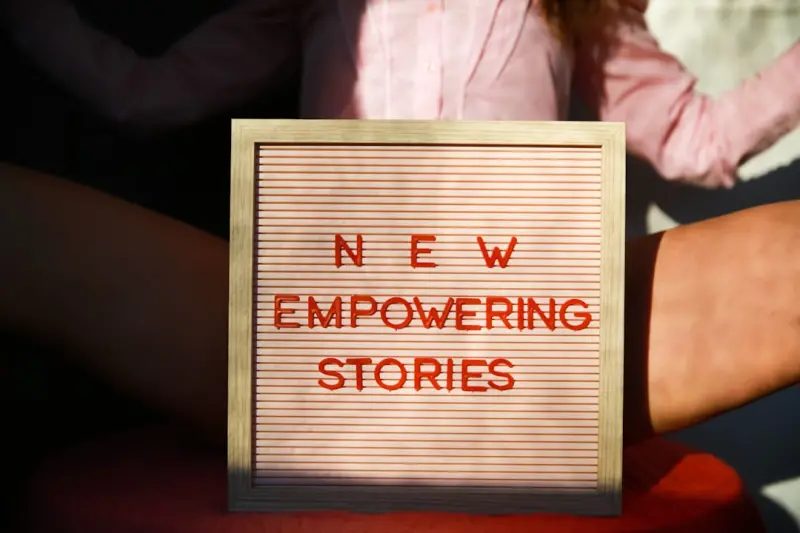
Rewriting the Cancer Narrative: How Storytelling Fuels Healing and Hope
When I first heard the word “cancer,” a cascade of images—clinical charts, sterile rooms, and endless treatment protocols—filled my mind. Over the years, I’ve learned that cancer is far more than a medical diagnosis; it’s a lived experience that rewrites identity, reshapes relationships, and demands a new kind of resilience. One of the most powerful tools I’ve discovered on this journey is storytelling. Not the glossy, media‑driven hero arc, but the raw, authentic narratives we share with ourselves and each other.
In this post I’ll explore why narratives matter, how they can be deliberately cultivated, and what practical steps you can take—whether you’re a patient, a caregiver, or a health professional—to embed storytelling into the cancer care continuum. My aim is simple: to shift the conversation from “fighting” cancer to “living” with cancer, and in doing so, create space for hope, agency, and deeper connection.
The Science Behind Stories
Neuroscience tells us that the brain processes stories the same way it processes real experiences. When you hear a tale of triumph, loss, or transformation, the same neural pathways fire as if you were living it yourself. This phenomenon, known as mirror neuron activation, can modulate stress hormones, bolster immune function, and even reshape pain perception.
- Stress reduction: Narrative expression lowers cortisol levels, a hormone that, when chronically elevated, can hamper the body’s ability to repair DNA.
- Immune signaling: Positive emotional states—often cultivated through shared storytelling—have been linked to increased activity of natural killer cells, which play a role in surveilling and eliminating abnormal cells.
- Meaning-making: Constructing a coherent story around a cancer diagnosis helps integrate the event into one’s life narrative, reducing existential distress.
These findings aren’t abstract; they translate into tangible outcomes for people navigating cancer treatment. A study published in JAMA Oncology demonstrated that patients who participated in structured narrative workshops reported higher quality‑of‑life scores and fewer hospital readmissions.
Beyond the “Battle” Metaphor
The battle metaphor—“fighting cancer,” “winning the war”—has dominated public discourse for decades. While it can be motivating for some, it also creates a binary worldview: victory or defeat. This framing can unintentionally blame patients for “losing” or amplify feelings of failure when outcomes aren’t favorable.
Instead, I propose a journey metaphor. Think of cancer as an unexpected detour on a road trip you didn’t plan. You still have a destination, but the route now includes scenic overlooks, rest stops, and occasional roadblocks. You can choose how to navigate each segment, who you invite in the car, and what playlists you play along the way.
Adopting this perspective opens the door to a richer emotional palette and encourages proactive self‑care rather than combative aggression. It also aligns naturally with storytelling: every detour becomes a chapter, each rest stop a moment of reflection, and every unexpected vista an opportunity for gratitude.
Three Narrative Pillars for Cancer Resilience
1. Personal Chronology: Mapping Your Own Timeline
Start by charting the milestones of your cancer experience—diagnosis, treatment phases, side effects, and moments of clarity. This isn’t a clinical record; it’s a personal diary that captures feelings, sensory details, and evolving goals. Writing or voice‑recording this timeline helps you see patterns, celebrate small wins, and notice when you’ve shifted from fear to acceptance.
2. Community Echoes: Sharing and Listening
No story exists in a vacuum. When you share your narrative with others—whether in a support group, an online forum, or a one‑on‑one conversation—you create a feedback loop that validates emotions and surfaces new coping strategies. Listening to others, in turn, expands your toolkit. I’ve found that hearing a fellow survivor speak about the calming effects of a simple lymphatic massage routine sparked my own experiment with gentle drainage techniques, which reduced swelling after surgery.
3. Creative Translation: Turning Words into Art
Storytelling doesn’t have to stay on paper. Paintings, music, dance, or even cooking can become vehicles for expressing what words can’t capture. A friend of mine, who was undergoing radiation for breast cancer, began composing short piano pieces that mirrored the rhythm of her treatment schedule—fast, staccato bursts for chemo days and slow, sustained chords for recovery periods. The creative act became a form of emotional regulation, allowing her to process anxiety without the need for additional medication.
Practical Steps to Embed Storytelling Into Daily Life
Below is a toolbox you can pick from, regardless of where you sit on the cancer continuum.
- Set a “Story Hour” each week. Dedicate 30‑45 minutes to write, record, or sketch. Treat it like any other medical appointment.
- Curate a “Story Circle.” Invite three trusted people—could be a partner, a friend, or a therapist—to share updates. Rotate the facilitator role so everyone feels heard.
- Leverage technology wisely. Use voice‑to‑text apps for quick capture, or a private blog to archive entries. Ensure any platform you choose respects privacy and data security.
- Integrate sensory anchors. Pair your storytelling session with a calming scent (lavender) or a warm cup of herbal tea to signal the brain that it’s time for reflective processing.
- Link to evidence‑based practices. For instance, I discovered that regular liver‑support strategies—like low‑sugar diets and intermittent fasting—can improve overall metabolic health, which in turn supports the body’s ability to handle treatment stress. Document any changes you notice after integrating these practices.
Storytelling in Clinical Settings: A Call to Action for Providers
Healthcare professionals can harness the power of narrative to improve patient outcomes. Here are three ways to embed storytelling into practice:
- Prompt with Open‑Ended Questions. Instead of “How are you feeling today?” ask “What has been the most meaningful part of your week?” This invites patients to share beyond symptom checklists.
- Offer Narrative Workshops. Partner with local art therapists or writing coaches to host monthly sessions. Even a brief 20‑minute guided journaling exercise before a clinic visit can reduce anxiety.
- Document Stories in the EMR. Create a dedicated “Patient Narrative” field where clinicians can note key emotional milestones. This provides continuity of care and reminds the care team of the person behind the diagnosis.
When clinicians acknowledge and validate patient stories, they build trust—a cornerstone of adherence to treatment plans and follow‑up care.
Measuring the Impact: From Anecdote to Data
While the qualitative benefits of storytelling are evident, it’s also possible to capture quantitative shifts. Consider tracking the following metrics alongside your narrative practice:
| Metric | Tool | Frequency |
|---|---|---|
| Perceived stress level | Perceived Stress Scale (PSS) | Monthly |
| Sleep quality | Wearable sleep tracker | Weekly |
| Immune markers (e.g., NK cell activity) | Lab draw (optional) | Quarterly |
| Emotional resilience score | Brief Resilience Scale | Every 6 weeks |
When you see trends—like a gradual drop in PSS scores after consistent storytelling—you gain concrete evidence that your narrative work is doing more than just feel‑good; it’s biologically meaningful.
Addressing Common Barriers
Many people hesitate to start a storytelling habit, citing time constraints, fear of vulnerability, or simply not knowing where to begin. Below are quick antidotes:
- Time crunch: Use micro‑moments—record a 1‑minute voice note while waiting for an appointment.
- Fear of judgment: Choose a private medium (journal, encrypted digital file) before moving to a shared space.
- Uncertainty about content: Use prompts like “What surprised me today?” or “What gave me strength this week?”
Looking Ahead: The Future of Narrative Oncology
Emerging technologies are already blending storytelling with data analytics. Imagine an AI‑driven platform that transcribes your journal entries, identifies emotional patterns, and suggests personalized interventions—like a calming playlist, a guided breathwork session, or a referral to a nutritionist specializing in gut‑health protocols that support immune function.
While these tools hold promise, the core of narrative oncology will always be human connection. No algorithm can replace the warmth of a hand‑held story shared over a kitchen table.
Conclusion: Your Story Is Your Superpower
In the landscape of cancer care, evidence‑based medicine provides the map; storytelling provides the compass. By intentionally crafting, sharing, and revisiting your narrative, you empower yourself to navigate uncertainty with grace, to forge deeper bonds with loved ones, and to influence the very biology of healing.
So, the next time you sit down with a cup of tea, ask yourself: What story am I writing today? And remember—every chapter, even the challenging ones, contributes to a larger tapestry of resilience, hope, and ultimately, renewed purpose.

Becky Putman is an Ottawa-based freelance writer and marketing professional with a passion for storytelling, animals, and community involvement. She enjoys creating engaging content that informs, inspires, and connects with readers.
Related Posts

Redesigning the Workplace for Cancer Warriors
A practical guide for leaders to build cancer‑friendly offices, from flexible scheduling and quiet... Read More
Turning Cancer Into a Canvas: Creative Paths to Healing
Discover how integrating creative practices—writing, visual arts, music, and movement—can transf... Read More

When Stories Heal: The Unexpected Role of Narrative in Cancer Recovery
Discover the transformative power of narrative medicine in cancer care—learn practical storytellin... Read More
Top Posts
When Sleep Apnea Sneaks Into the Boardroom: A Wake‑Up Call
Untreated sleep apnea silently undermines executive performance, leading to reduced focus, poor decisions, and higher health costs. This article reveals the bus...Read More
Cultivating Vitality: How Community Gardens Empower Senior Well‑Being
Community gardening offers seniors a powerful blend of exercise, cognitive stimulation, emotional resilience, and social connection. Learn the benefits, how to ...Read More
Unlocking Cognitive Reserve: The Midlife Skill‑Learning Blueprint
Learning a new language, instrument, or hobby in midlife isn’t just fun—it creates a powerful cognitive reserve that protects against age‑related decline....Read More

When Insomnia Becomes a Quiet Mentor for Nighttime Innovation
Discover how insomnia can be transformed from a frustrating symptom into a mentor that fuels nighttime creativity, productivity, and holistic well‑being....Read More
0 Comments
Post Comment
You will need to Login or Register to comment on this post!