

Why a “Digital Habit Stack” Might Be Your Secret Weapon Against Prediabetes
When I first learned I was on the borderline for diabetes, the reaction was instinctively panic. The typical prescription—eat less, move more, and hope for the best—felt both vague and overwhelming. I’d tried a handful of “quick fix” diets, logged endless steps, and even bought a fancy blood‑pressure cuff that promised to whisper health insights into my ear. Nothing stuck. That’s when I started thinking about the problem differently: not as a single mountain to climb, but as a series of tiny, interconnected habits that could be orchestrated by the technology already in my pocket.
Welcome to the world of a digital habit stack. It’s the practice of aligning micro‑behaviors—like a 5‑minute stretch before breakfast, a 10‑second breathing exercise after a meeting, or a quick glance at a glucose trend line after lunch—into a seamless, data‑driven routine. When each habit feeds the next, you create a self‑reinforcing loop that makes staying in the pre‑diabetes “safe zone” feel effortless.
From “Willpower” to “Workflow”: Re‑framing the Narrative
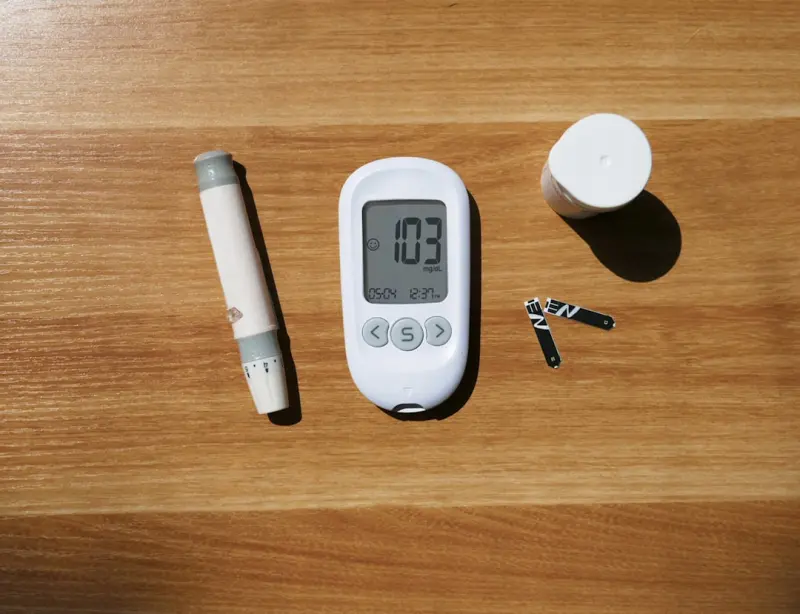
Most health advice leans heavily on willpower, which is a fickle resource. The science of habit formation tells us that context cues and immediate feedback matter far more. Imagine you’re at your desk, eyes glued to a spreadsheet. A subtle cue—like a notification from a continuous glucose monitor (CGM) that shows a gentle rise—can prompt a micro‑action: a glass of water, a short walk to the kitchen, or a 30‑second mindful breathing session. That instant feedback tells your brain, “Hey, I just averted a spike,” reinforcing the habit.
In practice, this means we shift from “I need to resist that cookie” to “If my CGM signals a spike, I’ll automatically do X.” The cue (the data point) triggers the response (the micro‑habit). Over weeks, the brain begins to associate the data pattern with the action, automating the behavior.
Choosing the Right Digital Tools—Beyond the Glucose Reader
While CGMs are the centerpiece of this approach, they’re not the only tool you need. A robust stack might include:
- Smartphone reminders that surface at predictable moments (e.g., “mid‑afternoon slump?”)
- Wearable activity trackers that reward you for “micro‑movement”—think 30‑second standing intervals every hour.
- AI‑driven nutrition apps that parse your meals in seconds, flagging hidden carbs and suggesting swaps on the fly.
- Voice assistants that can log a quick “water intake” or start a guided breathing exercise without you lifting a finger.
Integrating these tools into a single workflow is easier than you think. Most modern platforms support breath and tech tools for blood pressure—the same APIs can be repurposed to trigger a breathing pause when glucose spikes, creating a cross‑functional health loop.
Designing Your First Digital Habit Stack
Here’s a step‑by‑step template you can adapt in under ten minutes:
- Identify the critical data point. For prediabetes, that’s typically a post‑prandial glucose reading between 140‑199 mg/dL.
- Pick a micro‑action that counters the spike. Options include a 5‑minute walk, a high‑fiber snack, or a short breathing routine.
- Set up an automatic cue. Use the CGM’s alert system or a smartwatch vibration to signal when the glucose level hits your threshold.
- Link the cue to a digital trigger. For example, a notification can open a pre‑loaded “5‑minute walk” playlist on your phone.
- Reward yourself. The simplest reward is visual: the glucose trend line drops. You can also log a “point” in a habit‑tracking app, earning you a small treat at the end of the week.
By the end of the first week, you’ll have a closed loop: data → cue → action → feedback → habit. The loop tightens with each repetition, reducing the mental load required to keep your glucose in check.
Scaling the Stack: Adding Social Leverage
Human beings are wired for connection, and the friend‑powered fitness community model shows us how social accountability can amplify individual habits. Here’s how to weave community into your stack:
- Shared dashboards. Invite a trusted friend or family member to view your daily glucose trends. A quick “👍” from them after you log a successful micro‑action can boost dopamine.
- Group challenges. Set a collective goal—say, “30 days of under‑150 mg/dL post‑meal spikes.” Use a shared chat to post daily wins.
- Co‑habits. Schedule a virtual “walk break” with a colleague when both of you hit a glucose cue. The shared experience turns a solo corrective action into a bonding moment.
When friends become part of the feedback loop, the habit feels less like a chore and more like a team sport. The social reward system—likes, comments, high‑fives—acts as a secondary dopamine boost that reinforces the primary health habit.
The Science Behind Micro‑Movement and Glucose Regulation
While we’ve touched on the psychological side, let’s dig into the physiology. Light activity—even standing for a minute—activates the muscle pump that helps shuttle glucose from the bloodstream into cells. Studies show that a 10‑minute walk after a meal can lower post‑prandial glucose by up to 20 %. The key is consistency, not intensity. By embedding these micro‑movements into a digital cue, you guarantee that they happen every time glucose trends upward.
Moreover, breathing exercises stimulate the parasympathetic nervous system, which can improve insulin sensitivity. A 5‑minute diaphragmatic breathing session after lunch has been shown to reduce cortisol—a hormone that, when chronically elevated, contributes to insulin resistance.
Common Pitfalls and How to Dodge Them
Even the best‑designed stack can falter if you ignore these early warning signs:
- Alert fatigue. Too many notifications can lead to desensitization. Keep alerts to one or two actionable cues per day.
- Over‑complexity. If your stack includes more than three micro‑actions, you’ll likely drop the habit. Simplicity is the secret sauce.
- Data overwhelm. Glucose trends are valuable, but obsessing over every fluctuation can cause anxiety. Focus on the broader pattern, not single outliers.
Iterate on your stack every two weeks. Remove actions that feel forced, and replace them with alternatives that feel more natural.
Future‑Proofing: AI‑Powered Predictive Nudges
We’re on the cusp of a new wave where AI predicts glucose spikes before they happen, based on meal composition, stress levels, and even sleep quality. Imagine a system that says, “Based on your breakfast, you’re likely to spike in 45 minutes—take a 5‑minute walk now.” Such predictive nudges could shift the paradigm from reactive to proactive management.
While fully autonomous AI health coaches are still emerging, you can start laying the groundwork:
- Log meals consistently in a nutrition app that tracks macronutrients.
- Correlate those logs with your CGM data to identify patterns.
- Use a simple rule‑based script (or a no‑code automation tool) to generate a pre‑emptive reminder.
This “manual AI” approach gives you many of the benefits of predictive nudging without waiting for a polished product.
Wrapping Up: From Overwhelm to Orchestration
The prediabetes label can feel like a looming deadline. But by treating your health as a series of micro‑habits linked through real‑time data, you transform that deadline into a daily symphony. Each note—breathing, moving, sipping water—plays in harmony with the next, and the audience (your body) responds with more stable glucose levels, better insulin sensitivity, and, ultimately, a lower risk of progressing to type 2 diabetes.
If you’re ready to start, pick one data cue today, pair it with a micro‑action, and set up that digital trigger. Share the stack with a friend, celebrate the first win, and watch the loop tighten. In the world of prediabetes, the smallest habit, when consistently stacked, can become the most powerful tool.

Tom Ferguson is a Canadian freelance writer with a passion for storytelling, current events, and thoughtful commentary. Drawing on years of writing experience, he shares engaging insights on a wide range of topics, bringing a uniquely Canadian perspective to his work.
Related Posts
Living with Prediabetes: A Personal Journey from Stigma to Strength
A candid look at the emotional rollercoaster of prediabetes, offering practical tips to reshape soci... Read More

Beyond Sugar Counts: A Holistic Journey to Beat Prediabetes
A personal, holistic roadmap shows how stress, community, digital habits, and gut diversity can turn... Read More

Beyond the Scale: Unconventional Paths to Reversing Prediabetes
A fresh take on prediabetes that blends flavor chemistry, playful movement, supportive environments,... Read More
Top Posts

Seasonal Body Detox: Reset with Nature’s Rhythm
A fresh take on detox that aligns with the seasons, using nature’s cues, whole foods, and simple rituals to support lasting body renewal....Read More

The Holistic Exercise Blueprint: Paula Wright’s 2024 Playbook for Sustainable Fitness
Paula Wright shares her 2024 holistic exercise blueprint, weaving functional strength, mobility, cardio, and community support into a sustainable fitness routin...Read More

Cancer at Work: Turning Diagnosis into a Catalyst for Compassionate Innovation
A forward‑looking guide on integrating cancer support into the modern workplace, featuring data‑driven policies, tele‑oncology, flexible performance metri...Read More

Muscle Gain for the Modern High‑Achiever: Micro‑Progress, Neuro‑Space, and Sustainable Strength
A practical guide for high‑achieving professionals to build muscle through tiny, consistent upgrades, strategic space design, and recovery‑focused habits th...Read More
0 Comments
Post Comment
You will need to Login or Register to comment on this post!