
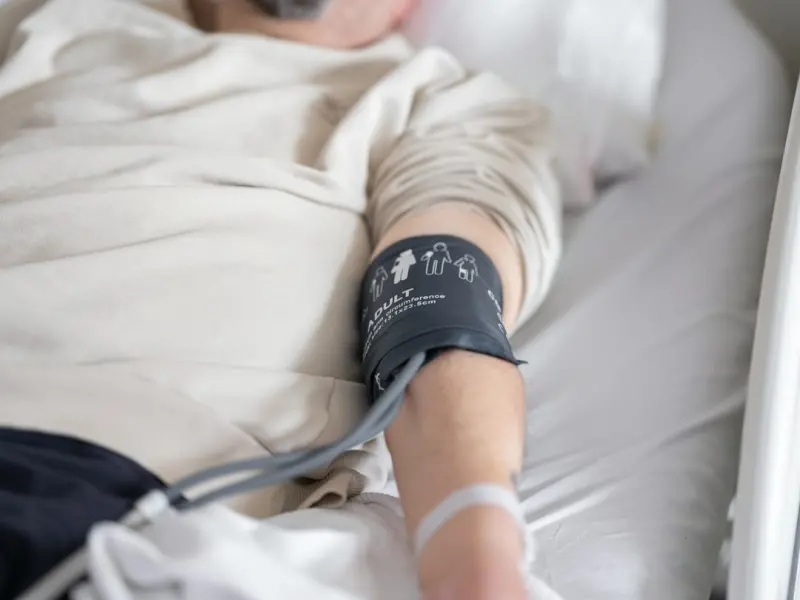
When I first noticed my blood pressure hovering in the “borderline” zone, I felt a familiar mix of curiosity and dread. Not the kind of curiosity that leads you to a new hobby, but a quiet, investigative spark that asks, “What am I really doing day‑to‑day that nudges these numbers up or down?” Over the past few years, I’ve turned that spark into a systematic, personal blueprint—one that feels less like a strict regimen and more like an evolving partnership with my own body.
Why I Switched From “Fix‑It” to “Fine‑Tune”
Traditional advice around blood pressure often feels binary: medication or nothing, salt reduction or nothing, intense cardio or nothing. I found myself stuck in a loop of “do I have to choose one extreme?” The answer, I discovered, is no. My body responded better to a series of small, intentional adjustments that collectively created a smoother, more resilient vascular rhythm.
Think of it less as a battle and more as a collaboration. My arteries, heart, kidneys, and nervous system each send subtle signals. When I learn to listen—through simple habits and data‑backed observations—I can guide those signals toward steadier pressures without the roller‑coaster of drastic lifestyle overhauls.
Mapping My Daily Rhythm: The First Step
Every successful blueprint begins with awareness. I spent a week simply logging three things:
- Wake‑up and bedtime (including any mid‑night awakenings)
- Meals and snacks, noting time, composition, and portion size
- Moments of stress or calm, however brief
Instead of a clinical log, I used a friendly note‑taking app that let me add emojis for mood and a quick “BP” tag when I measured my pressure. By the end of the week, patterns emerged: a spike after late‑night screen time, a dip following a short walk, and a gentle rise on days when I skipped breakfast.
This baseline gave me a map—the starting point for targeted fine‑tuning.
Strategic Breathwork: The Underestimated Ally
One of the most accessible tools in my toolkit is purposeful breathwork. While many associate deep breathing with meditation, the nuance lies in the rhythm. I practice a simple 4‑4‑6 pattern: inhale for four counts, hold for four, exhale for six. This lengthens the exhalation, stimulating the parasympathetic nervous system, which naturally lowers heart rate and, subsequently, blood pressure.
I embed this practice during two key moments:
- Morning transition: right after brushing teeth, I sit on the edge of the bed and complete three cycles.
- Mid‑day reset: after lunch, I step away from the screen, find a window, and repeat the pattern for two minutes.
Consistent use over a month helped me notice a calmer baseline, especially during high‑stress meetings.
Hydration with Intent
Water is often touted for its general health benefits, but its relationship to blood pressure is more nuanced. Dehydration can cause the blood vessels to constrict, nudging the pressure upward. Conversely, excessive water intake can strain the kidneys if not balanced.
My approach is intentional hydration—drinking enough to keep the urine a pale straw color and spreading intake evenly throughout the day. I use a reusable bottle marked with time slots (e.g., “8 am, 11 am, 2 pm, 5 pm”). This visual cue prevents the habit of gulping large amounts only when I’m thirsty, which often happens after a coffee break.
Movement That Marries Pleasure With Purpose
Rather than forcing a rigorous cardio schedule, I weave movement into moments that already feel enjoyable:
- Walking meetings: when possible, I suggest a brief stroll for discussions.
- Garden chores: digging, planting, and weeding provide low‑impact aerobic activity.
- Micro‑stretch series: a five‑minute series of neck rolls, shoulder shrugs, and gentle torso twists every two hours.
This philosophy keeps my heart rate elevated just enough to promote vascular elasticity without the burnout that often accompanies intense workouts.
Nutrition: A Layered, Adaptive Approach
While I don’t subscribe to a single “diet,” I’ve found that layering certain food groups creates a stabilizing effect on blood pressure. A cornerstone is potassium‑rich produce—bananas, sweet potatoes, spinach—that counterbalances sodium’s impact. Pairing these with healthy fats (olive oil, avocado, nuts) supports endothelial function.
For a deeper dive into how thoughtful food layering can sharpen focus and even boost creativity, check out the science of nutrient layering. The principles there translate nicely to blood pressure management when you consider the vascular benefits of balanced electrolytes and anti‑inflammatory fats.
Mindful Stress Management: Beyond “Relaxation”
Stress isn’t a binary switch; it’s a series of micro‑stressors that accumulate. My strategy involves three pillars:
- Micro‑pauses: a 30‑second pause before replying to an email or after a demanding phone call, focusing on a single breath.
- Environmental cues: placing a small plant or a calming photograph on my desk serves as a visual reminder to exhale.
- Digital boundaries: setting “off‑hours” on work messaging apps to protect evening downtime.
These tiny interventions collectively reduce the sympathetic surge that often spikes blood pressure during a hectic day.
Data‑Driven Adjustments Without Obsession
I’m not a data fanatic, but occasional measurements keep me honest. I use a validated home cuff that syncs to an app, giving me trend graphs rather than isolated numbers. The key is to look for patterns over weeks, not daily fluctuations.
If you’re interested in building a more comprehensive view of your health data, consider the framework outlined in building your personal health dashboard. Even a simplified version—tracking blood pressure alongside sleep quality and activity—can reveal hidden connections.
Sleep Hygiene: A Subtle yet Powerful Lever
Quality sleep is a silent regulator of vascular health. I prioritize:
- Consistent bedtime and wake time (within a 30‑minute window).
- A “screen curfew” one hour before bed, swapping devices for a paperback.
- A cool bedroom environment (around 65 °F) to support natural melatonin production.
Improved sleep depth has a downstream effect, reducing nocturnal spikes in blood pressure.
Community and Accountability
Sharing my journey with a small circle of friends—who each have their own health goals—creates a supportive ecosystem. We exchange weekly check‑ins, celebrate small wins, and suggest tweaks based on personal experiences. This collective momentum keeps the effort sustainable and far less solitary.
Putting It All Together: My 30‑Day Blueprint
Here’s a concise, actionable version of the habits I’ve integrated. Feel free to adapt the timing or elements to suit your lifestyle.
- Morning: 4‑4‑6 breathwork (3 cycles), hydrate 250 ml, light protein‑rich breakfast (e.g., Greek yogurt with berries).
- Mid‑morning: 5‑minute micro‑stretch, log any stress triggers.
- Lunch: potassium‑rich salad, 250 ml water, 5‑minute walk (or walking meeting).
- Afternoon: brief micro‑pause before each email reply, hydrate again.
- Evening: screen curfew, 4‑4‑6 breathwork (2 cycles), light dinner with healthy fats, journal a gratitude note.
- Night: consistent bedtime, brief stretch before sleep, optional brief meditation.
- Weekly: measure blood pressure at the same time each day, review trends, adjust one habit based on insights.
After 30 days, I noticed my average systolic reading dip by 5–7 mmHg, and I felt more energized throughout the day. The changes weren’t dramatic flashes, but a gentle, cumulative shift—exactly what I aim for when managing blood pressure.
Final Thoughts: Your Blueprint Is Personal
The beauty of this approach is its flexibility. You’re not locked into a one‑size‑fits‑all plan; you’re crafting a living blueprint that evolves with your body’s feedback. By marrying mindful breathwork, intentional hydration, pleasurable movement, layered nutrition, and data‑informed tweaks, you can steer your blood pressure toward a calmer, healthier baseline—without feeling like you’re on a strict diet or a grueling training schedule.
Remember, the goal isn’t perfection. It’s consistency, curiosity, and compassion for yourself as you navigate the subtle rhythms of your own physiology.

Tammy French is a Montessori Teaching Assistant and freelance writer passionate about education, creativity, and inspiring lifelong learning through engaging content.
Related Posts
Finding Calm in the Canopy: Green Spaces as a Blood Pressure Ally
Discover the science and simple daily habits that let green spaces become a powerful, natural tool f... Read More
A Personal Blueprint for Managing Blood Pressure with Everyday Micro‑Rituals
Learn how to turn everyday moments into micro‑rituals—breathing, movement, sound, and light—th... Read More

Micro‑Movements and Wearables: A New Playbook for Blood Pressure Mastery
A practical guide shows how micro‑movements, breathing techniques, and next‑gen wearables create... Read More
Top Posts

Reimagining Pregnancy: Building a Sustainable Career Blueprint
A practical guide for pregnant professionals to redesign their careers, balancing health, finances, and productivity through micro‑steps and strategic pivots....Read More

Building Bridges: How Intergenerational Mentoring Fuels Healthy Aging
Intergenerational mentoring creates a win‑win: seniors gain purpose and mental sharpness, while younger people receive wisdom and guidance, forming a powerful...Read More

Beyond the Clinic: How AI, Wearables, and Nutrition Are Redefining Physiotherapy
Physiotherapy is evolving from reactive, clinic‑only care to a proactive, tech‑enabled partnership. Learn how AI, wearable sensors, and nutrition synergy em...Read More

Tune Into Your Body’s Hidden Cleanse: Vibrational Detox for Modern Life
A new detox method that goes beyond diet, combining diaphragmatic breathing, low‑frequency sound, brief cold exposure, and purposeful scents to enhance the bo...Read More
0 Comments
Post Comment
You will need to Login or Register to comment on this post!