
From Curiosity to Cloud: My Vaping Journey
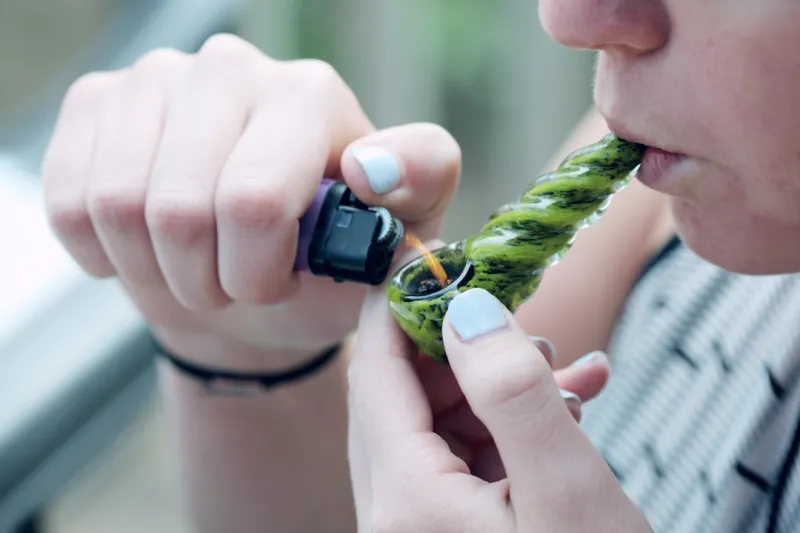
When I first lifted a sleek, palm‑sized device in 2022, I was chasing the glossy promise of a “cleaner” nicotine experience, and the swirl of vapor felt like a modern rite of passage for anyone glued to TikTok trends, the allure was undeniable; yet, as the months slipped by, the novelty faded, replaced by a subtle dependency that whispered in every break at work, every night‑time scroll, and every moment I reached for the familiar plume without truly questioning why I was inhaling. I began to notice that my mornings started with a lingering metallic taste, my lungs felt a faint tightness that no amount of deep breaths could soothe, and my mind, once sharp for brainstorming sessions, now hovered in a haze that made decision‑making feel like wading through fog. It was this personal dissonance that nudged me toward a deeper inquiry, compelling me to examine the cultural, physiological, and emotional currents that keep many of us tethered to the vaping habit.
The Science Behind the Mist: Health Risks We Can’t Ignore
Recent longitudinal studies released in 2025 revealed that aerosolized chemicals, even in the “flavor‑free” variants, can penetrate deep alveolar tissue, prompting inflammatory responses that mirror early stages of chronic obstructive pulmonary disease, and while the media often downplays these findings in favor of sensational headlines, the data underscores a stark reality: vaping is not the benign alternative many marketers claim. Moreover, a 2026 meta‑analysis linked nicotine‑laden vapor to heightened cardiovascular strain, noting that heart rate variability decreases by an average of 12% after just three months of daily use, a statistic that translates into real‑world risks for hypertension and arrhythmias. Beyond the physical, the neurochemical impact of nicotine reshapes reward pathways, making it harder for users to disengage without targeted support, which is why a purely willpower‑based approach often falls short of lasting success.
Mind Over Cloud: The Psychological Pull of Vaping
Beyond the biochemical hooks, vaping embeds itself in the fabric of our daily rituals, acting as a social badge that signals belonging in everything from college dorm lounges to corporate break rooms, and each puff becomes a subconscious cue that signals relief from stress, boredom, or the pressure to conform; this ritualization creates a feedback loop where the act of vaping is less about nicotine and more about identity and emotional regulation. When I stopped to reflect, I realized that many of my cravings coincided with moments of anxiety—after a tough client call, during a lull in a Zoom meeting, or while scrolling through endless news feeds that amplify fear. The realization that my habit was a coping mechanism, rather than a simple pleasure, opened the door to alternative strategies that address the root emotional triggers instead of merely masking them with vapor.
Holistic Healing: Why I Turned to Whole‑Self Strategies
Instead of chasing quick fixes, I embraced a holistic framework that views the body, mind, and environment as interconnected, drawing inspiration from Sarah Gray’s holistic blueprint which emphasizes mindful breathing, nutrient‑dense foods, and community accountability as the trio of pillars for sustainable cessation; this approach taught me that quitting isn’t a singular event but a gradual recalibration of habits, sensations, and social cues. By integrating daily hydration rituals, I noticed that cravings often dissolved when my mouth felt moist and satisfied, and swapping flavored e‑liquids for antioxidant‑rich teas provided a sensory substitute that honored the ritual without the harmful chemicals. The shift from a nicotine‑centric mindset to a whole‑self perspective also encouraged me to track my emotional states, revealing patterns that previously went unnoticed and allowing me to intervene before a stress‑induced vape session could begin.
Nourish to Flourish: The Role of Nutrition in Breaking the Cycle
What surprised me most was the impact of dietary choices on nicotine cravings; foods high in magnesium, such as leafy greens, nuts, and dark chocolate, helped stabilize my nervous system, reducing the jittery urge that often preceded a vape, while omega‑3‑rich fish supported brain health, making the mental fog associated with withdrawal less severe. I also incorporated a daily dose of probiotic‑laden kefir, which, according to recent gut‑brain research, can modulate dopamine pathways that are directly implicated in addiction cycles, thereby softening the psychological pull of the vape. In parallel, I explored my holistic health journey, discovering that a balanced intake of whole foods not only fuels the body but also nurtures the mind, creating a resilient platform from which I could confront cravings without resorting to old habits.
Breath Work and Body Movement: Rewiring the Reward System
One of the most transformative tools I adopted was intentional breath work, specifically the 4‑7‑8 technique, which slows heart rate and triggers a parasympathetic response, effectively counteracting the adrenaline surge that often precipitates a vape break; practicing this for just five minutes during a stressful call resulted in a noticeable dip in the impulse to reach for my device. Complementing breath work with gentle movement—yoga flows that focus on spinal alignment and core stability—helped release tension stored in the chest and ribcage, areas that I later realized were physically constricted by habitual inhalation. These practices not only provided a healthier outlet for stress but also rewired my brain’s reward circuitry, teaching it that relaxation and satisfaction can be achieved through natural, non‑chemical means, a shift that proved essential during the toughest withdrawal weeks.
The Power of Community: Finding Support in Unexpected Places
While personal discipline is vital, I quickly learned that community support acts as a catalyst for lasting change; I joined a private forum where members share daily victories, setbacks, and practical tips, and the collective accountability created an environment where I felt seen and encouraged, reducing the isolation that often fuels relapse. In addition, I attended virtual workshops hosted by holistic coaches who specialize in addiction recovery, and the interactive Q&A sessions allowed me to ask specific questions about coping strategies, such as how to handle social events where vaping is the norm. The sense of belonging, reinforced by shared stories and resources, turned my journey from a solitary battle into a collaborative movement, reminding me that quitting is not just a personal triumph but a shared victory that can inspire others to follow suit.
Action Plan: A Step‑by‑Step Roadmap to Freedom
To translate insight into action, I crafted a 30‑day roadmap that blends gradual reduction, habit substitution, and reflective journaling; the first week focused on logging every vape moment, noting triggers, and swapping each craving with a glass of infused water, the second week introduced a nicotine‑free vape pen as a transitional tool, while simultaneously increasing daily yoga sessions to three times per week, and the third week eliminated the device entirely, replacing it with a gratitude practice that reinforced my commitment each night. Throughout this process, I set measurable milestones—such as a 50% reduction in daily puffs by day 15 and a complete cessation by day 30—celebrating each win with non‑food rewards like a new journal or a nature hike, which reinforced positive reinforcement and kept motivation high. By the end of the month, not only had I reclaimed my breath, but I also discovered a newfound clarity that permeated my work, relationships, and creative pursuits, confirming that a structured, compassionate plan can indeed rewrite the narrative of addiction.
Looking Ahead: A Smoke‑Free Future for the Modern World
As we stand in 2026, the vaping landscape continues to evolve, with emerging technologies promising even sleeker devices and more enticing flavors, yet the core challenge remains: empowering individuals to make informed choices that honor their whole‑self health; my hope is that by sharing this transparent, experience‑driven roadmap, others will feel emboldened to question the status quo and seek alternatives that align with their long‑term well‑being. The journey from dependence to autonomy is not linear, and setbacks are inevitable, but each step taken with intention, support, and a holistic mindset brings us closer to a collective culture where vapor clouds are replaced by clear skies of wellness. If you’re reading this and recognize a part of your own story in these words, I invite you to explore the resources mentioned, join a supportive community, and remember that the power to change resides within, waiting for the right moment to be activated.

Brandy Miller is a dynamic freelance writer based in the vibrant city of Cambridge, Ontario. With a passion for storytelling that knows no bounds, she crafts compelling narratives that captivate and inspire. Brandy’s love for writing shines through in her versatile work, whether she’s penning thought-provoking articles or engaging content that resonates with readers. Her unique perspective and friendly tone make her a sought-after voice in the writing community. When she’s not weaving words together, you can find her exploring the beautiful landscapes of Ontario, always seeking new adventures and inspiration for her next piece. Brandy is not just a writer; she’s a creative force, making her mark one word at a time.
Related Posts

Beyond the Haze: How Vaping Is Redrawing the Map of Urban Sustainability
A deep dive into vaping’s hidden environmental costs, emerging policies, and the innovative design... Read More

The Hidden Power of Vaping as a Mindful Sensory Ritual
Vaping isn’t just nicotine; it can be a deliberate, sensory‑rich pause that sharpens focus, ease... Read More

Breaking the Cloud: A Sensory Approach to Quitting Vaping
A practical guide that blends environment design, habit loops, and cutting‑edge wellness tools to ... Read More
Top Posts

From Data to Daily Wins: A Tech‑Savvy Path to Stable Blood Sugar
Learn how continuous glucose monitors, smart apps, stress‑busting breathwork, and micro‑movement can transform blood‑sugar control into a sustainable, dai...Read More

Cold Water Immersion: Unlocking Immune Power and Mental Clarity
Cold water immersion triggers physiological responses that boost immunity, enhance mental clarity, and support metabolism. Learn the science, safety tips, and s...Read More

Unlocking a Holistic Weight‑Loss Journey: My Path to Lasting Change
A personal, holistic guide to weight loss that goes beyond the scale, focusing on mindset, nutrition, movement, detox, and sleep for lasting transformation....Read More
The Brain‑Boosting Power of Plant Polyphenols: A Culinary Chemistry Guide
Learn to turn everyday meals into brain‑fueling powerhouses by mastering polyphenol sources, cooking methods, and timing for optimal cognitive health....Read More
0 Comments
Post Comment
You will need to Login or Register to comment on this post!