

Why Forest Bathing Is the Missing Piece in Modern Health Routines
When I first heard the term shinrin‑yoku—the Japanese phrase that translates to “forest bathing”—I imagined a luxury spa experience, perhaps a scented candle and a guided meditation. The reality, however, is far more elemental and, frankly, more potent. It’s not about a product or a trendy supplement; it’s about stepping out of the concrete maze, letting your senses dissolve into a canopy of trees, and letting the forest do the heavy lifting for your body and mind.
As someone who spends most of my days glued to a screen, juggling client calls, data dashboards, and the endless cascade of emails, I’ve learned that the most effective health hacks often come from the simplest, most natural sources. The science behind forest bathing is robust enough to make me schedule regular “tree dates” on my calendar—just as I would a business meeting. In this post, I’ll unpack the physiological, psychological, and even professional benefits of immersing yourself in a woodland environment, and I’ll share a step‑by‑step guide to make it a sustainable habit.
The Physiology of Green: What Happens Inside When You Enter the Woods
At first glance, walking through a forest might seem like a low‑impact activity—just a leisurely stroll. Yet, research reveals that the forest environment triggers a cascade of measurable physiological changes:
- Reduced cortisol levels: The scent of phytoncides—antimicrobial compounds released by trees—has been shown to lower the stress hormone cortisol, providing a natural anti‑stress buffer.
- Enhanced parasympathetic activity: Your “rest‑and‑digest” nervous system takes the reins, slowing heart rate and improving heart rate variability (HRV), a key marker of resilience.
- Improved immune function: Exposure to the diverse microbiome of forest air can boost natural killer cell activity, strengthening your immune surveillance.
- Lower blood pressure: Studies consistently report a modest but significant drop in systolic and diastolic pressures after just 20‑30 minutes among participants.
These changes aren’t merely anecdotal; they’re quantifiable. The data aligns closely with findings from Saunas and Wearables and Breathwork, but forest bathing delivers them without any equipment or subscriptions—just the trees.
Mindful Immersion vs. Digital Distraction
One of the most striking contrasts between forest bathing and our typical health routines is the intentional disengagement from digital devices. In an era where the Digital Sabbatical movement encourages us to step away from screens, forest bathing offers a physical counterpart: you leave the digital realm behind and step into a living, breathing ecosystem.
The forest’s multisensory landscape forces you to slow down. The rustle of leaves, the distant call of a bird, the earthy aroma after a light rain—each cue pulls you out of the dopamine loop that screens create. This enforced mindfulness doesn’t just reduce anxiety; it rewires your brain’s default mode network, fostering a more balanced emotional baseline.
From the Office to the Oak: Translating Forest Benefits to Workplace Performance
Imagine walking into a meeting after a 30‑minute forest session. Your cortisol is down, HRV is up, and your mind feels clear. The result? Sharper focus, better decision‑making, and a heightened capacity for creative problem‑solving. In fact, companies are beginning to recognize the competitive advantage of nature‑based wellness programs. Employees who regularly engage with natural environments report higher job satisfaction and lower burnout rates.
Even if you can’t bring a pine forest into the office, you can bring its principles: incorporate indoor plants, create a “green break” area, or schedule brief walks in nearby parks. The underlying premise is the same—exposing yourself to natural stimuli to reset your nervous system and boost cognitive performance.
How to Start Your Forest Bathing Practice (Without Being a Hiking Pro)
Below is a practical, no‑frills roadmap for integrating forest bathing into a busy schedule. No gear, no intense cardio, just presence.
- Find a nearby green space: It could be a city park, a river trail, or even a university arboretum. The key is vegetation density—look for a spot with a canopy of trees.
- Set a timer for 20‑30 minutes: This is the sweet spot where physiological benefits have been consistently documented.
- Leave devices behind: Turn off notifications, stash your phone in a pocket, and commit to an unplugged experience.
- Engage all senses: Notice the colors, textures, sounds, and smells. Try to identify at least five distinct sensory inputs.
- Practice slow breathing: Inhale through the nose for four counts, hold for two, exhale for six. Let the rhythm align with the natural sounds around you.
- Reflect briefly: After your walk, take a minute to note any shifts in mood, heart rate, or mental clarity.
Consistency trumps intensity. Even a weekly 30‑minute session can produce measurable health improvements over time.
Integrating Forest Bathing with Existing Health Strategies
If you already have a wellness regimen—whether it’s a morning cardio routine, a Mediterranean diet, or a mindfulness practice—forest bathing can act as a synergistic layer. Here’s how:
- Combine with nutrition: Pair your forest walk with a post‑walk snack rich in antioxidants—berries, nuts, or a green tea. The combined antioxidant boost amplifies cellular repair.
- Layer with movement practices: Follow a gentle forest stroll with a short yoga sequence, focusing on grounding poses like tree pose (Vrksasana). This bridges the physical stillness of the forest with mindful movement.
- Pair with sleep hygiene: A late afternoon forest session can regulate circadian rhythms, making it easier to wind down for a restful night.
These integrations make forest bathing a flexible component of a holistic health portfolio, rather than a stand‑alone activity.
Addressing Common Misconceptions
Let’s dispel a few myths that often deter people from trying forest bathing:
- “I need to be an avid hiker.” — False. The practice is about presence, not exertion. A gentle stroll on a flat trail is sufficient.
- “It’s only for people who love nature.” — Not at all. Even city dwellers who feel disconnected from green spaces can benefit by seeking out any vegetated area.
- “I need special equipment.” — No. Comfortable shoes, weather‑appropriate clothing, and an open mind are all you need.
- “It’s just a trend.” — The body of peer‑reviewed research has been growing for decades, confirming lasting benefits beyond hype.
Measuring Success: Simple Metrics to Track Your Progress
While forest bathing is inherently qualitative, you can still track tangible outcomes:
- Heart rate variability (HRV): Many wearables capture HRV. Notice if baseline HRV improves after a month of regular forest sessions.
- Stress questionnaire: Use a brief daily stress rating (1‑10) and observe trends.
- Sleep quality: Log bedtime and wake‑time consistency. Many report deeper, more restorative sleep after regular nature exposure.
These metrics can help you justify the practice to skeptical stakeholders—be they yourself, a manager, or a health insurance provider.
Forest Bathing as a Corporate Wellness Initiative
Forward‑thinking organizations are beginning to embed nature immersion into employee wellness programs. Consider proposing a quarterly “Forest Day” where teams gather for a guided walk in a nearby park. Pair this with a brief workshop on stress reduction and you have a low‑cost, high‑impact benefit that aligns with the Smarter Health Insurance narrative—investing in prevention to reduce long‑term costs.
Even a simple policy that encourages “green breaks” can shift corporate culture toward holistic health, fostering a workforce that is more engaged, creative, and resilient.
Wrapping Up: Making Forest Bathing Your Secret Health Weapon
In a world that constantly pushes us toward higher productivity, the notion of intentionally slowing down can feel counter‑cultural. Yet, the data is clear: stepping into a forest isn’t a luxury; it’s a scientifically backed health intervention that can lower blood pressure, boost immunity, improve mental clarity, and even enhance workplace performance.
My challenge to you, whether you’re a busy executive, a remote worker, or a health‑focused entrepreneur, is to treat forest bathing with the same seriousness you would a quarterly financial review. Schedule it, measure its impact, and iterate. Over time, you’ll discover that the forest isn’t just a backdrop—it’s a catalyst for a healthier, more balanced life.

Kelly Reynolds is a dynamic freelance writer hailing from the picturesque landscapes of Alberta. A master of the written word, she juggles her passion for storytelling with the exhilarating chaos of being a mother to five spirited children. With an impressive portfolio that spans various genres, Kelly captivates readers through her engaging blog posts and thought-provoking articles.
Related Posts
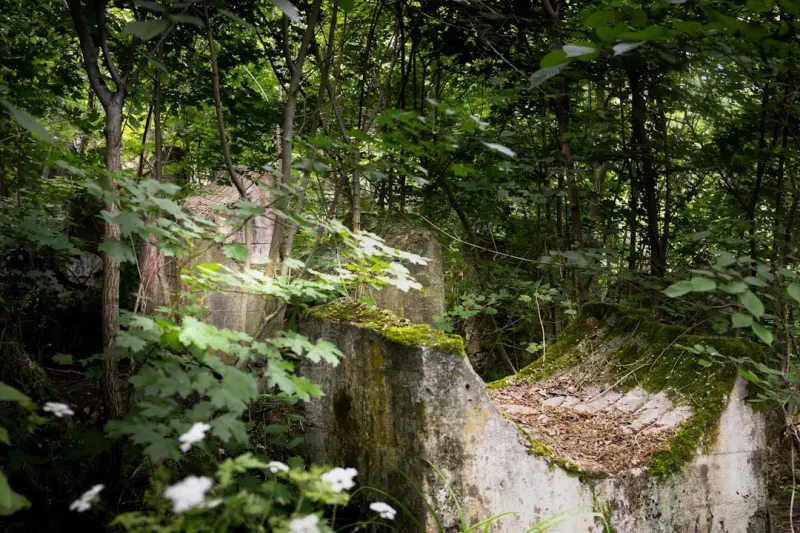
Finding Calm in Concrete: How Forest Bathing Can Transform Your Workday
A practical guide to incorporating forest bathing into a city professional’s routine, highlighting... Read More

Holistic Reset: My Journey to Whole‑Self Wellness in 2024
Tammy French shares a personal, holistic roadmap to reboot health—detox, sleep, quitting nicotine,... Read More

Adaptive Hydration: Real‑Time Personalization for Optimal Health
Adaptive hydration uses continuous biometric monitoring and AI-driven alerts to personalize water an... Read More
Top Posts
Nature Immersion: A Fresh Path to Boost Brain Power
Learn practical, science‑backed ways to weave nature into your daily routine, enhancing cognition, mood, and resilience—all in just minutes a day....Read More

Quiet Strategies for a Resilient Liver
Explore easy, everyday habits that strengthen your liver—managing stress, improving sleep, adding adaptogens, and using gentle tech for lasting vitality....Read More

Breaking the Midnight Loop: Narrative Strategies to Reclaim Rest
Learn how to use narrative reframing, micro‑storytelling, and future‑self dialogue to break the insomnia cycle and achieve deeper, faster sleep....Read More

The Hidden Levers of Muscle Growth: A Systems Approach
Muscle growth isn’t just about lifting heavier; it’s a complex system of signals, nutrition, sleep, and stress management. This guide reveals how micro‑ad...Read More
0 Comments
Post Comment
You will need to Login or Register to comment on this post!