
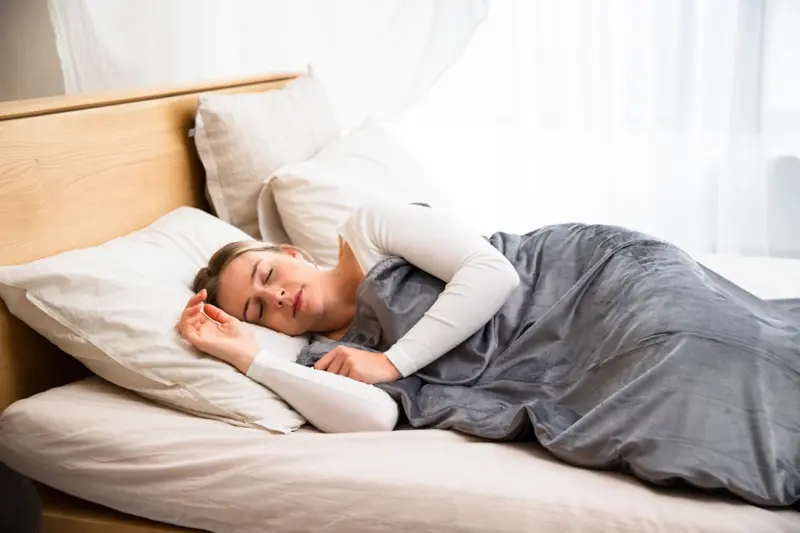
When I first heard the term “silent night‑time thief,” I thought it was poetic fluff—until my partner’s restless breathing turned my bedroom into a nightly mystery. Sleep apnea isn’t just a snore; it’s a cascade of physiological stressors that silently erode health, mood, and productivity. In this post, I’ll walk you through the overlooked environmental cues, emerging low‑tech tools, and simple daily habits that can help you reclaim quiet, restorative sleep without jumping straight to a CPAP machine.
Why the Environment Matters More Than You Think
Most conversations about sleep apnea focus on anatomy—airway size, weight, or genetics. While those factors are undeniably important, the room you sleep in can be an equally powerful ally or adversary. A few subtle adjustments can reduce airway resistance and improve oxygen flow, often before you consider any medical device.
- Air Quality: Dust mites, pet dander, and volatile organic compounds (VOCs) can inflame nasal passages, making breathing more labored. A HEPA filter or a simple window opening each morning can dramatically lower allergen load.
- Humidity Levels: Dry air dries out the mucous membranes, narrowing the airway. Aim for 40‑55 % relative humidity; a small bedside humidifier does the trick.
- Temperature: Overly warm environments encourage deeper, slower breaths, which can exacerbate apneic episodes. Keep the bedroom cool—around 65 °F (18 °C) is ideal for most people.
These tweaks feel modest, but they set the stage for deeper, more stable breathing patterns. If you’ve ever noticed that you sleep better in a cooler room or after a night of opening windows, you’ve already experienced the power of environmental tuning.
Low‑Tech Tools That Give Your Airway a Boost
Before you invest in high‑end wearables or a CPAP, explore these budget‑friendly options that many people overlook.
- Positional Pillows: Sleeping on your back is the most common trigger for obstructive episodes. A wedge pillow or a strategically placed body pillow encourages side‑sleeping, reducing the likelihood of airway collapse.
- Nasal Dilators: Small, flexible strips that gently expand the nostrils can improve airflow without medication. They’re especially effective for people whose primary issue is nasal congestion.
- Oral Appliances: Over‑the‑counter mouth guards that adjust jaw positioning can keep the tongue from falling backward. While custom devices from dentists are more precise, a well‑fitted OTC version can be a good trial.
These tools are often recommended as “intermediate steps” in sleep medicine, but they can be first‑line solutions for mild to moderate cases, especially when combined with environmental changes.
Leveraging Data From Everyday Devices
Even if you’re not ready for a medical‑grade sleep study, your smartphone or smartwatch can provide useful clues. Most modern wearables track heart rate variability (HRV) and oxygen saturation (SpO₂) during the night. Look for patterns such as:
- Recurring dips in SpO₂ below 90 %.
- Sudden spikes in heart rate that often accompany apnea events.
- Irregular breathing rhythm indicated by HRV fluctuations.
When you notice these trends, it’s a signal to consult a professional. But in the meantime, you can use the data to fine‑tune your bedroom environment and daily habits.
Nutrition and Timing: A Surprising Connection
What you eat—and when you eat—can influence airway tone. Heavy meals right before bedtime increase stomach pressure, which can push up against the diaphragm and worsen apnea. A light, protein‑rich snack (like Greek yogurt or a handful of nuts) two hours before sleep is far less disruptive.
In addition, certain foods that promote inflammation—processed sugars, excessive saturated fats, and alcohol—can increase tissue swelling in the throat. Incorporating anti‑inflammatory staples such as leafy greens, fatty fish, and turmeric may help keep the airway more supple.
For those tracking blood sugar, you might be surprised to learn that spikes and crashes can affect breathing patterns. A stable glucose rhythm supports steady respiratory drive. As a reminder of this link, consider reading how blood sugar rhythms intersect with breathing for deeper insight.
Mind‑Body Practices That Calm the Airway
Stress is a silent amplifier of sleep apnea. When the nervous system is on high alert, muscles—including those that keep the airway open—tend to tense. Integrating gentle mind‑body techniques can lower overall tension and improve nighttime breathing.
- Box Breathing: Inhale for four counts, hold for four, exhale for four, hold again for four. Practicing this for five minutes before bed activates the parasympathetic nervous system.
- Progressive Muscle Relaxation (PMR): Systematically tense and release muscle groups, starting from the toes and moving upward. This reduces overall muscular tension, including in the throat.
- Yin Yoga: Slow, floor‑based poses held for several minutes can gently stretch the neck and upper chest, promoting better airway alignment.
Consistency is key. Even a brief 10‑minute routine each night can make a measurable difference over weeks.
When to Seek Professional Evaluation
While lifestyle tweaks can dramatically improve mild symptoms, they’re not a substitute for a proper diagnosis in moderate to severe cases. Look for red flags such as:
- Excessive daytime sleepiness interfering with work or driving.
- Loud, choking noises witnessed by a partner.
- Morning headaches or dry mouth.
- High blood pressure that’s difficult to control.
If any of these resonate, schedule a sleep study. Early detection not only safeguards your health but also preserves cognitive function and emotional wellbeing.
The Business Angle You Might Not Expect
Sleep apnea can stealthily drain productivity. A recent deep‑dive into corporate health highlighted how untreated breathing disruptions erode focus, decision‑making, and even creative output. For leaders, investing in employee wellness programs that address sleep health can yield tangible ROI.
To explore the broader impact on workplace performance, check out the hidden cost of missed breaths at work. The article outlines actionable steps for HR teams to support staff—from offering sleep screenings to providing quiet, temperature‑controlled break rooms.
Design Tricks That Calm the Airway
While the phrase “design tricks” might sound like interior‑decor jargon, strategic layout decisions can actually reduce apnea episodes. For example, positioning your bed away from windows that let in drafts keeps the room’s temperature stable throughout the night. Adding a low‑profile headboard that supports proper neck alignment can also keep the airway open.
Curious about how space design influences sleep quality? Dive into design tricks that calm the airway for a deeper look at how subtle changes in lighting, color palette, and furniture placement can promote a more restful night.
Putting It All Together: A 30‑Day Action Plan
Transforming your sleep environment and habits doesn’t have to be overwhelming. Below is a straightforward, day‑by‑day guide that integrates the strategies discussed.
- Day 1‑3: Conduct a bedroom audit. Remove electronics that emit blue light, add a HEPA filter, and set the thermostat to 65 °F.
- Day 4‑7: Introduce a positional pillow and start a nightly box‑breathing routine.
- Day 8‑10: Replace heavy dinner with a light protein snack, and eliminate alcohol after 6 p.m.
- Day 11‑14: Begin tracking SpO₂ and heart rate with your smartwatch; note any patterns.
- Day 15‑18: Add a 5‑minute PMR session before bed; experiment with a small humidifier.
- Day 19‑21: Review data; if SpO₂ dips persist, consider a nasal dilator or oral appliance trial.
- Day 22‑25: Assess daytime alertness. If still foggy, schedule a professional sleep evaluation.
- Day 26‑30: Share findings with your workplace wellness coordinator (if applicable) and propose a collective sleep‑health initiative.
Consistency is the secret sauce. Most readers report noticeable improvements in sleep continuity and morning energy within two weeks of sticking to the plan.
Final Thoughts: Sleep Apnea as a Lifestyle Signal
Rather than viewing sleep apnea solely as a medical condition, consider it a feedback loop—a signal that your body’s environment, habits, and stress levels are out of sync. By addressing the root causes—air quality, temperature, nutrition, and mindfulness—you empower your body to heal itself. And if those adjustments aren’t enough, you’ll have solid data and a clearer understanding when you do seek professional help.
Sleep is the ultimate productivity tool. When you protect it, you protect your health, your creativity, and your future.

Jessica Hall is a dynamic freelance writer based in the vibrant city of London, Ontario. As a dedicated single mom, she expertly juggles the demands of parenthood with her passion for storytelling, crafting compelling narratives that resonate with readers. With a background in retail, Jessica brings a unique perspective to her writing, infusing her work with insights drawn from her experiences
Related Posts

Quieting the Night: A Fresh Playbook for Managing Sleep Apnea
A comprehensive guide offering actionable tips—from bedroom setup to breathing exercises—designe... Read More

Breathing Business: How Untreated Sleep Apnea Undermines Executive Performance
Untreated sleep apnea erodes executive decision‑making, emotional stability, and long‑term healt... Read More

The Silent Saboteur: How Sleep Apnea Undermines Performance and How to Fight Back
Sleep apnea often goes unnoticed, yet it erodes focus, creativity, and decision‑making in high‑p... Read More
Top Posts

From Bars to Balance: My Holistic Blueprint for Sustainable Muscle Gain
Lifan Chen shares a comprehensive, science‑backed plan that integrates nutrition, mindful training, optimal recovery, and mental resilience to achieve sustain...Read More

The Hidden Dialogue: How Your Gut Shapes Everyday Decision‑Making
Your gut is more than a digestion organ—it’s a communication hub that impacts mood, cognition, and daily choices. Discover how microbial diversity, timing, ...Read More

Designing Workspaces That Sync With Women’s Hormonal Rhythms
A deep dive into how office environments can be reimagined to honor women’s natural hormonal cycles, enhancing comfort, focus, and overall performance while f...Read More

Cold Exposure: The Underutilized Performance Hack for Modern Men
A practical guide shows how cold showers, ice baths, and contrast therapy can enhance metabolism, mental focus, and recovery for men, integrating with micro‑s...Read More
0 Comments
Post Comment
You will need to Login or Register to comment on this post!