
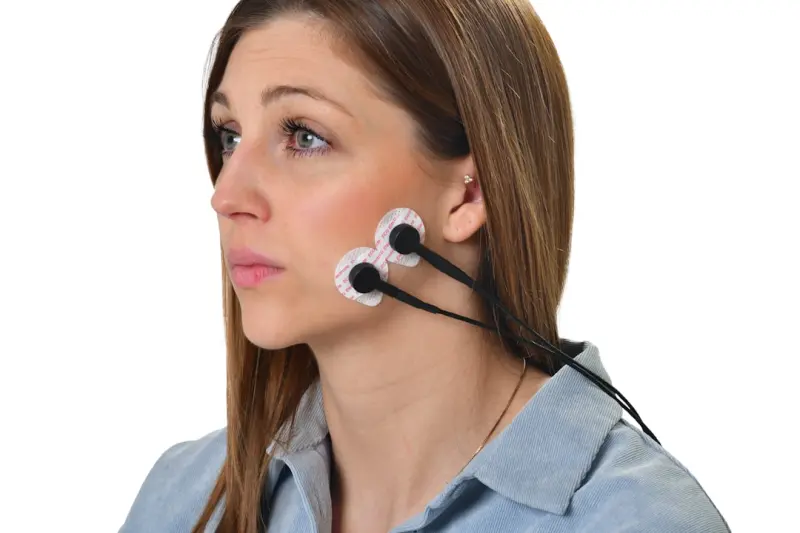
Why Biofeedback Is the Missing Link in Modern Physiotherapy
When I first walked into a traditional physiotherapy clinic, the room smelled of linseed oil and fresh towels, and the focus was purely on hands‑on techniques. Fast forward a few years, and my own practice now feels like a blend of a biomechanics lab and a data‑analytics hub. The catalyst? Biofeedback technology.
For executives and knowledge workers, the stakes are high. Hours hunched over screens, relentless travel, and the pressure to perform create a perfect storm for musculoskeletal dysfunction. Conventional physiotherapy can address the symptoms, but it often falls short of providing real‑time insight that empowers individuals to make immediate, corrective choices. Biofeedback fills that gap, converting physiological signals into visual or auditory cues that the brain can instantly interpret.
The Science Behind Biofeedback: From Muscle Activation to Posture
At its core, biofeedback captures signals such as electromyography (EMG), skin temperature, heart‑rate variability, and even joint angle data. These signals are then processed and displayed through a wearable device or a smartphone app. The user sees, for example, that their upper trapezius is firing at 75% of maximal capacity while they’re typing—a clear indication of tension that can be corrected on the spot.
What makes biofeedback powerful is the principle of neuroplasticity. By repeatedly pairing a physiological state with a sensory cue, the brain learns to rewire its motor patterns. Over weeks, this can transform a habit of slouching into a habit of aligning the thoracic spine, without the need for constant therapist supervision.
Integrating Biofeedback into a Physiotherapy Program
Below is a step‑by‑step framework I’ve refined for high‑performance professionals:
- Assessment Phase: Begin with a comprehensive biomechanical analysis, including motion capture and EMG baselines. This mirrors the precision you’d find in a sports science lab.
- Device Selection: Choose wearables that are unobtrusive yet accurate. For posture, inertial measurement units (IMUs) placed at the thoracic spine and sacrum work wonders. For muscle activation, surface EMG patches on the neck, shoulders, and lower back provide the most actionable data.
- Goal Setting: Translate raw numbers into meaningful targets—e.g., “Maintain thoracic extension angle above 10° for at least 30 minutes during a meeting.”
- Feedback Loop: Set up auditory alerts or gentle vibrations when the user breaches a threshold. The instant cue triggers a micro‑adjustment before fatigue or pain sets in.
- Progress Review: Weekly data dashboards help both therapist and client visualize trends, celebrate gains, and recalibrate goals.
This systematic approach turns physiotherapy from a series of isolated sessions into a continuous, data‑driven partnership.
Case Study: From Chronic Neck Pain to Seamless Virtual Presentations
Consider Maya, a senior VP who spent 12‑hour days on video calls. Her primary complaint was a persistent “tightness” in the upper back that escalated to sharp neck pain after back‑to‑back meetings. Traditional massage and stretching gave temporary relief, but the issue resurfaced within days.
We equipped her with a set of IMU sensors on her clavicles and lower back, linked to a mobile app that displayed a simple “posture score” every minute. When her score dipped below 70, the app emitted a soft chime, prompting her to roll her shoulders and engage a quick thoracic extension exercise.
Within two weeks, Maya’s average posture score rose from 62 to 84, and her reported pain dropped from 7/10 to 2/10 on the visual analogue scale. The breakthrough wasn’t the devices themselves, but the behavioral reinforcement they facilitated. Maya now instinctively corrects her posture, even when she’s not looking at her screen.
Bridging the Gap: Biofeedback Meets the Fascia‑First Approach
Many physiotherapists still view fascia as a “static” tissue, but recent research highlights its dynamic role in proprioception and movement efficiency. Biofeedback can amplify a fascia‑focused regimen by providing quantitative evidence of how myofascial release translates into improved muscular activation patterns.
For instance, after a series of instrument‑assisted fascial releases, we can track EMG activity in the latissimus dorsi during overhead reaching. An increase in activation symmetry signals that the fascial restrictions have been successfully mitigated. This data not only validates the therapist’s manual work but also gives the client a tangible metric to track their own progress.
Remote Physiotherapy: Extending Care Beyond the Clinic Walls
The pandemic accelerated the adoption of telehealth, but many clinicians struggled to maintain the hands‑on component that defines physiotherapy. Biofeedback bridges that divide, allowing therapists to “see” what the client’s body is doing in real time, even from miles away.
Through platforms like the Remote Physiotherapy Playbook, therapists can prescribe specific biofeedback‑guided exercises, monitor adherence via cloud‑synced dashboards, and adjust parameters on the fly. This model not only reduces missed appointments but also empowers remote workers to take ownership of their musculoskeletal health.
Addressing Common Skepticisms
“I don’t need a gadget; I can feel my own posture.” While proprioception is valuable, it degrades under fatigue and stress. Biofeedback acts as an external “second sense,” catching errors that the body’s internal monitoring may miss.
“The data will be overwhelming.” Modern interfaces distill complex metrics into intuitive scores or color‑coded alerts. The goal is simplicity, not data overload.
“It’s too expensive for my team.” The market now offers consumer‑grade wearables that cost a fraction of traditional lab equipment. When you factor in reduced injury‑related downtime, the ROI becomes evident.
Future Trends: AI‑Enhanced Biofeedback and Predictive Analytics
Looking ahead, artificial intelligence will play a pivotal role in interpreting biofeedback streams. Machine‑learning algorithms can predict injury risk before symptoms appear by recognizing subtle deviations in movement patterns. Imagine an executive receiving a proactive alert: “Your shoulder girdle asymmetry suggests a 30% increased risk of rotator cuff strain. Perform these targeted mobility drills now.”
Such predictive capabilities will shift physiotherapy from a reactive to a preventative discipline—a paradigm shift that aligns perfectly with the performance‑centric mindset of today’s leaders.
Getting Started: Practical Tips for Executives and Their Teams
- Start Small: Begin with a single sensor (e.g., a posture tracker) and a simple feedback loop. Master one habit before adding complexity.
- Partner with a Biofeedback‑Savvy Physiotherapist: Not all therapists are trained in this niche. Look for certifications in sports science or digital health.
- Integrate Into Existing Routines: Pair feedback alerts with natural breaks—stand up for a quick stretch when the chime sounds.
- Leverage Data for Leadership Development: Share anonymized aggregate data with HR to illustrate the link between musculoskeletal health and productivity.
- Iterate: Review weekly dashboards, celebrate wins, and refine thresholds. The process is dynamic, not static.
Conclusion: Turning Data Into Movement
Physiotherapy has always been about restoring function, but in the digital age, it can also be about optimizing performance through data. Biofeedback transforms the therapist‑client relationship into a continuous feedback loop, giving executives the tools to preempt injury, improve posture, and maintain the kinetic efficiency required for high‑stakes decision making.
By embracing this technology, you’re not just treating pain—you’re building a resilient, data‑informed body that can keep up with the relentless pace of modern leadership.

Lifan Chen is a freelancer based in Toronto specializing in marketing. With expertise in crafting effective marketing strategies and campaigns, Lifan helps businesses grow their brand presence and reach target audiences. As a Toronto-based freelancer, Lifan combines local market insights with creative marketing skills to deliver tailored solutions for clients.
Related Posts

Physiotherapy Roadmap for Long COVID Recovery
A comprehensive guide from physiotherapist Jessica Hall on managing long COVID through breathing reâ... Read More

Nature‑Based Physiotherapy: Healing Outdoors
Explore the emerging practice of nature‑based physiotherapy, where outdoor environments enhance pr... Read More
AI‑Driven Home Physio: How Smart Coaching is Redefining Recovery
AI‑driven home physiotherapy turns every living room into a smart rehab studio, offering instant f... Read More
Top Posts

The Impact of Preventive Care on Cancer Treatment Outcomes
Preventive care plays a vital role in the early detection and treatment of cancer. Learn how prioritizing preventive care can help individuals reduce their risk...Read More

When Dreams Hijack Daylight: Turning Narcolepsy into a Creative Superpower
Explore how brief REM bursts in narcolepsy become a hidden wellspring of artistic inspiration, offering tools to capture, nurture, and harness these spontaneous...Read More

Rewiring the Relationship with Food: A Data‑Inspired, Compassion‑First Approach
A personal guide that blends data tracking, body‑based practices, and supportive communities to help those with eating disorders move from rigid rules to a co...Read More
My Personal Blueprint for Stabilizing Blood Pressure Through Lifestyle Sync
Tammy French shares her evolving, personalized blueprint for managing blood pressure—combining mindful breathwork, intentional hydration, enjoyable movement, ...Read More
0 Comments
Post Comment
You will need to Login or Register to comment on this post!