
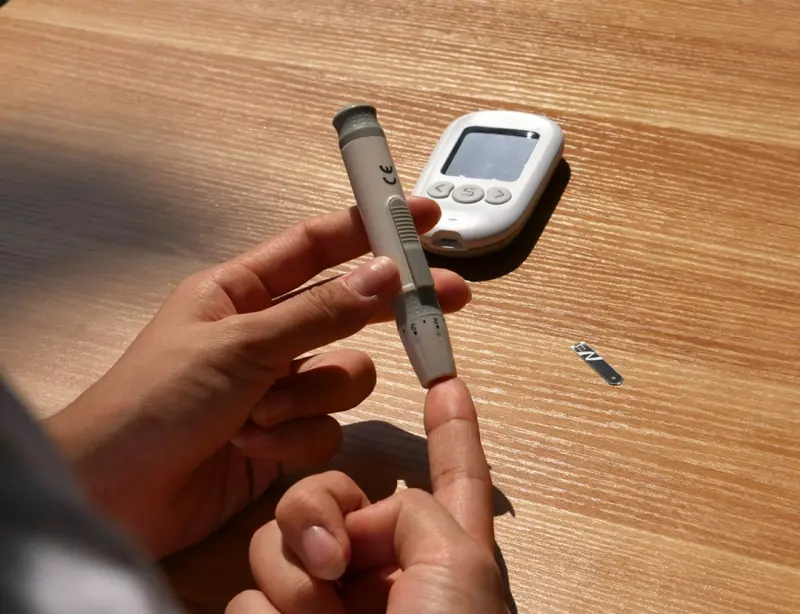
When I first sat down with my glucometer after a chilly morning walk, the numbers surprised me. Not because I’d eaten a sugary snack, but because the cold air seemed to push my glucose a notch higher. It wasn’t a fluke – it was a pattern that kept resurfacing, especially during the winter months or after a night in an over‑cooled bedroom. I started to wonder: could the environments we live in be silently steering our blood‑sugar roller coaster?
Why Ambient Temperature Is an Underrated Blood‑Sugar Lever
Most of the conversation around glucose management focuses on what we eat, when we eat, and how much we move. Rarely do we pause to consider the temperature of the room we’re working in, the humidity of the shower we step into, or the climate of the city we call home. Yet research into thermoregulation and metabolism tells a compelling story:
- Cold exposure spikes catecholamines – hormones like adrenaline that trigger the liver to release stored glucose into the bloodstream.
- Heat promotes vasodilation, improving insulin’s ability to reach muscle cells and encouraging glucose uptake.
- Humidity shifts the body’s sweat response, altering electrolyte balance and indirectly influencing insulin sensitivity.
In short, the thermostat isn’t just a comfort device; it’s a subtle metabolic dial.
The Science Behind Heat, Cold, and Glucose
When you step into a chilly office, brown‑fat cells (the good‑type fat that burns calories to generate heat) activate. This thermogenic response is a double‑edged sword. While it can boost calorie expenditure, it also ramps up hepatic glucose production to fuel the process. Conversely, mild warmth (think 22‑24°C or 71‑75°F) signals the body that it can allocate resources to other tasks, like facilitating insulin‑mediated glucose transport into muscle fibers.
One fascinating study showed that participants who spent 30 minutes in a 19°C (66°F) environment after a carbohydrate‑rich meal had a significantly higher post‑prandial glucose spike compared to those who stayed at 23°C (73°F). The cold‑induced spike persisted for nearly an hour, illustrating how ambient temperature can prolong glycemic excursions.
Practical Climate Hacks for Home and Office
Below are actionable strategies you can adopt right now. They don’t require a renovation budget or a climate‑control degree – just a few mindful adjustments.
- Set a “sweet spot” thermostat range. Aim for 22‑24°C (71‑75°F) during work hours. Use a programmable smart thermostat to keep the temperature steady, especially after meals.
- Warm up before meals. A quick 5‑minute gentle stretch or a warm shower can raise skin temperature, priming muscles for better insulin response.
- Cool down after high‑carb meals. A brief period in a cooler room (around 18‑20°C or 64‑68°F) can blunt the post‑prandial surge by reducing hepatic glucose output.
- Leverage humidity. Aim for 40‑50% relative humidity. Too dry air can stress the mucosal lining and raise cortisol, which antagonizes insulin. A simple humidifier in the bedroom can make a difference.
- Dress for temperature. Light, breathable fabrics in warm settings; layered, insulated clothing when you need to stay warm without cranking up the heater.
Smart Clothing and Wearables: The New Frontier
Imagine a shirt that detects skin temperature and automatically signals your phone to adjust the thermostat, or a wristband that alerts you when you’re entering a temperature zone that could jeopardize glucose stability. While fully integrated systems are still emerging, the building blocks are already in place.
Devices that monitor skin conductance, heart rate variability, and peripheral temperature are becoming mainstream. Pair them with a glucose tracker, and you get a richer data set that reveals how temperature fluctuations correlate with your blood‑sugar readings. For inspiration on integrating biofeedback, check out Harnessing Wearable Biofeedback to Anticipate Autoimmune Flare‑Ups. The same principles apply: the more contextual data you collect, the sharper your personal algorithm becomes.
Seasonal Adjustments: Riding the Weather Wheel
Each season brings its own temperature challenges, and your blood‑sugar strategy should evolve accordingly.
Winter
- Increase indoor humidity to counter dry heating systems.
- Schedule a brief “warm‑up” routine before breakfast – a short yoga flow in a sunny spot or a warm drink (unsweetened herbal tea works well).
- Consider a modest increase in the thermostat during high‑carb meals to mitigate cold‑induced glucose spikes.
Summer
- Maintain cool, but not icy, indoor temperatures (around 24°C/75°F) to avoid heat‑induced dehydration, which can concentrate blood glucose.
- Stay hydrated with electrolyte‑balanced fluids – dehydration can falsely elevate glucose readings.
- Use fans or natural ventilation in the evening to keep humidity in the optimal range.
Spring & Autumn
- These transitional periods are ideal for testing temperature‑glucose relationships. Keep a simple log: note the indoor temperature, your meal composition, and your glucose reading 2 hours later.
- Leverage the moderate climate to experiment with “temperature cycling” – alternating between slightly cooler and warmer environments throughout the day.
Integrating Temperature Hacks with Nutrition and Sleep
Temperature isn’t a stand‑alone hero; it works best when paired with proven nutritional timing and restorative sleep. The synergy is powerful enough that it deserves a dedicated mention.
For example, the Clockwork Kitchen approach emphasizes aligning meals with circadian rhythms. By adding a temperature layer – say, a warm environment during breakfast to kick‑start insulin sensitivity, followed by a cooler setting for the mid‑day snack – you can fine‑tune the metabolic response.
Similarly, sleep quality directly impacts glucose regulation. A cooler bedroom (around 18‑19°C or 65‑66°F) promotes deeper REM cycles, which in turn improve insulin sensitivity. Conversely, an overheated night can elevate cortisol, nudging blood sugar upward. The Reprogramming Your Night article dives into data‑driven sleep hacks; overlaying temperature control on those practices can amplify results.
A Data‑Driven Routine: Turning Observations into Action
Here’s a step‑by‑step framework to turn temperature awareness into a repeatable habit:
- Baseline Capture. For one week, record indoor temperature, humidity, and your fasting glucose each morning. Use a simple spreadsheet or a notes app.
- Identify Patterns. Look for correlations – does a 2°C drop correspond with a 10‑15 mg/dL rise in post‑meal glucose?
- Set Temperature Triggers. If a pattern emerges, set a rule. Example: “If indoor temp < 20°C after lunch, raise thermostat to 22°C within 15 minutes.”
- Integrate Wearables. Pair a skin‑temperature sensor with your glucose monitor. Set alerts for out‑of‑range temperature spikes.
- Iterate Monthly. Adjust the trigger thresholds based on new data. The goal is a personalized “temperature‑glucose curve” that guides daily decisions.
By treating temperature as a variable in your metabolic equation, you move from a passive environment to an active ally.
Bottom Line: Temperature as a Tactical Tool
Managing blood sugar isn’t solely about counting carbs or logging workouts. It’s also about mastering the micro‑climates that surround you every day. From the thermostat setting in your home office to the humidity level in your bedroom, these environmental levers can either exacerbate glucose spikes or smooth them out.
Embracing temperature hacks doesn’t replace good nutrition or regular movement – it enhances them. When you combine a warm pre‑breakfast environment, a cool post‑lunch setting, smart wearable data, and consistent meal timing, you create a multi‑layered defense that keeps glucose levels steady without relying on medication alone.
So the next time you glance at your glucose meter and see a surprise bump, ask yourself: “What was the ambient temperature when I ate?” The answer might just be the missing piece in your blood‑sugar puzzle.

Related Posts
Stable Blood Sugar: The Unseen Edge for High Performers
A deep dive into why stable blood sugar is a hidden strategic advantage for leaders, featuring actio... Read More

Gut Microbiome Mastery: A Fresh Path to Stable Blood Sugar
Explore the hidden link between gut health and glucose control, and learn actionable strategies—fi... Read More

From Data to Daily Wins: A Tech‑Savvy Path to Stable Blood Sugar
Learn how continuous glucose monitors, smart apps, stress‑busting breathwork, and micro‑movement... Read More
Top Posts

Playful Movement: The Simple Secret to Boosting Mental Health
Explore the science and practical steps for turning everyday moments into joyful micro‑movements that boost mental health and resilience....Read More

Unlocking Muscle Memory: How to Rebuild Strength Faster Than You Thought
Learn how to tap into muscle memory with strategic re‑loading, neuromuscular re‑education, and metabolic priming, turning any layoff into a fast‑track to ...Read More

Desk‑Bound Men: Rewire Vascular Health Today
A practical guide for men who spend most of their day seated, offering micro‑movements, nutrition tweaks, and workspace hacks to protect cardiovascular health...Read More
A Holistic Roadmap to Healthy Aging: Nourish, Move, Rest, and Thrive
Explore a holistic roadmap for healthy aging that blends nutrition, movement, sleep, and mindset to nourish your body, boost energy, and thrive at any age....Read More
0 Comments
Post Comment
You will need to Login or Register to comment on this post!