
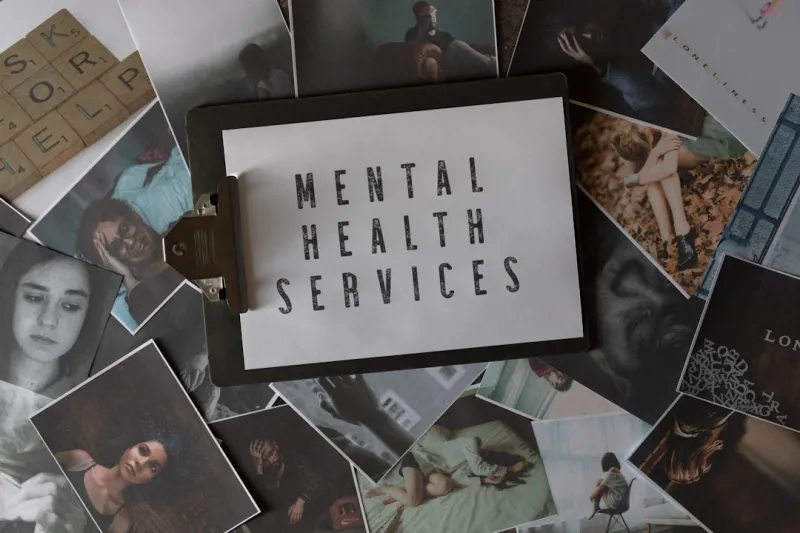
Why Mental Health Needs a Fresh Lens in 2026
When I first began journaling about anxiety in 2019, my language was limited to “stress” and “burnout,” but the pandemic taught me that the emotional ecosystem is far more intricate, intertwining sleep, nutrition, community, and the digital overload we all endure. Today, in 2026, I’m learning to treat my mind the way I would tend a garden—regularly watering curiosity, pruning negative self‑talk, and protecting the roots with boundaries that honor my humanity. This shift feels revolutionary because it reframes mental health not as a crisis to be managed, but as a lifelong practice of whole‑self wellness that invites creativity, resilience, and joy.
The Power of Community‑Driven Healing
One of the biggest revelations this year has been the healing potential of authentic community, where strangers become allies through shared vulnerability and intentional listening, turning isolation into a collective source of strength. I’ve found that weekly virtual circles, guided by compassionate facilitators, create a safe container for raw emotions, allowing us to witness each other's stories without judgment and to celebrate tiny victories together. When we co‑create these supportive ecosystems, the stigma that once silenced many begins to dissolve, and we discover that our shared humanity is the most potent antidote to loneliness.
Mindful Technology: Reclaiming Digital Space
Our relationship with screens has evolved from curiosity to dependence, and the constant ping of notifications now competes with our internal dialogue, often drowning out self‑reflection and amplifying anxiety. I’ve started implementing “digital sunsets,” a ritual where I power down all devices an hour before bed, allowing my nervous system to transition into a calmer state and my thoughts to settle naturally. This simple practice not only improves sleep quality but also creates mental real estate for meditation, reading, and the creative brainstorming that fuels my personal growth.
Sleep as the Foundation of Emotional Balance
Sleep is the silent architect of emotional regulation, and when it’s compromised, we experience heightened irritability, foggy cognition, and amplified stress responses that ripple through every aspect of our lives. In my own journey, I turned to a holistic approach that blends aromatherapy, gentle stretching, and a screen‑free wind‑down routine, and the results have been transformative—my mood stabilizes, my focus sharpens, and my anxiety recedes into the background. For readers seeking deeper insight, I recommend exploring Confronting Sleep Terrors in 2026, a guide that offers practical tools for reclaiming restorative rest.
Nutrition’s Quiet Influence on Mood
What we put on our plates does more than fuel our bodies; it directly communicates with the brain’s neurotransmitter pathways, shaping how we feel from the inside out. Incorporating omega‑3 rich foods, fermented probiotics, and color‑rich vegetables has helped me notice a steadier mood swing, reduced cravings, and an overall sense of mental clarity that feels almost like a subtle, internal reset. By honoring my body with nutrient‑dense meals, I’m also sending a message of self‑respect that reverberates through my confidence and emotional resilience.
Movement as a Mental Health Superpower
Physical activity isn’t merely a calorie‑burning exercise; it’s a potent neurochemical catalyst that releases endorphins, reduces cortisol, and enhances neuroplasticity, thereby fortifying the brain against chronic stress. I’ve shifted from a goal‑oriented gym mindset to a joy‑centered movement practice, weaving dance, yoga, and nature walks into my weekly schedule, which has turned exercise into a celebration rather than a chore. This mindful approach to movement fuels not only my muscles but also my optimism, creating a feedback loop where a happier mind chooses to stay active.
Integrating Holistic Brain Strategies
Beyond diet and movement, the brain itself thrives on targeted practices that sharpen focus, improve memory, and mitigate anxiety, such as breathwork, neurofeedback, and cognitive‑behavioral exercises. I recently delved into a comprehensive framework that aligns daily habits with brain‑health research, discovering that simple actions—like a five‑minute gratitude pause or a brief visualization before a stressful meeting—can rewire neural pathways for positivity. For a deeper dive into these techniques, check out Unlocking Brain Health in 2026, which outlines evidence‑based strategies for a sharper, calmer mind.
Embracing Emotional Literacy in Everyday Life
Developing emotional literacy is akin to learning a new language; it requires patience, practice, and a willingness to sit with discomfort while naming feelings accurately and compassionately. I’ve started a daily “emotion check‑in” where I label my internal state, explore its origin, and decide on a supportive action—whether that’s a breathing exercise, a conversation with a trusted friend, or a brief creative outlet. This habit not only defuses reactive patterns but also cultivates a sense of agency, allowing me to navigate challenges with curiosity rather than fear.
Looking Forward: A Vision of Collective Mental Wellness
As we move deeper into 2026, I envision a cultural shift where mental health is woven into the fabric of education, workplaces, and public policy, recognizing that thriving minds are essential for thriving societies. By championing transparent conversations, accessible resources, and community‑driven initiatives, we can dismantle the lingering shame that still shadows many mental health journeys. My hope is that each of us, armed with the tools and stories shared here, will become an ambassador of empathy, encouraging others to seek help, practice self‑care, and celebrate the beautiful complexity of the human psyche.

Jessica Hall is a dynamic freelance writer based in the vibrant city of London, Ontario. As a dedicated single mom, she expertly juggles the demands of parenthood with her passion for storytelling, crafting compelling narratives that resonate with readers. With a background in retail, Jessica brings a unique perspective to her writing, infusing her work with insights drawn from her experiences
Related Posts
Storytelling as a Mental Health Superpower
Learn how the simple act of reshaping personal narratives can rewire the brain, lower stress, and im... Read More
Virtual Horizons: How Immersive Tech Is Redefining Mental Wellness
Discover the emerging role of virtual reality in mental health, offering immersive experiences that ... Read More
Holistic Mental Health in a Hyperconnected World: Craig Brett’s Playbook
Craig Brett shares a practical, holistic roadmap for mental wellness, blending nutrition, sleep, exe... Read More
Top Posts

The Hidden Levers of Longevity: Purpose, Learning, and Community
Longevity isn’t just about supplements or tech—it’s built on purpose, lifelong learning, and purposeful social connections. This article outlines practica...Read More

Turning Your Health Insurance Into a Personal Wellness Engine
Discover a fresh perspective on health insurance that moves beyond emergency coverage. This guide shows you how to leverage preventive services, wellness stipen...Read More

Finding Balance: My 2026 Mental Health Blueprint
A personal 2026 mental health roadmap blends holistic practices, community support, and mindful tech use to foster lasting resilience and inner balance....Read More

Your Gut as a Cognitive Powerhouse: Unlocking Mental Edge Through Microbiome Mastery
A deep dive into the gut‑brain axis reveals how nurturing microbial diversity, seasonal liver support, and rhythmic mindfulness can turn your gut into a strat...Read More
0 Comments
Post Comment
You will need to Login or Register to comment on this post!