

Why Your Digestive Ecosystem Is the Silent Engine Behind Executive Edge
When you step into a boardroom, the spotlight is on strategy, data, and charisma. Yet, beneath the polished presentations lies a less obvious but powerful factor that can tip the scales: the community of trillions of microorganisms living in your gut. This ecosystem, often called the microbiome, shapes everything from decision‑making speed to emotional resilience. Understanding and nurturing it can turn ordinary performance into extraordinary execution.
The Science of a Balanced Microbial Landscape
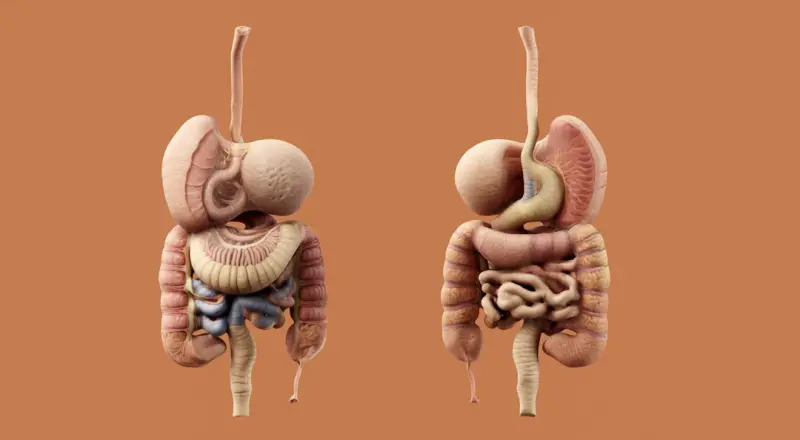
Every bite you take feeds a complex network of bacteria, fungi, and archaea. When this community is diverse and well‑fed, it produces metabolites—especially short‑chain fatty acids (SCFAs) such as butyrate, acetate, and propionate—that travel through the bloodstream to influence distant organs, including the brain. These metabolites act as signaling molecules, fine‑tuning neurotransmitter synthesis, hormone release, and even the integrity of the gut barrier.
Think of the gut as a bustling city. The streets are the intestinal lining, the citizens are the microbes, and the traffic lights are the signaling pathways. When the streets are clean and traffic flows smoothly, the city thrives. When congestion or pollution occurs, the whole system falters.
Gut‑Brain Communication: The Two‑Way Highway
Two primary routes connect the gut and the brain:
- The vagus nerve—the longest cranial nerve—acts like a telephone line, transmitting real‑time updates about nutrient status and stress signals.
- Microbial metabolites—especially SCFAs—cross the blood‑brain barrier and modulate the production of neurotransmitters such as serotonin, dopamine, and GABA.
Research shows that a well‑balanced microbiome can enhance mental agility, improve mood regulation, and reduce the perception of stress. For leaders who must pivot quickly and think clearly under pressure, this hidden communication channel can be a decisive advantage.
Strategic Nutrition Hacks for Microbial Mastery
Optimizing your digestive ecosystem doesn’t require a drastic overhaul; small, intentional changes can yield outsized benefits. Below are evidence‑based tactics that fit into a demanding schedule.
1. Prioritize Diverse Plant Fibers
Each fiber type feeds a different set of microbes. Aim for a rainbow of vegetables, legumes, whole grains, nuts, and seeds. A single serving of artichokes, a handful of lentils, and a side of quinoa can collectively nourish over a dozen beneficial strains.
2. Incorporate Fermented Powerhouses
Foods such as kefir, kimchi, sauerkraut, and unsweetened kombucha deliver live cultures directly to the gut. These “probiotic boosters” can temporarily augment microbial diversity, especially after a period of antibiotic use or travel‑induced disruption.
3. Embrace Polyphenol‑Rich Beverages
Green tea, coffee, and dark berry juices are loaded with polyphenols that act as prebiotic fibers. They reach the colon intact, where microbes break them down into bioactive compounds that further enhance SCFA production.
4. Time Your Meals to Support Rhythm
Our gut microbes follow a circadian pattern. Eating within a consistent window—say, an 8‑hour “eating phase”—helps synchronize microbial activity with the body’s internal clock, improving metabolic efficiency and sleep quality.
5. Limit Processed Sweeteners
Artificial sweeteners can cause an imbalance by feeding only a few opportunistic strains. Opt for natural sweetness from fruit or a modest drizzle of honey when needed.
Stress Management: Protecting the Gut Barrier
Chronic stress releases cortisol, which can compromise the intestinal lining, leading to increased permeability—often called “leaky gut.” This condition allows unwanted molecules to enter circulation, triggering inflammation that clouds cognition and erodes stamina.
Integrating brief mindfulness pauses, deep‑breathing exercises, or short nature walks can blunt the cortisol surge and preserve barrier integrity. Even a five‑minute box‑breathing session before a high‑stakes call can make a measurable difference.
Microbial Metrics: How to Track Progress
Unlike many performance variables, gut health offers tangible data points. Here are three practical ways to monitor your ecosystem:
- Stool analysis kits—modern at‑home services provide a breakdown of bacterial families, diversity scores, and functional capacity.
- Breath testing for hydrogen and methane—identifies carbohydrate malabsorption, allowing you to fine‑tune fiber sources.
- Daily symptom logs—tracking energy peaks, mood swings, and digestive comfort can reveal patterns linked to dietary tweaks.
Pair these metrics with a mental performance booster mindset: view each data point as feedback, not a judgment.
Building a Sustainable Gut‑First Routine
High‑performers often chase quick fixes, but lasting advantage comes from habit stacking—linking a new habit to an existing anchor. Below is a three‑step daily framework that aligns with a busy professional schedule.
Morning: Microbial Wake‑Up
Start with a glass of warm water infused with a pinch of sea salt and a splash of lemon. Follow with a fiber‑rich smoothie containing spinach, chia seeds, and a scoop of kefir. This combo jump‑starts SCFA production and hydrates the system.
Midday: Fermented Refuel
Swap the usual snack for a small portion of kimchi or a probiotic‑rich yogurt. Pair it with a handful of almonds to keep blood sugar stable without relying on refined carbs.
Evening: Rhythm Reset
Finish your last meal at least three hours before bedtime. Include a modest serving of cooked legumes or a bowl of lentil soup to provide a slow‑release fiber source that feeds microbes through the night.
Leveraging the Gut for Decision‑Making Edge
When the microbiome is balanced, the brain receives a steady stream of SCFAs and neurotransmitter precursors. This biochemical environment supports:
- Enhanced focus—by stabilizing dopamine pathways.
- Improved risk assessment—through modulation of serotonin that influences optimism vs. caution.
- Reduced decision fatigue—via GABA’s calming effect, preserving mental bandwidth for strategic thinking.
In practice, you may notice quicker synthesis of complex ideas, smoother negotiation flow, and a calmer response to unexpected setbacks—all hallmarks of a leader who can think several moves ahead.
Case Study: A Tech Executive’s 30‑Day Gut Reset
Jordan, a senior product director, reported frequent “brain fog” and sluggish afternoons despite a solid sleep schedule. After a gut‑focused assessment, he implemented the following:
- Added a daily fermented snack.
- Switched to a high‑fiber lunch bowl (quinoa, roasted chickpeas, mixed greens).
- Introduced a 5‑minute box‑breathing routine before each meeting.
- Tracked stool diversity with an at‑home kit.
Within three weeks, his diversity score rose by 12 %, he reported clearer focus during sprint planning, and his team noted a noticeable lift in collaborative energy. Jordan’s experience illustrates how a targeted gut strategy can translate into measurable leadership performance.
Integrating Gut Health Into Corporate Wellness
Organizations can embed gut‑centric practices into their wellness programs without massive expense:
- Offer fermented food options in cafeteria lines or vending machines.
- Host “Fiber Fridays” where teams share recipes rich in plant polysaccharides.
- Provide access to stool‑analysis kits as part of health assessments.
- Schedule brief mindfulness breaks to mitigate stress‑induced barrier disruption.
By championing gut health, companies not only boost employee well‑being but also cultivate sharper, more resilient teams.
Future Horizons: Personalized Microbial Solutions
Emerging technologies are moving toward bespoke microbial therapeutics—targeted probiotic blends, postbiotic supplements, and even phage‑based interventions tailored to an individual’s microbial fingerprint. While still in early stages, these advances promise to make gut optimization as precise as a tailored workout plan.
Until such solutions become mainstream, the fundamentals—diverse fibers, fermented foods, stress mitigation, and data‑driven tracking—remain the most reliable pathway to unlocking the digestive ecosystem’s competitive edge.
Take Action Today
Start small, stay consistent, and treat your gut as a strategic asset rather than a background process. The next time you prepare for a high‑stakes presentation, remember that the clarity you seek may be nurtured in the very core of your body.

Craig Brett is a freelancer with a passion for the outdoors. His love for nature inspires his work, bringing authentic and engaging perspectives to projects related to outdoor activities, adventure, and environmental topics.
Related Posts

Microbiome Hacks for High‑Performance Professionals
A resilient gut fuels focus, stamina, and stress resilience for busy professionals. Learn practical ... Read More

The Packaging Paradox: How Modern Wrappers Undermine Your Gut Health
Modern food packaging introduces chemicals that destabilize the gut microbiome, leading to inflammat... Read More
Why Your Gut Is the CEO of Your Decision‑Making
Jessica Hall explains the science behind the gut‑brain connection and shares actionable steps to h... Read More
Top Posts

Designing an Autoimmune‑Friendly Workplace: Strategies for Sustainable Success
A practical guide to creating an autoimmune‑first workplace, covering flexible hours, biofeedback integration, micro‑escapes, and proactive wellness program...Read More

Beyond the Cloud: Making Vaping Eco‑Friendly Without Sacrificing the Experience
I’ve swapped my daily disposable pods for a sustainable setup, and the shift has changed how I think about flavor, health, and the planet—here’s the roadm...Read More

The Alarming Rise of Insomnia: A Comprehensive Approach to Understanding and Managing Sleep Disorders
Insomnia affects millions worldwide, causing fatigue, decreased focus, and a lower quality of life. Learn how a comprehensive approach can help you understand a...Read More

The Ice‑Breaker: How Cold Exposure Supercharges Men’s Health
Cold exposure isn’t a trendy gimmick—it’s a proven, ancient method that can raise testosterone, improve metabolism, and sharpen mental focus. Learn a simp...Read More
0 Comments
Post Comment
You will need to Login or Register to comment on this post!