
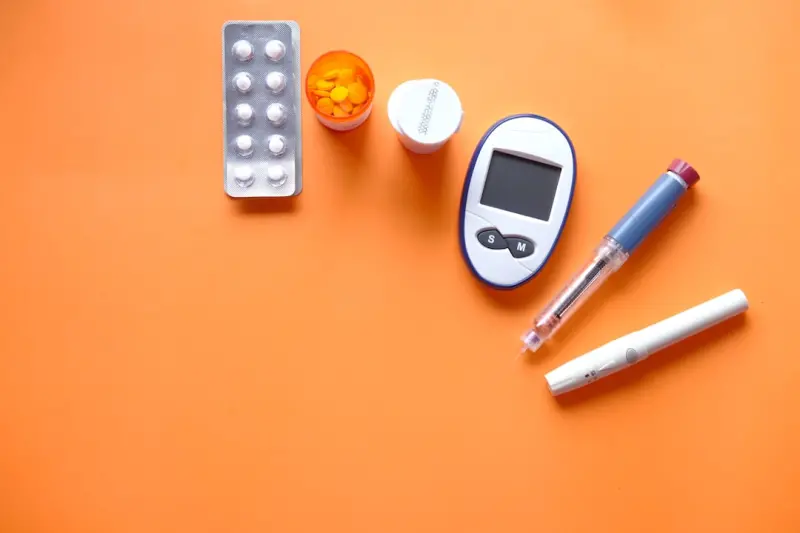
Why Blood Sugar Deserves a Tech‑First Approach
When I first started coding at 22, my biggest performance metric was latency. Today, the same obsession with real‑time data can be a lifesaver for our metabolic health. Glucose isn’t just a number on a lab report; it’s a dynamic signal that reflects how our bodies respond to food, stress, and the digital environment we inhabit. By treating blood sugar like a system‑level KPI, we can apply the same debugging mindset we use for software—monitor, hypothesize, test, and iterate.
The Hidden Feedback Loop Between Screens and Sugar Spikes
Most of us spend the bulk of our waking hours glued to a screen. The blue light, constant notifications, and even the posture we adopt while scrolling can trigger cortisol surges. Elevated cortisol, in turn, drives hepatic glucose production, nudging blood sugar upward even when we haven’t eaten. Recognizing this feedback loop is the first step toward breaking it.
Step 1: Capture High‑Resolution Glucose Data
Consumer‑grade continuous glucose monitors (CGMs) have dropped from niche medical devices to everyday wellness tools. The key is not just to wear one, but to set it up for high‑resolution data capture:
- Sampling Frequency: Aim for at least one reading per minute. This granularity reveals post‑meal spikes that would be invisible on a once‑daily finger stick.
- Context Tags: Most CGM apps let you add notes. Tag meals, workouts, meetings, and stress events. Over time you’ll build a searchable dataset.
- Data Export: Export the CSV and feed it into a personal analytics tool (Google Sheets, Airtable, or a Python notebook). The raw numbers become the raw material for insights.
Step 2: Map Your Digital Calendar to Glucose Trends
My own breakthrough came when I overlaid my Outlook calendar on glucose graphs. I noticed a pattern: every time I had back‑to‑back video calls, my glucose rose 15‑20 mg/dL within 30 minutes, even if I hadn’t eaten. The culprit? The sympathetic nervous system’s “fight‑or‑flight” response to multitasking.
To replicate this:
- Export your calendar as an .ics file.
- Use a simple script to convert event times into a binary “stress” column.
- Plot this alongside glucose data. Peaks that line up with dense meeting blocks are your signal.
Step 3: Refine Your Nutrient Timing Using Real‑World Experiments
Traditional nutrition advice often talks about “low‑glycemic” foods, but the real lever is when you consume them. With a CGM, you can run controlled experiments:
- Pick a “baseline” day with no major meetings. Eat a balanced breakfast (protein + fat + complex carbs) and log the glucose curve.
- On the next day, shift the same meal to a low‑stress window (e.g., after a walk). Compare the post‑prandial peak.
- Iterate by swapping macronutrient ratios. Document which combos flatten the curve.
These micro‑trials turn guesswork into data‑driven decisions.
Step 4: Leverage Workspace Design for Metabolic Stability
Physical surroundings can be engineered to reduce the cortisol‑glucose cascade. Simple tweaks—like standing desks, ambient temperature control, and natural light—lower overall stress. For a deeper dive on how your surroundings affect health, see optimizing your workspace for well‑being.
Step 5: Food Texture as a Glycemic Moderator
Beyond carbs and calories, the physical texture of food influences chewing time and satiety hormones. Crunchier foods tend to slow eating speed, giving insulin a more gradual release. If you’re curious about the science behind this, check out food texture hacks that can also keep glucose more level.
Step 6: Automate Alerts and Interventions
Most CGM platforms allow custom thresholds. Set an alert for a rise of >30 mg/dL within 15 minutes. When the alert fires, have a predefined action plan:
- Micro‑movement: Stand, stretch, or take a brief walk to activate muscle glucose uptake.
- Breathing reset: 4‑7‑8 breathing for one minute reduces sympathetic tone.
- Hydration cue: A glass of water can dilute circulating glucose and signal the kidneys to excrete excess.
Automation removes the need for mental overhead—your body gets the cue, your brain gets the data.
Step 7: Integrate with Wearable Activity Trackers
Pair your CGM with a heart‑rate monitor or a smartwatch that records steps and VO₂ max. Correlate spikes with low‑intensity periods. You’ll often find that a 10‑minute brisk walk after lunch can shave 15 mg/dL off the peak.
Step 8: Build a Personal “Glucose Dashboard”
Dashboards aren’t just for business metrics. Use tools like Grafana or Power BI to create a live view of:
- Current glucose level and trend arrow.
- Average post‑meal peak over the past week.
- Stress‑related spikes aligned with calendar events.
This visual feedback keeps you accountable and highlights patterns you might otherwise miss.
Step 9: Adopt a “Metabolic Micro‑Rest” Routine
Just as developers use Pomodoro timers to sustain focus, you can schedule 5‑minute metabolic micro‑rests. During these pauses, step away from the screen, practice deep breathing, and sip water. The brief interruption reduces cortisol build‑up, which translates to flatter glucose curves.
Step 10: Share Your Findings with a Community
Data is more powerful when it’s validated. Join a niche forum or a Slack channel dedicated to CGM users. Share anonymized graphs, ask for feedback on anomalies, and learn from others’ experiments. Collective intelligence accelerates personal optimization.
Conclusion: Turning Glucose Into a Competitive Advantage
Managing blood sugar isn’t a one‑size‑fits‑all diet plan; it’s a systems engineering challenge. By instrumenting your body, mapping digital stressors, and iterating on nutrition timing, you can transform glucose from a hidden risk into a visible performance metric. In a world where every millisecond counts, stable blood sugar becomes a silent accelerator for focus, stamina, and long‑term health.

Lifan Chen is a freelancer based in Toronto specializing in marketing. With expertise in crafting effective marketing strategies and campaigns, Lifan helps businesses grow their brand presence and reach target audiences. As a Toronto-based freelancer, Lifan combines local market insights with creative marketing skills to deliver tailored solutions for clients.
Related Posts
How Your Home’s Air and Light Shape Blood Sugar Balance
Explore the hidden influence of indoor air and light on blood sugar regulation, with actionable tips... Read More
Balancing Blood Sugar Naturally: A Personal Blueprint
Learn how to stabilize glucose naturally through mindful meal timing, smart food combos, stress redu... Read More

Time‑Smart Eating: How Meal Timing Supercharges Blood‑Sugar Stability
Learn why the timing of your meals matters more than you think. This guide walks you through chronon... Read More
Top Posts

Turning Autoimmune Chaos into a Personal Storybook
Learn to translate autoimmune signals into a personal narrative, using journals, creative expression, and supportive groups to navigate daily challenges and fin...Read More

The Gut-Brain Connection: Unlocking the Secrets to Optimal Gut Health
The gut-brain connection is a critical aspect of our overall health and wellbeing. Learn how to support optimal gut health through a holistic approach....Read More

Reframing Night‑Time Panic: A Data‑First Blueprint for Taming Sleep Terrors
A data‑first approach transforms sleep terrors from mysterious nightmares into measurable performance issues, using wearables, breath cues, nutrition, and nar...Read More

The Remote Work Paradox: When Home Offices Fuel Sleep Apnea
This post uncovers why home office setups often aggravate sleep apnea, offers data‑driven warning signs, and provides practical, tech‑enabled strategies for...Read More
0 Comments
Post Comment
You will need to Login or Register to comment on this post!