

Living with an Autoimmune Condition: My Day‑to‑Day Reality
Every morning I wake up wondering which part of my body will decide to rebel today, a feeling that has become both my compass and my curse. Autoimmune disease is not a single ailment but a chorus of misdirected immune responses that can target joints, skin, gut, or even the brain, and it forces me to listen closely to subtle signals—fatigue that feels like a fog, joint stiffness that mimics arthritis, and brain fog that turns simple tasks into puzzles. I’ve learned to treat each flare as a conversation with my body, asking what it needs, whether it’s rest, a change in diet, or a gentle stretch, and then honoring that answer before it escalates into a full‑blown crisis.
Why Holistic Care Isn’t Just a Trend, It’s a Lifeline
When I first heard the term “holistic,” I imagined crystal bowls and scented candles, but my experience quickly taught me that true holism is an evidence‑based, integrative approach that aligns mind, body, and environment. The holistic health trends shaping women’s wellness this year highlight personalized nutrition, stress‑reduction techniques, and functional lab testing—all tools that have helped me identify hidden triggers like gluten sensitivity or chronic adrenal fatigue that aggravate my autoimmune flare‑ups. By embracing a holistic mindset, I no longer view my condition as a static label but as a dynamic system that can be gently nudged toward balance with the right combination of lifestyle tweaks, targeted supplements, and mindful movement.
Nutrition as Medicine: Tailoring the Plate for Autoimmune Relief
Food has become my most powerful prescription, and I’ve spent countless hours mapping the relationship between what I eat and how my immune system behaves. Anti‑inflammatory foods—rich in omega‑3 fatty acids, vibrant antioxidants, and fermented probiotics—have consistently reduced my joint pain and cleared the mental fog that once made me feel disconnected from reality. I also practice an elimination diet, removing nightshades, dairy, and refined sugars for a month, then reintroducing them one by one to pinpoint sensitivities, a strategy inspired by the broader holistic nutrition community and reinforced by my own trial‑and‑error experiments.
Movement Matters: The Gentle Power of Physiotherapy
When my joints ache, the instinct is to stay still, but inactivity only fuels stiffness and deepens the inflammatory cascade. I turned to a physiotherapy revolution that emphasizes low‑impact, functional movements, breathing techniques, and neuromuscular re‑education, allowing me to rebuild strength without triggering flare‑ups. Simple practices like daily yoga flow, aquatic therapy, and guided mobility drills have become ritualistic, giving my immune system a steady stream of positive signals that it can interpret as “all is well,” thereby reducing the frequency of aggressive attacks.
Mind‑Body Strategies: Managing Stress to Calm the Immune System
Stress is the silent spark that can ignite an autoimmune flare, and I’ve discovered that calming the mind is as essential as any medication. Techniques such as mindfulness meditation, progressive muscle relaxation, and journaling help me monitor my cortisol levels, which, when elevated, can misguide immune cells into attacking healthy tissue. I schedule “brain breaks” throughout the day, using short guided meditations to reset my nervous system, and I’ve noticed a measurable decline in symptom severity when I maintain this disciplined mental hygiene.
Sleep: The Overlooked Healing Partner
Sleep is the restorative phase where my body performs critical immune regulation, yet my autoimmune condition often sabotages restful nights. Drawing from my own insomnia journey, I implemented a bedtime ritual that includes dim lighting, a warm magnesium‑rich bath, and a screen‑free zone at least an hour before bed, which has dramatically improved my sleep architecture. When I consistently achieve seven to eight hours of deep sleep, I experience fewer morning stiffness and a clearer mental state, reinforcing the idea that quality rest is a non‑negotiable pillar of autoimmune management.
Community and Advocacy: Finding Strength in Shared Stories
Living with an autoimmune disease can feel isolating, but connecting with others who share similar challenges creates a powerful support network that fuels resilience. Online forums, local meet‑ups, and patient advocacy groups provide a platform to exchange practical tips, emotional encouragement, and the latest research breakthroughs, turning solitary struggle into collective empowerment. By sharing my story publicly, I hope to demystify the condition for newcomers and inspire them to adopt a holistic approach that honors both science and personal experience.
Looking Ahead: A Holistic Vision for Autoimmune Care in 2025 and Beyond
The future of autoimmune treatment lies in personalized, integrative care that blends cutting‑edge biomedical research with time‑tested lifestyle strategies. Emerging fields such as microbiome modulation, epigenetic nutrition, and AI‑driven symptom tracking promise to refine our understanding of disease triggers and tailor interventions with unprecedented precision. As I continue my journey, I remain committed to experimenting responsibly, sharing insights, and advocating for a healthcare system that sees patients as whole beings rather than a collection of symptoms, ensuring that the next generation can thrive despite autoimmune challenges.

Tammy French is a Montessori Teaching Assistant and freelance writer passionate about education, creativity, and inspiring lifelong learning through engaging content.
Related Posts

Building Autoimmune‑Friendly Workplaces: Strategies for Sustainable Success
A practical guide for leaders to create flexible, supportive, and data‑informed workplaces that em... Read More

Taming Autoimmunity with Data, Community & Lifestyle
A data‑driven, community‑powered guide shows how everyday tweaks, wearable insights, and shared ... Read More

Autoimmune Resilience: Harnessing Wearable Data to Outsmart Flare-Ups
Learn how continuous biometric monitoring, smart biofeedback loops, and intentional environmental tw... Read More
Top Posts

The Hidden Power of Your Gut in Decision‑Making and Creativity
Discover a data‑driven gut‑health playbook that sharpens decision‑making, fuels creativity, and enhances mental stamina for busy professionals....Read More
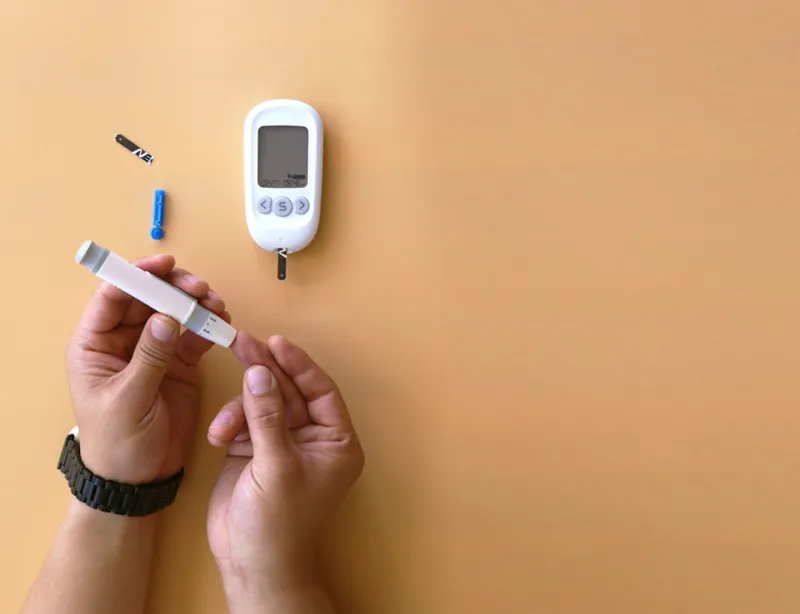
Balancing Blood Sugar Naturally: My Holistic Journey to Stable Glucose
A personal guide to stabilizing blood sugar using nutrition, exercise, and mindfulness—practical tips for lasting glucose balance....Read More

When the Night Stops Breathing: Turning Sleep Apnea Into a Competitive Edge
Sleep apnea can feel like a hidden saboteur, but by treating it as a performance metric—using data, optimizing your bedroom, and practicing specific breathing...Read More

When Nighttime Becomes a Battlefield: Decoding Sleep Terrors Through the Body’s Alarm System
Sleep terrors are the nervous system’s false alarms that hijack deep sleep. This article reveals how heart‑rate variability, breathwork, and somatic practic...Read More
0 Comments
Post Comment
You will need to Login or Register to comment on this post!