
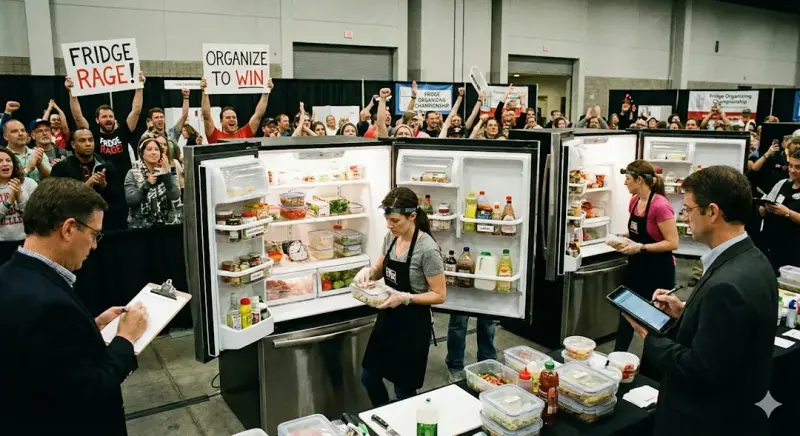
When I first walked into a sleek, glass‑walled office with a humming fridge humming louder than the copy machine, I expected the usual corporate buzz: deadlines, coffee runs, and the occasional birthday cake. What I didn’t expect was how that humming refrigerator could become a silent battleground, shaping the way colleagues relate to food, their bodies, and even their self‑worth.
Why the Office Fridge Is More Than a Snack Spot
In many workplaces, the communal fridge is a micro‑ecosystem of leftovers, protein bars, kale salads, and the occasional “cheat” slice of pizza. It’s a place where people show up with their nutrition choices, and, unintentionally, where judgments—both internal and external—can take root. The simple act of deciding what to bring for lunch can feel like a performance, especially when the office culture subtly (or overtly) glorifies thinness, productivity, and the “no‑excuses” mindset.
Research shows that environments saturated with diet talk, calorie counting apps, and visible weight loss stories can exacerbate existing vulnerabilities. When the office fridge becomes a display case for “clean eating,” it can amplify perfectionism, a core driver of many eating disorders. Conversely, if the fridge is a graveyard of sugary treats, it can fuel shame for those trying to break free from binge patterns.
From “Healthy” to Harmful: The Thin Line of Wellness Culture
Wellness initiatives are everywhere—standing desks, meditation rooms, and “mindful eating” workshops. While these programs have good intentions, they sometimes miss a crucial nuance: the difference between encouraging health and policing bodies. The language used in corporate wellness can inadvertently reinforce the idea that personal value is tied to weight or food choices.
Consider a typical wellness email:
“Remember, our health is our greatest asset. Choose foods that fuel your performance and keep those extra pounds at bay!”
On the surface, it’s motivational. Beneath it, however, lies an implicit message: weight is a metric of worth. For employees already grappling with body image concerns, such messages can trigger a spiral of restrictive eating, obsessive calorie tracking, or secret binge episodes.
How Hidden Pressures Manifest in the Workplace
- Social Comparison: Seeing a colleague’s salad every day can spark a “who’s eating better?” competition, leading to restrictive habits.
- Performance Anxiety: The belief that a lighter body equals higher productivity can push employees toward dangerous dieting.
- Stigma Around Eating Issues: Many companies lack policies that protect those with eating disorders, making it hard to seek accommodations.
- Unspoken Rules: “Don’t bring donuts” might sound like a health tip, but it can also signal judgment toward those who struggle with cravings.
These pressures often operate under the radar, making them harder to address than overt discrimination.
Listening to the Body’s Quiet Signals
One of the most powerful tools in combating workplace‑fuelled disordered eating is learning to listen to the body’s internal cues rather than external expectations. This is where the concept of turning sleep terrors into insightful allies becomes relevant. Just as nightmares can reveal subconscious stressors, our hunger and fullness signals can surface the hidden anxieties tied to work culture.
When you notice a sudden urge to skip lunch because you’re “too busy,” or a compulsion to binge after a stressful meeting, pause and ask:
- What emotion am I trying to manage?
- Is this a physical need or a coping strategy?
- What would a compassionate version of myself do?
These questions shift the focus from external judgment to internal understanding, a cornerstone of recovery and sustainable health.
Practical Steps for Individuals
Below are actionable strategies you can implement today, whether you’re navigating an eating disorder yourself or simply aiming to foster a healthier relationship with food at work.
- Set Personal Boundaries: Politely decline food‑related conversations that make you uncomfortable. Example: “I’m focusing on listening to my body right now, thanks.”
- Plan Flexible Meals: Prepare meals that can be adjusted—add protein if you’re hungry, or swap a side if you’re not.
- Use Mindful Pauses: Before eating, take three deep breaths and check in with hunger levels (0–10 scale).
- Find an Ally: Identify a trusted coworker or HR representative who respects confidentiality and can support you.
- Leverage Professional Resources: Many employee assistance programs (EAPs) cover therapy for eating disorders—don’t hesitate to use them.
Creating a Supportive Workplace Culture
While individual strategies matter, lasting change requires systemic shifts. Leaders, HR teams, and wellness coordinators can adopt the following practices to make the office a safe space for all bodies.
Reframe Wellness Messaging
Move away from weight‑centric language. Instead of “lose those extra pounds,” focus on “boost energy,” “enhance focus,” or “support mental clarity.” This subtle change reduces the implicit pressure to be thin.
Offer Diverse Food Options
Ensure the cafeteria and snack stations provide a range of choices—protein‑rich, carbohydrate‑balanced, and indulgent treats—without labeling any as “good” or “bad.” Encourage employees to bring foods they enjoy, not just “healthy” items.
Normalize Conversations About Eating Disorders
Host educational webinars that explain the signs of disordered eating, the difference between occasional overeating and a clinical disorder, and where to find help. When the topic is no longer taboo, employees feel safer seeking support.
Implement Flexible Break Policies
Allow employees to step away for meals without fearing judgment or missed work. A simple “take a 30‑minute lunch break” policy can alleviate the pressure to eat at your desk while scrolling through emails.
Provide Confidential Access to Care
Partner with mental health providers who specialize in eating disorders. Ensure that referrals are discreet and that insurance coverage (or EAP) includes appropriate treatment options.
Encourage Body‑Positive Leadership
When managers share their own struggles with body image—appropriately and authentically—it sets a tone of vulnerability and acceptance. This can dismantle the myth that “leaders must have it all together.”
Connecting the Dots: Gut Health, Stress, and Eating Behaviors
It might seem tangential, but there’s a growing body of evidence linking gut health to mood and eating patterns. Disruptions in the microbiome can amplify anxiety, cravings, and even depressive symptoms—factors that often co‑occur with eating disorders. Exploring this connection can open new avenues for holistic recovery.
For a deep dive into how to cultivate a balanced gut ecosystem, check out Designing Your Gut Landscape. Understanding your gut can empower you to make choices that support both physical and mental well‑being.
Stories From the Front Lines
I’ve heard from countless professionals who described the office fridge as a “mirror” reflecting their inner battles. One colleague, a senior analyst, told me she would hide her lunch in a drawer to avoid judgment about her portion sizes. Another, a junior designer, confessed that after a high‑pressure presentation, she’d binge on cookies from the break room—an act she felt too ashamed to discuss.
These anecdotes underscore a simple truth: eating disorders thrive in secrecy. By fostering open, compassionate dialogue, we can transform the fridge from a silent judge into a neutral zone where food is simply fuel, not a measure of worth.
From Survival to Thriving: A Vision for the Future
Imagine walking into a workplace where the fridge is stocked with a spectrum of foods, conversations about health are framed around energy and joy, and employees feel safe to seek help without fear of stigma. In that environment, eating disorders would be met with rapid, empathetic response rather than denial or shame.
Achieving this vision starts with each of us—whether you’re a CEO, a manager, or an individual contributor—making intentional choices about language, policies, and daily interactions. It’s not about “fixing” a single person’s relationship with food; it’s about reshaping the culture that influences it.
Take the First Step Today
Pick one of the suggestions above and put it into practice this week. Maybe it’s drafting a more inclusive wellness email, or simply sharing a coffee break with a colleague to discuss how workplace stress feels for both of you. Small actions ripple outward, creating a more compassionate ecosystem for everyone.
Remember: the journey from a hostile food environment to a supportive one isn’t a sprint—it’s a marathon. But with each mindful step, we move closer to workplaces where every body is respected, nourished, and free to thrive.

Brandy Miller is a dynamic freelance writer based in the vibrant city of Cambridge, Ontario. With a passion for storytelling that knows no bounds, she crafts compelling narratives that captivate and inspire. Brandy’s love for writing shines through in her versatile work, whether she’s penning thought-provoking articles or engaging content that resonates with readers. Her unique perspective and friendly tone make her a sought-after voice in the writing community. When she’s not weaving words together, you can find her exploring the beautiful landscapes of Ontario, always seeking new adventures and inspiration for her next piece. Brandy is not just a writer; she’s a creative force, making her mark one word at a time.
Related Posts

When the Quiet Crises Speak: Uncovering Hidden Triggers of Eating Disorders
A deep dive into the unseen micro‑social scripts, time pressures, and environmental cues that perp... Read More

Eating Disorders: A Holistic Journey from Silence to Self‑Compassion
Tom Ferguson shares his transformative, whole‑self journey tackling eating disorders—blending mi... Read More

Rewriting the Story: How Narrative Journaling Fuels Eating Disorder Recovery
A personal guide to using narrative journaling as a powerful ally in eating disorder recovery, turni... Read More
Top Posts

Untangling Sleep Terrors: A Personal Blueprint for Calm Nights
Becky Putman shares her journey through sleep terrors, offering actionable strategies—from breathing techniques and nutrition to creative reframing—to help ...Read More

Beyond the Cuff: Unconventional Levers to Tame Your Blood Pressure
A holistic guide reveals how tiny daily tweaks, mindful tech use, temperature therapy, and social support can reshape blood pressure, offering sustainable, drug...Read More

Designing Adaptive Workspaces: Lessons from Narcolepsy for Inclusive Innovation
Living with narcolepsy revealed hidden design levers—light, sound, and micro‑breaks—that can transform any workplace. This post outlines an Adaptive Works...Read More
Recharging Empathy: Turning Compassion Fatigue into Sustainable Strength
Learn how to identify early signs of compassion fatigue and use micro‑replenishment, strategic boundaries, purpose alignment, neuro‑fitness, and gut‑brain...Read More
0 Comments
Post Comment
You will need to Login or Register to comment on this post!