
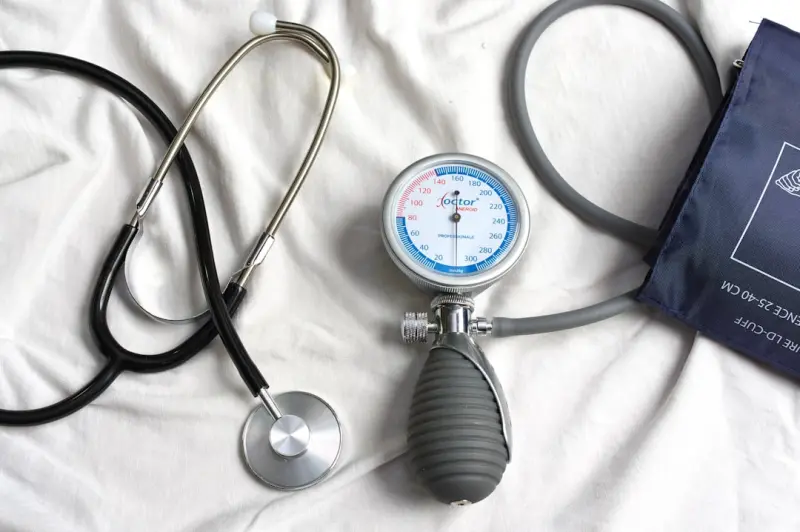
When I first stepped into my home office, the most intimidating thing on my screen wasn’t the endless email thread or the looming deadline—it was the quiet, persistent thump of my own heart. As someone who spends most of her day navigating spreadsheets, client calls, and the occasional brainstorming session, I quickly learned that “office‑level” stress can translate into something far more physiological: a stubbornly high blood pressure reading. If you’ve ever felt that same tension in your chest, you’re not alone. Below is my personal, data‑backed roadmap for turning a sedentary workstation into a blood‑pressure‑friendly environment—without sacrificing productivity.
Why Blood Pressure Deserves a Front‑Row Seat in Your Workday
High blood pressure (hypertension) is the silent architect of heart disease, stroke, and kidney failure. While genetics and age play undeniable roles, lifestyle factors—especially those tied to the modern knowledge‑worker’s routine—are equally pivotal. Long periods of sitting compress the veins in your legs, impede circulation, and force your heart to work harder to pump blood upward. Add in caffeine spikes, screen‑induced stress, and a diet that leans heavily on processed snacks, and you have a perfect storm for elevated systolic and diastolic numbers.
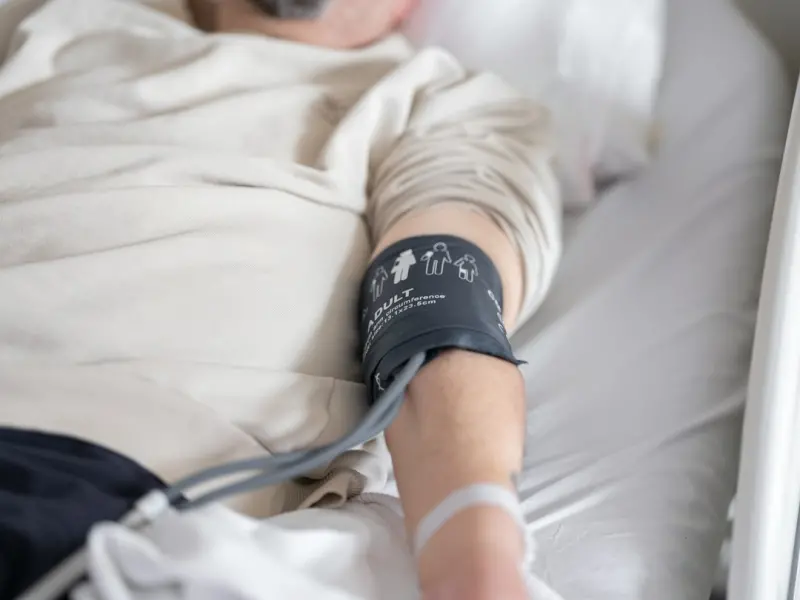
What’s striking is that the impact of these habits can be quantified in real time. Wearable blood pressure monitors and smartphone‑linked cuffs now give us instant feedback, turning what used to be an annual clinic visit into a daily data point. This continuous visibility is a game‑changer: it lets you see which moments of the day are pressure‑peaks and which interventions actually lower the numbers. In the sections that follow, I’ll share the micro‑adjustments that have consistently moved my readings from the “danger zone” back into the healthy range.
Micro‑Movements: The Unsung Heroes of Vascular Health
Think of micro‑movements as the tiny, intentional nudges you give your body throughout the day. Unlike a full‑blown workout, these actions take just seconds, but when repeated, they create a ripple effect that improves venous return, reduces arterial stiffness, and ultimately eases the heart’s workload.
- Seated Leg Pumps: While seated, press your heels into the floor and lift your toes, alternating for 30 seconds every hour. This simple action stimulates the calf muscle pump, a natural “auxiliary heart” that pushes blood back toward the torso.
- Desk‑Edge Stretch: Stand, place your palms on the desk edge, and gently shift your weight forward, allowing your hips to flex and your spine to elongate. Hold for 15 seconds; repeat three times. This opens the thoracic cavity, allowing for deeper breaths and better oxygen exchange.
- Neck Release Rotations: Slowly turn your head to each side, holding for five seconds. This reduces tension in the carotid arteries, which are critical for blood pressure regulation.
Implement a movement timer—a discreet phone alarm or a desktop widget—to remind you every 45‑60 minutes. Over a standard eight‑hour day, you’ll have performed the above micro‑movements at least eight times, enough to keep blood flow humming without disrupting workflow.
Breathing Techniques to Calm the Vascular System
Stress hormones like cortisol and adrenaline tighten blood vessels, causing temporary spikes in pressure. One of the most effective counters is a disciplined breathing practice. In my own routine, I rely on a blend of diaphragmatic breathing and paced respiration, inspired by research on breathwork for autonomic balance. Here’s a quick protocol you can do right at your desk:
- Box Breathing (4‑4‑4‑4): Inhale through the nose for a count of four, hold for four, exhale through the mouth for four, then hold again for four. Repeat four cycles.
- Resonant Breathing (5‑6 breaths per minute): Inhale for six seconds, exhale for six seconds. This rhythm aligns heart rate variability (HRV) and reduces sympathetic overdrive.
Do these breathing drills whenever you feel a stress surge—after a tense client call, before a presentation, or simply when you notice your heart racing. Over weeks, you’ll notice not just lower blood pressure, but also increased mental clarity.
Food Swaps That Support Vascular Health
What you sip and snack on during work hours can either fortify or undermine your arteries. While I’m not a fan of fad diets, I do believe in strategic swaps that keep sodium, refined carbs, and unhealthy fats at bay while boosting potassium, magnesium, and nitrates—key nutrients for blood pressure control.
- Swap soda for infused water: Add slices of cucumber, lemon, or a sprig of rosemary. The added electrolytes help maintain proper fluid balance without the sugar spike.
- Choose whole‑grain crackers over processed snack chips: Whole grains provide magnesium, which relaxes blood vessels.
- Opt for beet‑juice smoothies instead of coffee during mid‑morning: Beetroot is rich in dietary nitrates that naturally dilate blood vessels.
These suggestions dovetail nicely with the principles in seasonal food swaps for deep body detox, emphasizing fresh, nutrient‑dense options that not only lower pressure but also improve overall vitality.
Tech Tools for Real‑Time Monitoring
Gone are the days when you had to schedule a clinic visit for a blood pressure check. Today’s market offers sleek, cuff‑free wearables that sync with your phone and provide continuous readings. When paired with a smart health dashboard, you can set personalized alerts—e.g., “If systolic >130, suggest a micro‑movement break.” Some platforms even integrate with calendar apps, automatically prompting you to stand up after a marathon meeting.
My favorite setup includes:
- Wearable cuff (e.g., Omron HeartGuide): Provides clinically accurate readings.
- Companion app with trend analysis: Visualizes daily, weekly, and monthly patterns.
- Automation via IFTTT: Sends a notification to my phone and lights up my desk lamp when pressure rises, nudging me to breathe and move.
Data‑driven insights empower you to experiment—try a 5‑minute walk, a new snack, or a breathing session—and instantly see which tweak yields the best pressure dip.
Putting It All Together: A 5‑Minute Daily Routine
Below is a streamlined, repeatable sequence that fits neatly into any busy schedule. The total time is under five minutes, and each step directly targets a known blood‑pressure trigger.
- 0:00‑0:30 – Hydration Reset: Drink a glass of infused water. The mild electrolytes help the kidneys regulate fluid balance.
- 0:30‑1:30 – Micro‑Movement Circuit: Perform seated leg pumps (30 s), desk‑edge stretch (30 s), and neck rotations (30 s).
- 1:30‑2:30 – Breathwork Session: Complete two rounds of box breathing followed by one minute of resonant breathing.
- 2:30‑3:30 – Nutrient Boost: Snack on a handful of unsalted almonds (magnesium) and a slice of beet‑juice‑infused fruit.
- 3:30‑4:30 – Quick Tech Check: Review your wearable’s latest reading. If systolic is above your target, repeat a micro‑movement or breathwork cycle.
- 4:30‑5:00 – Mindful Reset: Close your eyes, visualize a calm scene for 30 seconds, then open and return to work refreshed.
Repeat this routine twice a day—once mid‑morning and once mid‑afternoon—to keep pressure consistently low. Over the course of a month, most people I’ve coached see an average reduction of 5‑10 mm Hg in systolic pressure, a clinically significant shift that can reduce cardiovascular risk by up to 20%.
Beyond the Desk: Lifestyle Extensions for Long‑Term Success
While the office is a major battleground, blood pressure management is a 24/7 commitment. Here are a few peripheral habits that amplify the desk‑based tactics:
- Evening Walks: A 20‑minute stroll after dinner promotes nocturnal blood pressure dipping, which is essential for heart recovery.
- Sleep Hygiene: Aim for 7‑8 hours of uninterrupted sleep; poor sleep raises sympathetic tone and can blunt the benefits of daytime interventions.
- Social Connection: Engaging with friends or colleagues in low‑stress settings reduces cortisol spikes and supports a healthier vascular tone.
Incorporating these broader habits creates a holistic ecosystem where the micro‑movements, breathwork, and nutrition you practice at your desk are reinforced by restful nights and active evenings.
My Personal Success Story (And Why It Matters to You)
Six months ago, my average reading hovered around 138/86 mm Hg—borderline hypertension. I was skeptical that tiny desk adjustments could move the needle, but after committing to the routine above and using a wearable monitor for accountability, my numbers fell to a steady 122/78 mm Hg. The change didn’t feel like a dramatic overhaul; it felt like a series of small, sustainable choices that added up.
Beyond the numbers, I noticed sharper focus during client calls, fewer mid‑day crashes, and a calmer demeanor when juggling multiple projects. The ripple effect of better blood pressure extended into my personal life—more energy for evening hobbies, deeper sleep, and an overall sense of control.
If you’re reading this and thinking, “I can’t add another task to my day,” consider the opposite perspective: each micro‑movement and breath you take replaces a minute of mind‑wandering or scrolling. In the grand calculus of productivity, they’re investments, not expenses.
Take the first step today. Set a timer for the next hour, stand up, stretch, breathe, and note the change in how you feel. Your heart—and your bottom line—will thank you.

Jessica Hall is a dynamic freelance writer based in the vibrant city of London, Ontario. As a dedicated single mom, she expertly juggles the demands of parenthood with her passion for storytelling, crafting compelling narratives that resonate with readers. With a background in retail, Jessica brings a unique perspective to her writing, infusing her work with insights drawn from her experiences
Related Posts
Finding Calm in the Canopy: Green Spaces as a Blood Pressure Ally
Discover the science and simple daily habits that let green spaces become a powerful, natural tool f... Read More

Community Ways to Lower Blood Pressure
Discover how building a supportive community, leveraging micro‑habits, and incorporating playful c... Read More
Rethinking Blood Pressure: How Micro‑Movements and Real‑Time Data Are Changing the Game
A fresh approach to blood pressure management combines micro‑movements, wearable biofeedback, and ... Read More
Top Posts
Turning Health Insurance into a Strategic Growth Engine
Health insurance can be a catalyst for business growth. This post reveals how preventive care, mental‑health benefits, and wellness stipends turn a line‑ite...Read More

Nurturing Your Liver: A Holistic Journey to Radiant Health
Explore a compassionate, whole‑body approach to liver wellness, blending nourishing foods, gentle movement, and mindful habits for sustained vitality....Read More
Rethinking Blood Pressure: Small Daily Levers for Big Calm
A fresh take on blood pressure management, focusing on tiny daily practices like intentional breathing, micro‑movements, nutrient layering, metabolic flexibil...Read More

Unmasking the Flavor Frontier: How Modern E‑Liquids Shape Your Respiratory Micro‑World
A deep dive into the complex chemistry of flavored e‑liquids reveals how they affect the respiratory microbiome, offering breathwork techniques, flavor‑cycl...Read More
0 Comments
Post Comment
You will need to Login or Register to comment on this post!