
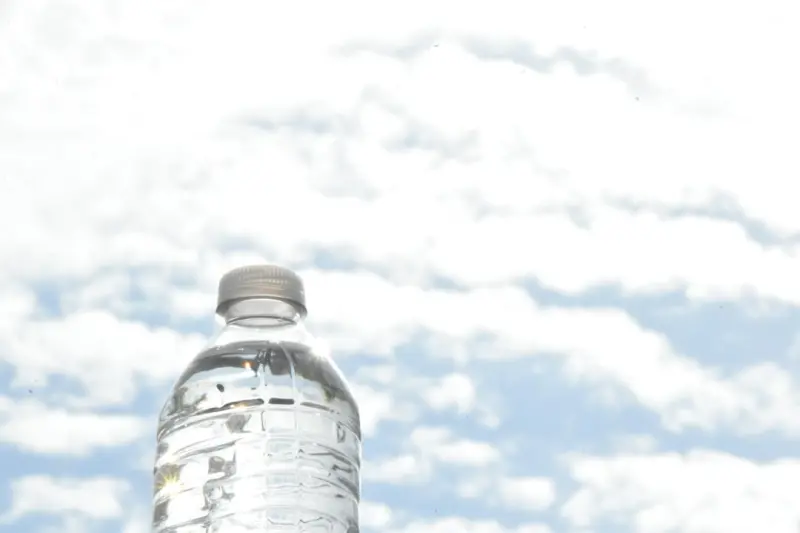
Why Staying Hydrated Is Your Secret Weapon for Peak Mental Performance
When I first stepped into a high‑stakes boardroom, my mind felt razor‑sharp, my ideas were flowing, and I could hear every nuance of the conversation. Ten minutes later, after a marathon of PowerPoint slides, endless questions, and a couple of stale conference‑room coffees, I was reaching for the water cooler—not just out of habit, but because my brain was screaming for a refill. That moment was the catalyst for my deep‑dive into hydration science, and today I’m convinced that the simple act of drinking enough water is the most under‑leveraged performance hack for professionals.
The Science Behind the Sip
Our bodies are about 60% water, and the brain is roughly 75% water. Even a modest drop in hydration—just 1‑2% of total body water—can impair cognition, mood, and reaction time. Researchers have documented that dehydration can slow information processing by up to 30% and increase perceived effort during mental tasks. In other words, the more dehydrated you are, the harder it feels to think clearly.
What’s fascinating is that the brain’s sensitivity to water loss isn’t linear. A small dip can feel negligible, yet it triggers a cascade of neurochemical changes. The brain releases hormones like vasopressin to conserve fluid, which in turn can affect sleep quality, stress response, and even appetite. This interconnectedness explains why many of us experience “brain fog” after a long meeting, a mid‑afternoon slump, or a night of poor sleep.
Hydration vs. Coffee: Debunking the Myth
Most of us reach for caffeine as a quick fix, assuming it can replace water. While caffeine does boost alertness, it is also a mild diuretic, meaning it can increase fluid loss. If you’re sipping espresso without replenishing with water, you’re essentially trading one problem for another—temporary alertness followed by deeper dehydration.
Instead of viewing coffee as a substitute, think of it as a complement. Pair every cup of coffee with a glass of water. This simple pairing can maintain hydration levels while still delivering the cognitive lift you crave.
The Hidden Costs of “Passive” Dehydration in the Office
Office environments are notorious for subtle dehydration triggers:
- Air Conditioning: Low humidity pulls moisture from the skin and respiratory tract.
- Meeting Marathon: When you’re focused on the agenda, you often forget to sip.
- Stagnant Water Sources: Stale water coolers or filtered pitchers can discourage regular drinking.
- Screen Time: Staring at a screen reduces our natural urge to swallow, making us less aware of thirst.
These factors combine to create a silent productivity drain. A sleep deficit trap can be exacerbated by dehydration, as the brain struggles to consolidate memories and regulate mood without adequate fluid levels.
Beyond the Brain: Hydration and Physical Resilience
While the mental benefits often steal the spotlight, physical health is equally dependent on water. Proper hydration lubricates joints, supports muscle function, and helps regulate body temperature—critical for those who transition between desk work and brief bursts of activity, such as standing meetings or quick walks.
Even a small drop in blood volume can increase heart rate and make simple tasks feel more taxing. Over time, chronic under‑hydration can contribute to headaches, digestive issues, and reduced immune function. In a high‑performance environment, these seemingly minor ailments can snowball into significant downtime.
Practical Hydration Strategies for Busy Professionals
Implementing a hydration routine doesn’t have to be a disruptive overhaul. Below are evidence‑backed tactics you can adopt today:
- Start Your Day with a Liters‑Worth of Water: Aim for 250‑300 ml (about one cup) of water within the first 30 minutes of waking. This jumpstarts cellular functions after the overnight fast.
- Set Micro‑Goals: Use a reusable bottle with volume markers (e.g., 250 ml increments). Commit to finishing each segment before a specific task, like before checking emails or after a meeting.
- Leverage Technology: Install hydration reminder apps or set calendar alerts. Some smart water bottles glow when it’s time to drink.
- Infuse for Flavor: Add slices of citrus, cucumber, or fresh herbs. This can make water more appealing without adding sugars.
- Pair with Meals: Drink a glass of water before each meal. This not only aids digestion but also ensures a consistent intake throughout the day.
- Track Intake: Keep a simple log in a notebook or note‑taking app. Seeing the numbers can reinforce the habit.
Remember, the goal isn’t to force massive quantities of water in one sitting, but to create a steady flow that matches your body’s needs.
Hydration and the Gut: An Unexpected Synergy
Water is a key player in gut health, influencing everything from nutrient absorption to microbiome balance. A well‑hydrated gastrointestinal tract moves waste efficiently, reducing the risk of constipation and supporting a healthy microbial ecosystem.
When the gut functions optimally, it produces short‑chain fatty acids that have anti‑inflammatory properties and can improve mood. This is why many top performers prioritize gut health as a competitive edge. For a deeper dive into leveraging the gut for professional advantage, explore gut health as a strategic edge for leaders.
Hydration Myths That Still Persuade Us
Let’s bust a few common misconceptions that often keep us from drinking enough:
- “I’m not thirsty, so I’m fine.” Thirst is a delayed signal. By the time you feel thirsty, you’re already mildly dehydrated.
- “Only athletes need to worry about hydration.” Every cell in the body depends on water, regardless of physical activity level.
- “I can get all the water I need from food.” While fruits and vegetables contribute, they typically cover only 20‑30% of daily fluid needs.
- “I can’t drink water before bed; it will disrupt sleep.” A moderate amount (a small glass) can actually support nighttime hydration and reduce the likelihood of waking up thirsty.
Designing a Hydration‑Friendly Workspace
Just as we consider ergonomics for posture, we should also design our environments to encourage water intake:
- Visible Water Stations: Place dispensers at eye level and near high‑traffic zones.
- Dedicated Bottle Shelves: Offer a spot on each desk for a water bottle, reducing the friction of finding a place to set it down.
- Smart Fridges: Some offices install fridges stocked with infused water, making it a refreshing alternative to plain tap.
- Visual Cues: Use signage or digital displays that remind teams to hydrate during long meetings.
When the workplace culture normalizes regular sipping, it becomes a collective habit rather than an individual responsibility.
The Role of Electrolytes: When Water Alone Isn’t Enough
For most office workers, plain water suffices. However, if you’re engaging in intense physical activity, sweating heavily, or following a low‑carb diet, you may need to replenish electrolytes—especially sodium, potassium, magnesium, and calcium.
Low‑cost options include adding a pinch of sea salt to your water or sipping on natural coconut water. Be cautious with commercial sports drinks; many contain added sugars that can counteract the benefits of hydration.
Tracking Hydration: The Data‑Driven Approach
If you love metrics, treat hydration like any other performance KPI. Here’s a simple framework:
- Baseline: Record your average daily intake for a week.
- Target: Set a realistic increase—perhaps 500 ml more per day.
- Measure: Use a water bottle with volume markings or a mobile app to log each sip.
- Analyze: At the end of the week, assess changes in focus, energy levels, and any physical symptoms.
This iterative loop mirrors the way we improve other work processes: hypothesize, test, measure, and refine.
Integrating Hydration Into Your Daily Rhythm
Think of hydration as a series of micro‑breaks. Just as you might schedule a 5‑minute stretch or a breathing exercise, slot in a “water break” every hour. It doesn’t have to be a long pause—simply lift your bottle, take a sip, and return to your task. Over an 8‑hour day, those small sips add up to a significant fluid intake.
Pair your water break with a quick posture reset: stand, roll shoulders, and breathe deeply. This combination maximizes both mental and physical benefits.
Conclusion: Sip Your Way to Sustainable Success
Hydration is a low‑cost, high‑return investment in your professional arsenal. By honoring the body’s fundamental need for water, you safeguard cognitive clarity, emotional stability, and physical resilience. The next time you reach for a coffee or a sugary snack, consider reaching for a glass of water first. Your brain—and your bottom line—will thank you.
Ready to make hydration a non‑negotiable part of your workday? Start small, stay consistent, and watch your performance elevate—one sip at a time.

Related Posts

Light, Space, and Health: Boosting Workplace Well‑Being
Explore the science behind ambient light and spatial layout, and learn practical bio‑hacks to tran... Read More

Silencing the Noise: How Ambient Sound Becomes Your Secret Weapon for Healthier Workdays
A deep dive into the science of ambient sound, showing how low‑level, consistent audio can calm th... Read More

Digital Therapeutics: How Apps and AI Are Transforming Personal Health
A deep dive into digital therapeutics reveals how AI‑powered apps, wearables, and insurance partne... Read More
Top Posts

Nourish Your Brain: Seasonal, Gut‑Friendly Strategies for Creative Energy
Learn how to feed your gut, align meals with your circadian rhythm, and revitalize heritage recipes to fuel mental clarity and creative energy—all with practi...Read More

Rethinking Women’s Stress Resilience: Small Shifts, Big Impact
A fresh look at women’s stress resilience reveals how tiny daily habits—micro‑movement, nutrient swaps, digital tracking, and community support—can rewi...Read More
Designing a Personal Vaping Ritual: Mindful Flavor Exploration and Breath Control
Learn to transform vaping from habit to mindful ritual, using flavor, breath patterns, and supportive micro‑habits to boost wellness and control nicotine....Read More
Your Cycle, Your Power: Aligning Menstruation with Modern Life
Discover practical ways to align your menstrual cycle with daily habits, from workouts to nutrition, turning hormonal fluctuations into a personal performance a...Read More
0 Comments
Post Comment
You will need to Login or Register to comment on this post!